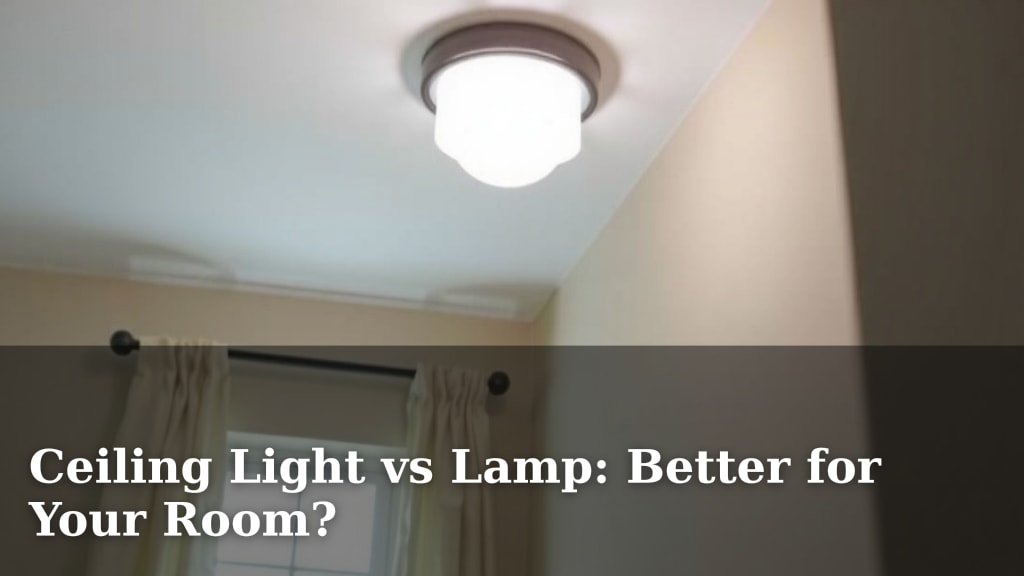
Ceiling Light vs Lamp: Better for Your Room?
When deciding between a ceiling light and a lamp for your room, there’s no single “better” option. The best choice depends on your specific needs, such as the amount of light you need and the style you want to achieve. Ceiling lights provide broad overhead illumination, while lamps offer targeted light and add decorative flair.
We often think of overhead lighting as the primary light source, but lamps play a vital role in creating a balanced lighting scheme. Understanding the strengths of each can help you avoid common lighting mistakes and make your space feel more comfortable and functional. Many homeowners find a combination of both is ideal for different areas and times of day.
- Ceiling lights offer general, overhead light.
- Lamps provide focused light and decor.
- The best choice depends on your room’s needs.
- Many rooms benefit from both types of lighting.
Let’s break down the pros and cons of each so you can make the perfect lighting decision for your home.
Ceiling Lights vs. Lamps: Which Illuminates Your Room Better?
Choosing between ceiling lights and lamps might seem simple, but it greatly affects your room’s ambiance. Understanding their roles helps you create the perfect lighting. Ceiling lights cast a wide glow. Lamps provide focused light where you need it. Many spaces benefit from a thoughtful mix of both.
Understanding Ceiling Lights: The Overhead Illumination
Ceiling lights are your room’s main light source. They hang from or are mounted directly on the ceiling. Their primary job is to provide general, ambient light. Think of them as the sun for your room. They aim to illuminate the entire space evenly. This is essential for everyday activities.
Types of Ceiling Lights
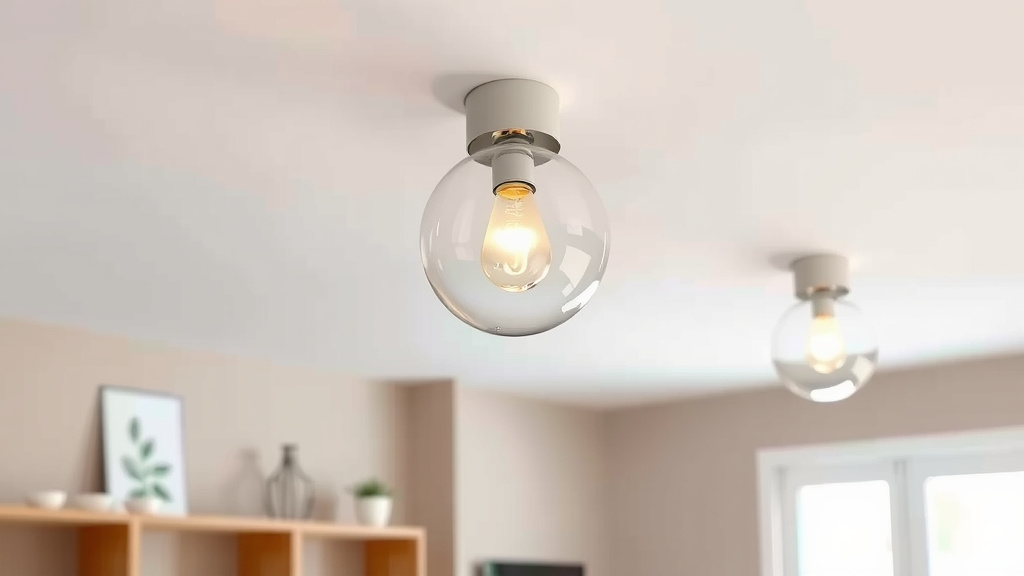
You’ll find many styles. Flush mounts sit directly on the ceiling. They are great for rooms with low ceilings. Chandeliers and pendant lights hang down. They add a decorative touch. Track lighting offers flexibility. You can direct multiple lights where needed. Recessed lighting, or can lights, are built into the ceiling. They offer a clean, modern look.
Pros of Ceiling Lights
- Excellent for general illumination: They light up the entire room.
- Space-saving: They don’t take up floor or table space.
- Safety: They keep cords off the floor, reducing tripping hazards.
- Versatility: Many types are available to fit different styles.
Cons of Ceiling Lights
Ceiling lights can sometimes feel harsh. If they’re the only light source, shadows can be a problem. They also offer less control over light direction. Adjusting them usually requires a dimmer switch. Installation can also be more involved. It often requires electrical work. This might mean hiring an electrician.
Understanding Lamps: The Focused and Decorative Touch
Lamps are your secondary lighting heroes. They stand on the floor or sit on tables. Their strength lies in directing light. They create pools of light. This is perfect for specific tasks. They also add personality and style. Lamps are like the art in your room.
Types of Lamps
Table lamps are common. They sit on end tables, desks, or nightstands. Floor lamps stand tall. They can light up a reading corner or a whole section of a room. Task lamps are designed for specific work. Think of desk lamps or vanity lights. Accent lamps add a subtle glow.
Pros of Lamps
- Task lighting: Perfect for reading, hobbies, or working.
- Ambiance: They create a warm, inviting atmosphere.
- Flexibility: You can easily move them to change the mood.
- Decorative element: They add style and personality.
- Easy to use: Most just plug into an outlet.
Cons of Lamps
Lamps take up surface or floor space. They can clutter a room if you have too many. They might not provide enough light for the whole room. Their cords can also be a tripping hazard. You need to ensure they are stable. A tippy lamp is a safety concern.
When to Choose What: Making the Right Decision
Your room’s size and purpose are key factors. For small rooms or those with low ceilings, a flush-mount ceiling light is a good start. It provides necessary light without taking up much space. In a living room, you’ll likely want both. A central ceiling fixture can offer general light. Floor lamps by the sofa can help with reading. Table lamps on end tables add softer glows.
Room-Specific Lighting Needs
Bedrooms often benefit from softer lighting. A ceiling light with a dimmer is ideal. Bedside table lamps are essential for reading before sleep. Kitchens need bright, functional light. Recessed ceiling lights work well here. Under-cabinet lighting from lamps can help too. Bathrooms require good lighting for grooming. A ceiling fixture and vanity lights are common.
The Power of Layers
Lighting experts often talk about “layers” of light. This means using different types of fixtures. You have ambient (general), task (focused), and accent (decorative) lighting. Ceiling lights provide ambient light. Lamps can offer both task and accent lighting. Combining them creates a more dynamic and functional space. Many studies show that good lighting impacts mood and productivity (NCBI).
| Feature | Ceiling Light | Lamp |
|---|---|---|
| Primary Function | General room illumination | Task lighting, accent lighting |
| Light Spread | Wide, even coverage | Focused, localized pool |
| Space Usage | Minimal; ceiling-mounted | Requires floor or surface space |
| Portability | None; fixed installation | Highly portable; easily moved |
| Decorative Potential | Can be decorative, but secondary | Often a key decorative element |
| Installation | May require professional help | Usually plug-and-play |
Your Lighting Checklist
To ensure you have the best lighting setup, consider these points:
- Does your room have enough general light?
- Can you easily read or work in specific areas?
- Do you have areas that feel too dark or too bright?
- Does your lighting complement your room’s style?
- Are your light sources safe and stable?
- Can you adjust the light levels throughout the day?
By considering these questions, you’re well on your way to a perfectly lit space. Remember, the goal is comfort and functionality.
Conclusion
You’ve learned that both ceiling lights and lamps play vital roles in creating a well-lit and comfortable room. Ceiling lights offer essential general illumination, making sure your whole space is bright. Lamps provide focused light for tasks and add warmth and style, making them decorative elements too. The best setup often involves a combination of both, tailored to your room’s size, purpose, and your personal style. By thinking about these layers of light, you can transform your space. Take a moment to assess your current lighting and plan how you can add or adjust fixtures to achieve the perfect balance for your home.
Frequently Asked Questions
Can I use only lamps instead of a ceiling light?
While you can technically light a room with only lamps, it’s usually not ideal for general illumination. Lamps excel at providing focused light for specific tasks and creating ambiance. Relying solely on lamps might leave corners of your room dark and make the space feel less inviting overall. A combination usually works best for balanced lighting.
How do I choose the right size ceiling light for my room?
A general rule of thumb for ceiling lights is to add the length and width of your room in feet, and the resulting number in inches is a good diameter for your fixture. For example, a 10×12 foot room would suggest a 22-inch diameter fixture. This helps ensure the light spread is appropriate for the space.
Are floor lamps good for small apartments?
Yes, floor lamps can be very beneficial for small apartments. They provide light without taking up valuable tabletop space. Slim profile floor lamps can fit into tight corners, offering task lighting for reading or creating a cozy atmosphere without making the room feel crowded. Their portability also lets you rearrange your lighting as needed.
What type of light bulb is best for different fixtures?
For general ceiling lights, you’ll want brighter bulbs, often in the 800-1100 lumen range, to provide ample ambient light. For lamps used for reading or task lighting, consider bulbs that offer focused brightness. Warmer color temperatures (around 2700K) are generally preferred for creating a cozy atmosphere, while cooler temperatures might be better for task areas.
How can I make my lighting feel less harsh?
Harsh lighting often comes from a single, overly bright overhead source. You can soften it by adding lamps with fabric shades that diffuse light. Using dimmer switches on your ceiling fixtures allows you to control the intensity. Mixing your ceiling light with multiple lamps at different heights also creates a more layered and inviting glow.
![10 Best Bulb For Bedside Lamp [2026]](https://bestdesklamp.com/wp-content/uploads/2026/08/10-best-bulb-for-bedside-lamp-2026-featured-768x432.jpg)
![10 Best Budget Lamps [2026]](https://bestdesklamp.com/wp-content/uploads/2026/08/10-best-budget-lamps-2026-featured-768x432.jpg)
![10 Best Adjustable Desk Lamp [2026]](https://bestdesklamp.com/wp-content/uploads/2026/09/10-best-adjustable-desk-lamp-2026-featured-768x432.jpg)
![10 Best Ceramic Lamps [2026]](https://bestdesklamp.com/wp-content/uploads/2026/08/10-best-ceramic-lamps-2026-featured-768x432.jpg)