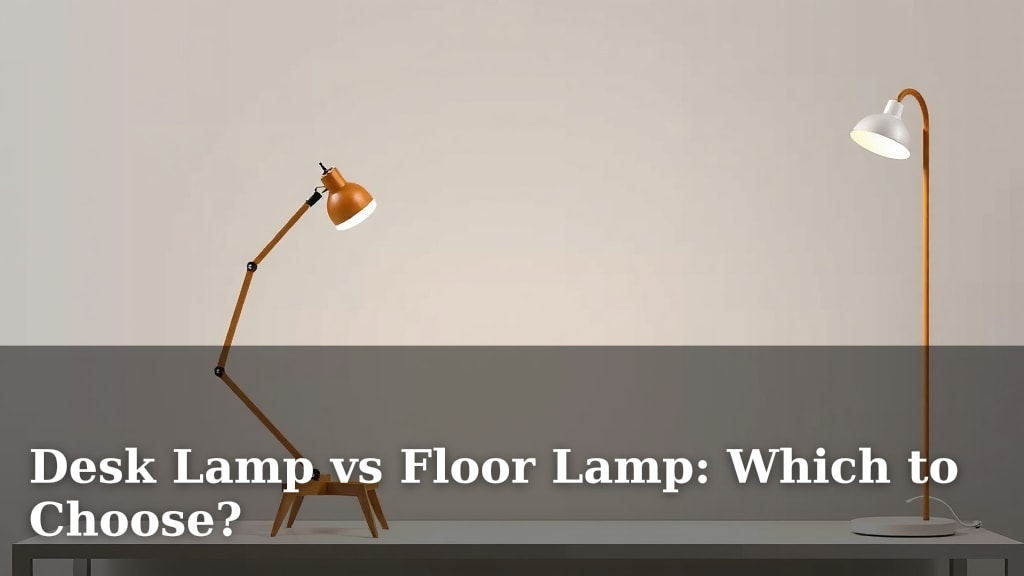
Desk Lamp vs Floor Lamp: Which to Choose?
Deciding between a desk lamp and a floor lamp really depends on your specific needs and where you need light the most. For focused task lighting on a workspace or table, a desk lamp is usually the best choice. If you need broader ambient light for a whole room or a reading nook, a floor lamp often fits the bill better. We found that thinking about the primary function is key.
Both types of lamps serve distinct purposes in illuminating your space. While a desk lamp offers precision for activities like writing or crafting, a floor lamp provides a more general glow, ideal for relaxing or larger areas. Understanding the light coverage and portability of each will help you make the right decision for your home. We researched which lamp works best for different situations.
TL;DR:
- Desk Lamps: Best for focused, close-up tasks.
- Floor Lamps: Ideal for general room lighting or reading corners.
- Consider where you need light most.
- Think about the type of light (focused vs. ambient).
Let’s dive into the specifics of each lamp type to help you figure out which one will brighten your life (and your room) best.
Choosing the Right Lamp: Desk vs. Floor
Deciding between a desk lamp and a floor lamp can feel like a tough choice. You want good lighting. But where should you put it? We’ve looked into this to help you. A desk lamp is built for specific tasks. Think of it as your study buddy. A floor lamp offers a wider reach. It’s more like the room’s general mood setter. We found that understanding the purpose of each light is the first step.
The Case for the Desk Lamp: Focused Light Where You Need It
Desk lamps are designed for close-up work. Their main job is to shine light directly onto your immediate area. This makes them perfect for activities that require close attention. You might use one for reading, writing, or crafting. They help reduce eye strain. We found that proper task lighting can make a big difference. It helps you focus better.
Task Lighting Benefits
When you’re working on something detailed, you need concentrated light. A desk lamp does just that. It prevents shadows from forming on your workspace. This is really important for preventing headaches and fatigue. Many desk lamps are adjustable. You can move the arm and head to direct the light exactly where you want it. We researched that this adjustability is a key feature for usability.
Size and Placement
Desk lamps are typically compact. They sit right on your desk or table. This means they don’t take up much space. They are ideal for smaller areas. If you have a dedicated home office or a craft corner, a desk lamp fits perfectly. We found that even a small surface can accommodate one. It won’t clutter your workspace.
The Appeal of the Floor Lamp: Ambient and Accent Lighting
Floor lamps serve a different purpose. They are usually taller and provide a more general glow. Think of them as a way to light up a whole corner or a section of your room. They are great for creating a cozy atmosphere. Many people use them for reading nooks or next to a sofa. We found that they add both light and style to a room.
Broad Light Coverage
Unlike a desk lamp’s focused beam, a floor lamp casts light over a larger area. This ambient light is perfect for everyday activities. You don’t need super bright, directed light to relax or watch TV. Floor lamps can help fill dark corners. This makes a room feel more welcoming. We researched that proper ambient lighting improves the overall feel of a space.
Versatility in Design
Floor lamps come in many shapes and sizes. Some are straight and simple, often called torchiere lamps. These shine light upwards, bouncing off the ceiling. This creates a very soft, diffused light. Others have adjustable arms or shades. These allow you to direct light a bit more. You can use them for reading, too. We found that the variety means there’s a floor lamp for almost any decor style.
Placement Options
Because they stand on the floor, these lamps don’t need a surface. You can place them in any corner. They can go next to an armchair, a bed, or even in an entryway. They add a decorative element. We found that they can be a focal point in a room’s design. Their height also helps distribute light effectively.
Comparing Key Features: A Quick Look
To make your decision easier, let’s break down the key differences. We looked at how each lamp performs in different situations. This comparison should help you see which one fits your needs best. Think about what you’ll be doing under the light.
| Feature | Desk Lamp | Floor Lamp |
|---|---|---|
| Primary Use | Task lighting, focused work | Ambient lighting, room illumination |
| Light Coverage | Narrow, direct | Wide, diffused |
| Portability | Portable within a workspace | Less portable, needs floor space |
| Placement | Desk, table, shelf | Floor corner, beside furniture |
| Adjustability | Often highly adjustable arms/heads | Varies; some adjustable, some fixed |
| Size | Compact | Taller, larger footprint |
When to Choose Which Lamp: Practical Scenarios
Let’s imagine a few common situations. This will help you picture how each lamp would fit into your life. We think seeing them in action makes it clearer.
Scenario 1: The Home Office or Study Nook
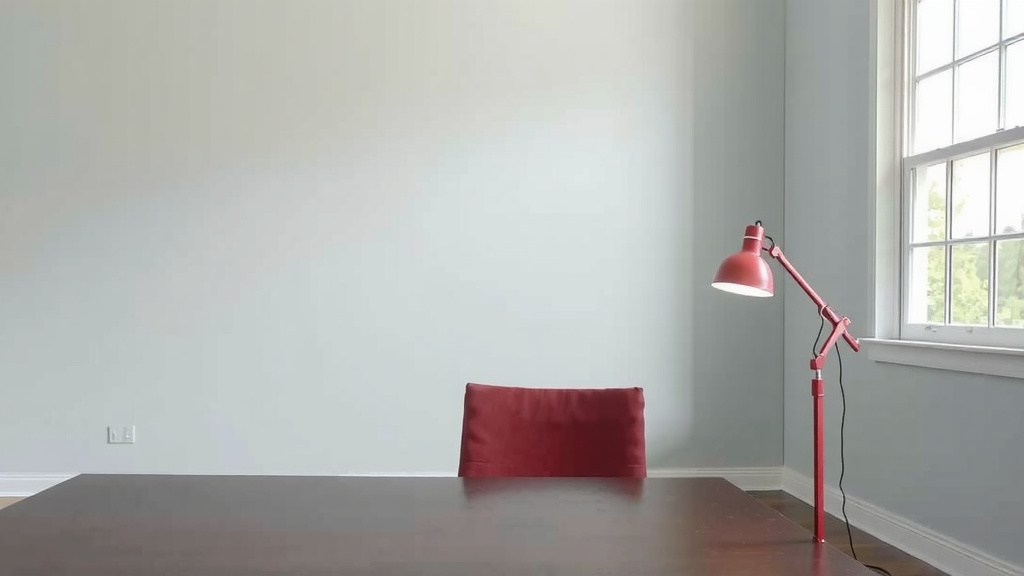
If you spend a lot of time at your desk working, studying, or pursuing a hobby, a desk lamp is essential. You need that focused light directly on your papers or screen. Many experts say good task lighting can improve productivity (American Optometric Association). A desk lamp keeps the light right where your eyes need it. This reduces fatigue during long sessions.
Scenario 2: The Cozy Reading Corner
Do you love to curl up with a book? A floor lamp is often the best choice here. Place it next to your favorite armchair. A torchiere style can provide soft, ambient light. Or, choose one with an adjustable shade for more directed reading light. It creates a perfect little spot for relaxation. We found that good lighting makes reading more enjoyable.
Scenario 3: General Room Brightening
If your living room feels a bit dim, especially in the evenings, a floor lamp can work wonders. It adds a layer of light. This makes the whole room feel more comfortable and inviting. You might use one to balance out overhead lighting. We found that multiple light sources create a more pleasant atmosphere.
Making Your Final Decision: A Checklist
Still unsure? Take a moment to consider these points. We found that answering these questions can simplify the choice. Your needs are unique, so tailor this to your situation.
- Where do you need light most?
- What activity will you be doing?
- How much space do you have?
- Do you need focused or general light?
- What’s your budget?
- Does the lamp need to move often?
Conclusion
Choosing between a desk lamp and a floor lamp boils down to your specific lighting needs. A desk lamp excels at providing focused task lighting for detailed work, reducing eye strain and improving concentration. On the other hand, a floor lamp offers broader ambient light, perfect for creating a cozy atmosphere or illuminating larger areas of your room. We found that considering your primary activity and the space you have available are the most important factors. Think about where you’ll spend most of your time reading, working, or relaxing. Make the choice that best supports those activities and brightens your space effectively.
Frequently Asked Questions
Can I use a floor lamp for task lighting at my desk?
Generally, a floor lamp isn’t ideal for close-up desk work. Its light is usually too diffuse and spread out. While some floor lamps have adjustable arms, they typically don’t offer the direct, concentrated beam needed to prevent eye strain during tasks like writing or intricate crafting. A desk lamp is a much better choice for this purpose.
How tall should a floor lamp be for reading?
For reading, you’ll want a floor lamp that can position light effectively over your book or device. Many floor lamps designed for reading have adjustable arms or shades. A height that allows the light source to be roughly at or slightly above eye level when you’re seated is often best. Torchiere styles that bounce light off the ceiling can also work if they provide enough overall brightness.
Are desk lamps good for small spaces?
Yes, desk lamps are excellent for small spaces like dorm rooms, apartments, or small home offices. Their compact size means they sit directly on your desk or table, taking up minimal surface area. This keeps your workspace clutter-free and ensures you get focused light without needing extra floor or table space.
What is the difference between ambient and task lighting?
Ambient lighting provides general illumination for a room, creating a comfortable overall brightness. Think of the soft glow from a floor lamp or ceiling light. Task lighting, on the other hand, is focused and direct, designed for specific activities like reading, writing, or crafting. Desk lamps are prime examples of task lighting, offering concentrated light right where you need it.
Can I use both a desk lamp and a floor lamp in the same room?
Absolutely! Many rooms benefit from a combination of lighting types. You might use a floor lamp in a corner for ambient light and to add warmth, while also having a desk lamp on your workspace for focused task lighting. Layering different light sources creates a more functional and inviting atmosphere.
![10 Best Bug Lamp [2026]](https://bestdesklamp.com/wp-content/uploads/2026/08/10-best-bug-lamp-2026-featured-768x432.jpg)
![10 Best Cordless Bedside Lamps [2026]](https://bestdesklamp.com/wp-content/uploads/2026/09/10-best-cordless-bedside-lamps-2026-featured-768x432.jpg)