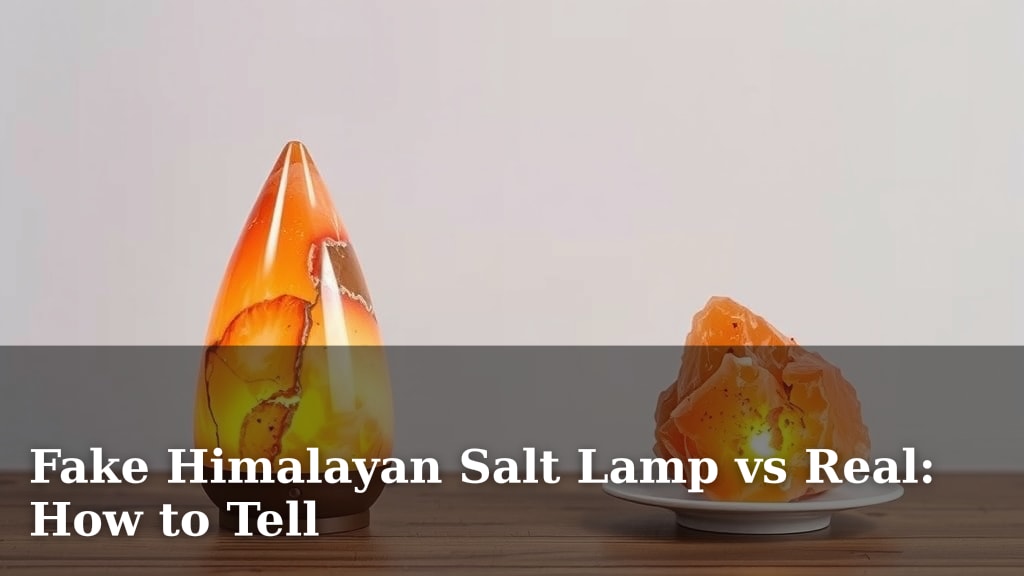
Fake Himalayan Salt Lamp vs Real: How to Tell
Spotting a fake Himalayan salt lamp is easier than you think! Real lamps, mined from Pakistan, have a distinct natural glow and unique shape, unlike cheap imitations that often use colored glass or plastic. If it feels too perfect or is suspiciously cheap, it might be a fake.
Many consumers are looking for the purported health benefits, like air purification, that come with genuine salt lamps. We found that mass-produced fakes often miss these qualities. Understanding the differences ensures you get the authentic experience and avoid disappointment with a dud product.
- Real lamps have irregular shapes and textures.
- Fakes often look too uniform or feel too light.
- The color of real salt varies; fakes can be unnaturally bright.
- Check for a UL-certified cord and bulb assembly.
Let’s walk through the simple tests and observations you can use to tell your genuine Himalayan salt lamp from a counterfeit one.
Is Your Himalayan Salt Lamp the Real Deal?
You’re looking for that beautiful, calming glow from a genuine Himalayan salt lamp. But how can you be sure the one you’re considering is authentic and not just a clever imitation? We understand the desire for the purported benefits and the aesthetic charm. That’s why we’ve gathered some simple ways to help you spot a fake and ensure you’re getting the real deal.
Many consumers are drawn to salt lamps for their unique look and the calming ambiance they create. Research suggests that genuine salt crystals, mined from the Punjab region of Pakistan, possess distinct characteristics. It’s these characteristics that fakes often struggle to replicate perfectly.
The Visual Clues: What to Look For
Your eyes can tell you a lot about a salt lamp. Authentic lamps aren’t mass-produced and factory-perfect. They carry the marks of their natural origin.
Shape and Texture: The Beauty of Imperfection
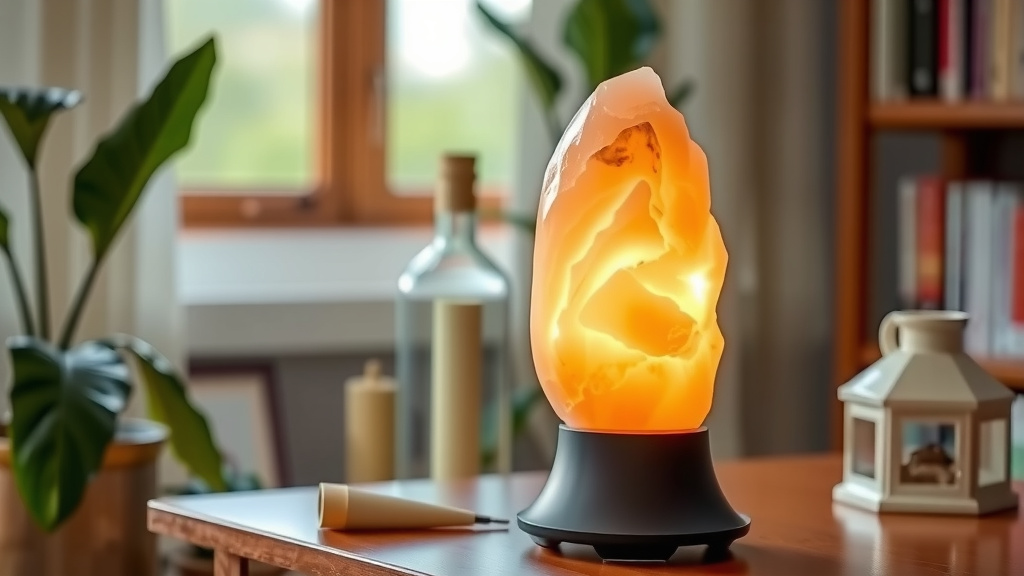
Real Himalayan salt lamps are carved from large salt crystals. This means they naturally have **irregular shapes** and **uneven surfaces**. You might see small pits, crevices, or variations in the crystal structure. Think of them as unique sculptures, each one slightly different from the next.
Fakes, on the other hand, often appear too uniform or symmetrical. They might have a smooth, almost polished finish all over. If your lamp looks like it was perfectly molded, it’s a red flag. Genuine lamps should feel somewhat rough and natural to the touch.
Color Variations: Nature’s Palette
The color of a true Himalayan salt lamp can range from a very pale pink to a deep, rich orange-red. This variation comes from the minerals present in the salt. You’ll often see **bands of different shades** within a single lamp, showing the natural stratification of the salt deposit.
If a lamp’s color is unnaturally bright, uniform, or seems to be painted on, it’s likely a fake. Some imitations might use colored glass or plastic, or even dye a synthetic salt compound. This artificial look doesn’t capture the subtle, earthy hues of genuine salt.
The Weight and Feel: More Than Just Looks
Beyond what you see, how a lamp feels can also reveal its authenticity.
Density and Weight: A Solid Indicator
Genuine salt crystals are dense and surprisingly heavy for their size. If you pick up a lamp that feels unusually light for its dimensions, it could be hollow or made from a less dense material, like plastic or colored glass.
We found that a common characteristic of authentic lamps is their **solid, substantial feel**. When comparing two lamps of similar size, the real one should noticeably weigh more.
Temperature and Condensation: A Sign of True Salt
One of the most telling signs of a real salt lamp is how it interacts with moisture. Salt is naturally hygroscopic, meaning it attracts water molecules from the air. In humid environments, a real salt lamp will often feel slightly damp and may even develop a thin layer of condensation on its surface.
This condensation is normal and is a sign that the lamp is actively interacting with its surroundings. If your lamp stays completely dry and cool regardless of humidity, it might not be made of genuine salt. Some experts suggest placing a small piece of tissue paper around the base; if it stays dry, it could be a fake.
Testing for Authenticity: Simple At-Home Checks
While visual inspection is helpful, a few simple tests can give you more confidence in your lamp’s authenticity.
The Water Test: A Drippy Reveal
This is a straightforward test for condensation. Place a dry paper towel or cloth around the base of the lamp and leave it on for a few hours. If the paper towel becomes damp, it’s a good sign the lamp is attracting moisture like real salt would.
Remember, this effect is more noticeable in **humid conditions**. If you live in a very dry climate, you might not see much condensation. But if you see it, it’s a strong indicator of a real salt lamp.
The Scratch Test: Use with Caution!
This test involves a minor abrasion. If you have a small, inconspicuous area on the lamp’s surface, you can gently try to scratch it with a fingernail or a dull metal object like a key. Genuine salt is relatively soft and will show a slight scratch or powdery residue.
Be extremely careful with this test, as you don’t want to damage your lamp. If the surface is too hard to scratch easily, or if it flakes like paint, it might not be real salt. Many experts advise against this test unless you’re prepared for a potential minor mark.
The Electrical Components: Safety First!
Beyond the salt itself, the electrical components of your lamp are crucial for safety.
Cord and Bulb Assembly: UL Certification Matters
Authentic Himalayan salt lamps sold in the US should come with a power cord and bulb assembly that is **UL-certified**. This certification means the electrical parts have met specific safety standards set by Underwriters Laboratories. It’s your assurance against potential fire hazards or electrical shocks.
Look for the UL mark on the cord, plug, and bulb holder. If these components lack certification or look cheaply made, it’s a sign of a potentially unsafe, counterfeit product. Don’t compromise on electrical safety; it’s just as important as the lamp material itself.
Price and Packaging: What They Can Tell You
Sometimes, the deal seems too good to be true, and with salt lamps, it often is.
Suspiciously Low Prices: A Warning Sign
Genuine Himalayan salt lamps are carved by hand from natural salt deposits. This process takes time and effort, which is reflected in the price. If you see a lamp that is **significantly cheaper** than others of comparable size and design, it’s worth questioning its authenticity.
Mass-produced fakes, often made from synthetic materials, can be manufactured at a much lower cost. Don’t be tempted by a bargain if it means you’re likely getting a fake product.
Packaging Quality: Presentation Counts
Reputable sellers will typically package their authentic salt lamps with care. You might find the lamp secured within a sturdy box, often with protective foam or bubble wrap. The packaging might also include information about the origin of the salt and care instructions.
Fakes are sometimes sold in flimsy packaging or even just plastic wrap. If the presentation feels cheap or uninformative, it could be another clue that you’re not dealing with a genuine product.
Your Salt Lamp Authenticity Checklist
Here’s a quick rundown to help you verify your lamp:
- Does it have an irregular, natural shape with some surface texture?
- Is the color a natural pink to orange-red, with possible banding?
- Does it feel heavy and dense for its size?
- Does it develop slight condensation in humid conditions?
- Is the power cord and bulb assembly UL-certified?
- Was the price reasonable, or suspiciously low?
Conclusion
You’ve learned how to spot a fake Himalayan salt lamp and ensure you’re bringing home an authentic piece. Remember to look for natural imperfections, varying colors, and a substantial weight. Always check for UL certification on the electrical components for safety. Don’t be fooled by overly perfect looks or suspiciously low prices.
Trust your instincts and the simple tests we’ve covered. By following these tips, you can confidently choose a genuine salt lamp that adds warmth and beauty to your home. Now go forth and find that perfect, natural glow!
Frequently Asked Questions
Will a real Himalayan salt lamp sweat or get wet?
Yes, a genuine Himalayan salt lamp is hygroscopic, meaning it attracts moisture from the air. In humid conditions, it may feel slightly damp or develop a thin layer of condensation on its surface. This is a normal sign of its authenticity and interaction with the environment.
Are fake salt lamps dangerous?
Fake salt lamps made from plastic or low-quality materials may not pose a direct health risk, but their electrical components could be unsafe. Always look for UL-certified cords and bulbs to avoid potential fire or shock hazards. A fake lamp is primarily a disappointment, but unsafe electricals are a real danger.
Can I use my salt lamp in a very dry climate?
In very dry climates, you might not see the condensation effect that’s typical of real salt lamps. If your lamp doesn’t develop any moisture even in dry air, it could be a sign it’s not authentic. However, other indicators like shape and weight are still reliable clues.
How do I clean my real Himalayan salt lamp?
Cleaning is simple: turn off and unplug your lamp. Gently wipe it with a dry cloth to remove dust. If there’s any dampness, use a dry paper towel. Avoid using water or cleaning solutions, as they can damage the salt and its natural properties.
Is the color of a salt lamp a reliable indicator of authenticity?
Color is a good indicator, but not the only one. Authentic lamps have a range of colors from pale pink to deep orange-red, often with natural banding. If a lamp’s color is too uniform, unnaturally bright, or looks painted on, it’s likely a fake. Always consider color alongside shape, weight, and texture.
![10 Best Buy Sun Lamp [2026]](https://bestdesklamp.com/wp-content/uploads/2026/08/10-best-buy-sun-lamp-2026-featured-768x432.jpg)