How to Measure a Table Lamp Correctly
Measuring a table lamp is simpler than you might think. You’ll primarily need to measure its overall height and the width or diameter of its shade. Getting these two measurements helps ensure your lamp will fit your intended space and look balanced on your furniture.
Knowing these dimensions is key for practical reasons. It helps you avoid placement problems and ensures proper light distribution. We found that understanding lamp measurements also simplifies online shopping and prevents frustrating returns.
- Measure the lamp’s total height from base to finial.
- Measure the shade’s width or diameter at its widest point.
- Consider the lamp’s base width for stability.
- Think about where the lamp will sit and its proportions.
Let’s walk through exactly how to get those measurements and what else to consider when sizing up a table lamp. Understanding the difference between a desk lamp or a table lamp can help you choose the right lighting.
Getting the Right Lamp Measurements for Your Space
Understanding how to measure a table lamp is key to finding one that fits perfectly. You’ll want to know its overall height and the width of its shade. These two simple measurements help ensure your lamp looks good and works well.
Measuring Your Table Lamp’s Height
The total height of a table lamp is measured from the very bottom of the base to the top of the finial. The finial is that decorative knob that screws onto the harp to hold the shade in place. Think of it as the lamp’s crowning glory!
The Base to Finial Process
First, place your lamp on a flat surface. You can even use a book or a sturdy object to keep it steady if needed. Then, grab your measuring tape.
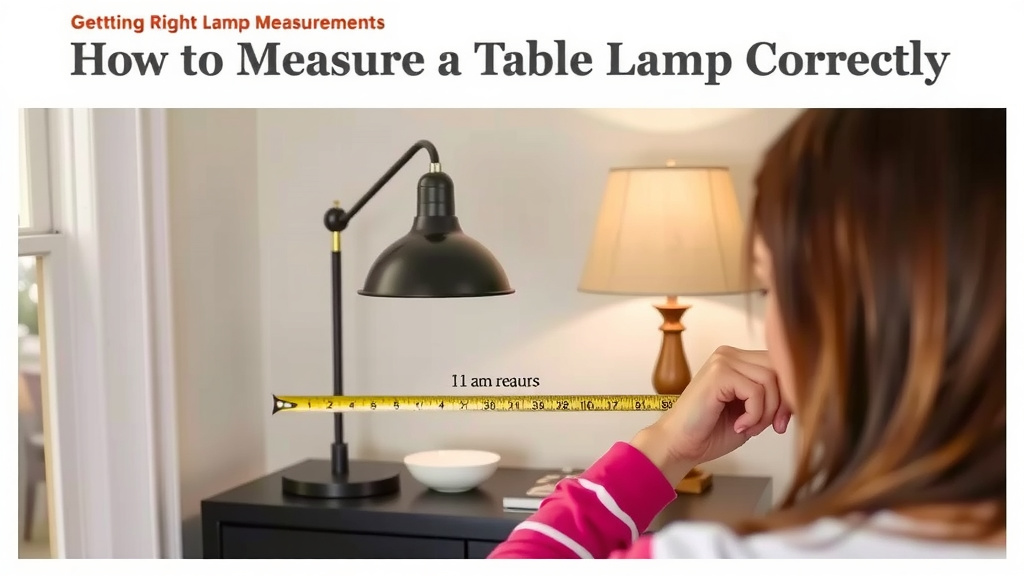
Hold the end of the tape measure at the lowest point of the lamp’s base. Extend the tape straight up to the highest point of the finial. Make sure the tape is vertical for an accurate reading. Many experts suggest this is the most important measurement for scale (Home Lighting Association).
Why Total Height Matters
The overall height tells you if the lamp will be too tall or too short for your table or nightstand. A lamp that’s too short might get lost in the decor. One that’s too tall could overwhelm the space or block your view.
We found that a good rule of thumb is to have the shade’s bottom edge about eye level when you’re seated. This helps create comfortable, diffused lighting. Imagine sitting in your favorite reading chair; the light should feel welcoming, not glaring.
Measuring the Lamp Shade
The lamp shade’s size is just as important as the lamp’s height. It affects how much light is distributed and the lamp’s overall visual balance. You’ll need to measure its width or diameter.
Measuring Shade Width or Diameter
For straight-sided shades (like cylinders or square shades), measure the width across the bottom opening. This is usually the widest part of the shade.
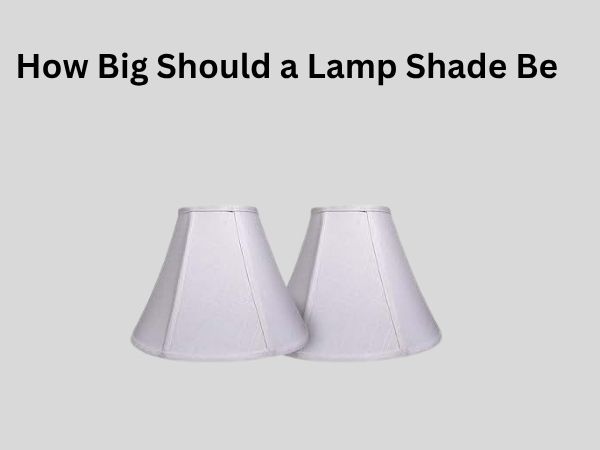
For sloped-sided shades (like bell or empire shapes), you’ll want to measure the diameter at the widest point. This is typically halfway down the shade. Always measure across the widest part for consistency. We found that measuring the top and bottom opening diameters can also be helpful for some designs.
Considering Shade Shape and Size
The shade’s size should be proportional to the lamp’s base. A tiny shade on a large base looks off. A massive shade on a small base can feel clumsy. Think of it like choosing shoes for an outfit; they need to match in scale.
Many interior designers recommend that the shade’s diameter should be roughly two-thirds the width of the lamp’s base. This isn’t a hard and fast rule, but it’s a great starting point for achieving a balanced look. We found this guideline helps immensely with online shopping.
Don’t Forget the Base Width!
While not as commonly cited as height or shade width, the base width is a critical measurement for stability and fit. You don’t want your lamp wobbling around!
Why Base Width Matters
The base width ensures your lamp will sit securely on its intended surface. A wider base generally means more stability. This is especially important if you have pets or children who might bump into things. We found that a lamp with a narrow, tall base can be a tipping hazard.
It also helps you visualize how much surface area the lamp will occupy. This is crucial for smaller tables or crowded nightstands. You need to make sure there’s enough room for the base without it hanging over the edge.
Putting It All Together: Practical Tips
Once you have your measurements, it’s time to think about where the lamp will go. Consider the overall proportions of your room and furniture.
Visualizing the Lamp in Your Space
Imagine the lamp on your table. Will its height interfere with your activities? For example, if it’s next to a sofa, will it be too high when someone is sitting down? The goal is functional and aesthetically pleasing lighting.
We found that many people overlook the “visual weight” of a lamp. A lamp with a large, dark shade might feel heavier than a lamp with a thin base and a small, light-colored shade, even if their measurements are similar. This is something to keep in mind.
Checklist for Measuring Your Lamp
Here’s a quick checklist to make sure you’ve got all your measurements:
- Total Height: Measure from the absolute bottom of the base to the top of the finial.
- Shade Width/Diameter: Measure the widest point of the shade.
- Base Width/Diameter: Measure the widest part of the lamp’s base.
- Surface Area: Note how much space the base will take up.
- Intended Location: Think about where it will sit and any visual obstructions.
Conclusion
You’ve now learned the essential steps to measure your table lamp accurately. Remembering to check the overall height, from base to finial, and the shade’s width or diameter at its widest point will make a huge difference. Don’t forget to consider the base width for stability and how the lamp’s proportions will look in your space. Armed with these measurements, you can confidently shop for new lamps or ensure your current ones fit perfectly. Your next step is to grab your measuring tape and apply these simple techniques to your own lamps!
Frequently Asked Questions
What if my lamp doesn’t have a finial?
If your lamp lacks a finial, measure from the very bottom of the base straight up to the highest point of the harp where the shade attaches. This will give you the functional height of the lamp’s structure.
How do I measure a lamp with an unusual shade shape?
For uniquely shaped shades, measure the widest point across the top opening and the widest point across the bottom opening. Note down both measurements, and also measure the shade’s height from top to bottom. This provides a complete picture of its dimensions.
Is there a standard ratio for shade width to base width?
While not a strict rule, a common guideline is for the shade’s diameter to be about two-thirds the width of the lamp’s base. This helps create a visually balanced and stable-looking lamp, and we found it’s a great starting point.
How does the lamp’s placement affect the measurements I need?
Consider where the lamp will sit. For a nightstand, you’ll want the height to be comfortable for reaching the switch. For a console table, ensure the height doesn’t block artwork or mirrors. You’re essentially measuring for fit and function.
Can I measure a lamp that’s already in place?
Absolutely! You can measure a lamp right where it is. Just ensure it’s stable and you can comfortably reach all parts to get accurate readings. If the lamp is hard to reach, carefully move it slightly or use a steady object to help hold your tape measure.
![10 Best Affordable Table Lamps [2026]](https://bestdesklamp.com/wp-content/uploads/2026/09/10-best-affordable-table-lamps-2026-featured-768x432.jpg)