How Long Do Ducklings Need a Heat Lamp? Week-by-Week Guide
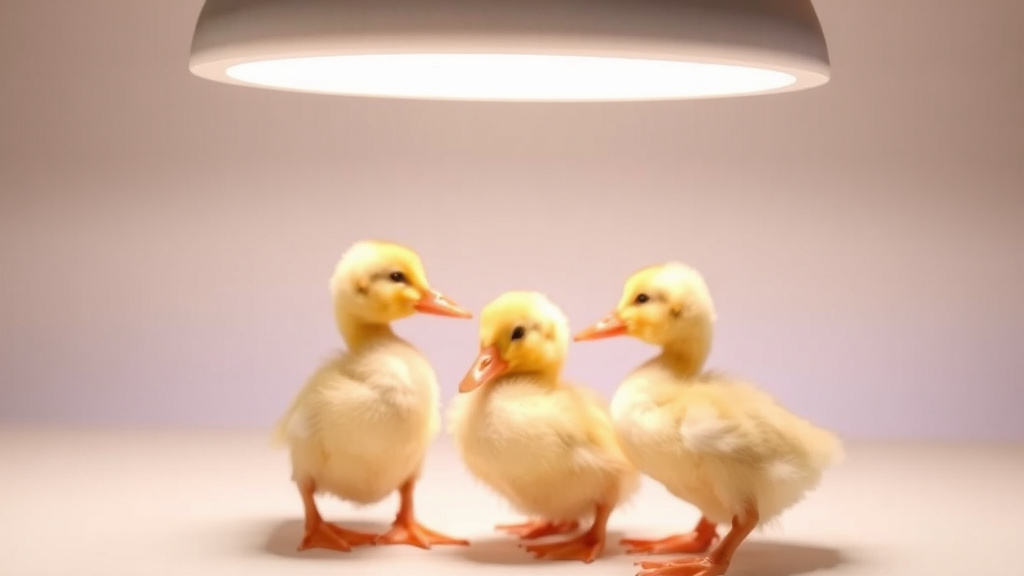
Most ducklings need a heat lamp for 3 to 6 weeks, depending on the temperature around them. We found that the safest rule is to watch the ducklings, not the calendar. If they huddle under the lamp, they’re cold. If they spread out to the edges, they’re too hot.
So how do you know when it’s time to say goodbye to the lamp? The answer comes down to feather growth and outdoor temperatures. Ducklings hatch with soft down, not real feathers, so they can’t regulate their own body heat yet. Many experts say you can start lowering the heat a little each week until they’re fully feathered.
Quick Takeaways
- Ducklings usually need a heat lamp for 3 to 6 weeks after hatching.
- Start at around 90°F for the first week, then drop it about 5 degrees each week.
- Watch your ducklings’ behavior — huddling means too cold, panting at the edges means too hot.
- Most ducklings are ready to live without heat once they’re fully feathered.
- Warm weather can shorten the timeline; chilly spring nights can stretch it.
Below, we break down everything you need to know about keeping ducklings warm — from week-by-week temperatures to the exact signs they’re ready to go without the lamp. Let’s get into it!
Your Duckling Heat Lamp Timeline Week by Week
Here’s the simple answer up front: start at 90°F for week one, then drop the temperature about 5 degrees each week. By the time you hit week four to six, most ducklings are ready to live without the lamp. That’s the general schedule many hatcheries and poultry experts recommend.
But here’s the thing — this schedule isn’t set in stone. It’s a starting point. Your ducklings, your brooder, and your local weather all play a part. We found that people who watch their birds closely almost always get better results than people who follow a chart blindly.
| Age of Ducklings | Target Temperature | What It Looks Like |
|---|---|---|
| Week 1 | 90°F (32°C) | Tiny fluffballs, stay close to the heat |
| Week 2 | 85°F (29°C) | Getting wobbly, more adventurous |
| Week 3 | 80°F (27°C) | Wing feathers starting to show |
| Week 4 | 75°F (24°C) | Tail feathers coming in, bigger bodies |
| Week 5-6 | 70°F and below | Nearly feathered, ready for the great outdoors |
Notice the trend? The temperature keeps easing down as the ducklings grow. Think of it like weaning a toddler off a bedtime bottle — slow and steady wins.
Why the Temperature Matters So Much
Ducklings can’t make their own body heat when they hatch. They rely on external warmth the way a car in winter relies on a block heater. Without it, they can get chilled fast, and a chilled duckling can go downhill quickly.
Many experts say the first week is the most dangerous. A drop in body temperature during those early days can be life-threatening. So yes, that lamp is doing real work. Don’t rush it.
What Happens If They Get Too Cold
Cold ducklings huddle into a tight pile and cheep loudly. Some get lethargic and stop eating. If you see this, bump the heat back up right away. It’s much easier to fix a too-cold brooder than to nurse a sick duckling back to health.
What Happens If They Get Too Hot
Too much heat is just as risky. Ducklings that are too warm will pant, spread out to the far edges of the brooder, and hold their wings away from their bodies. They may also drink a lot of water. If you see this, raise the lamp or lower the wattage.
Reading Your Ducklings: Behavior Beats Any Thermometer
We found that a thermometer gives you a number, but your ducklings give you the truth. Their behavior tells you if the temperature is right better than any gauge on the market.
- Huddled in a pile under the lamp? They’re cold. Lower the lamp or add heat.
- Spread evenly across the brooder? Perfect. They’re comfortable.
- Pressed against the walls, away from the heat? Too hot. Back the lamp off.
- Chirping loudly and constantly? Something’s off — usually temperature.
- Quiet, eating, drinking, and zipping around? You’ve nailed it. Leave things alone.
One small tip from our research: set up the brooder so there’s a warm side and a cool side. This lets ducklings pick their own comfort zone. It’s like giving them a thermostat they can walk to.
Where to Place the Heat Lamp
Hang the lamp above one end of the brooder, not the middle. This creates that warm zone and cool zone we just talked about. Many keepers aim for a spot about 18 inches above the bedding, then adjust based on the thermometer reading at duckling level.
Also, clip that lamp securely. A hot lamp falling into bedding is a real fire risk. We can’t say this enough — secure the clamp and double-check it daily.
When Can Ducklings Finally Go Without the Heat Lamp?
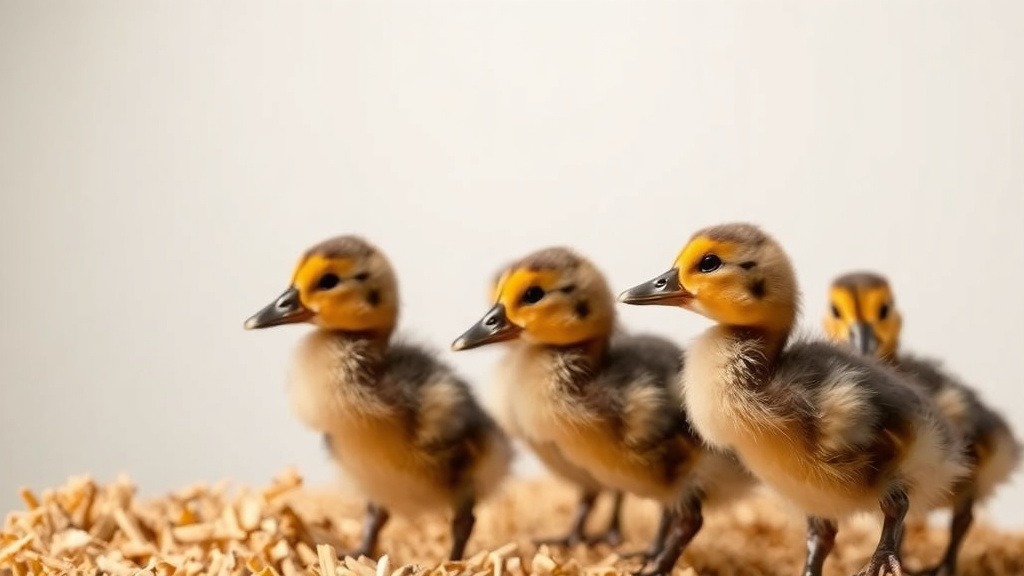
The magic moment arrives when your ducklings are fully feathered. Real feathers replace that fuzzy down over the first several weeks. Feathers work like a built-in jacket — once ducklings have one, they can handle normal outdoor temperatures on their own.
Most ducklings get there around 6 to 8 weeks of age, though some breeds feather out faster than others. Weather matters too. A June hatch with warm nights might not need the lamp past week four. A February hatch in Minnesota? That lamp might stick around a while longer.
The Feather Check: How to Know They’re Ready
Give your ducklings a quick once-over. Here’s a simple checklist to run through before you unplug the lamp for good:
- Down is gone or nearly gone from the back and wings
- Feathers cover the belly and chest, not just the wings
- No bald patches when you part the feathers gently
- Nighttime temperatures stay above roughly 50°F
- Ducklings are active and eating well, not huddling
- You’ve already tried shorter stints without heat and they stayed comfy
That last one matters. Don’t go from full-time heat to zero overnight. We found that a gradual transition works best — try a few hours without the lamp during the day first, then extend it. Watch how they respond.
Taking Ducklings Outside for Short Visits
Once they’re a few weeks old, you can take ducklings outside for supervised playtime on warm, calm days. Keep it short at first. Twenty minutes in the sun builds confidence and lets them sample grass and bugs. Just bring them back in before the evening chill sets in.
Never leave young ducklings outside overnight before they’re fully feathered. Cold, wet nights are the biggest danger. Wet duckling plus no heat is a bad combo — remember, they’re waterproof later, not now.
Common Heat Lamp Mistakes to Avoid
Even experienced duck keepers slip up sometimes. Here are the most common mistakes we found in our research, so you can skip them entirely.
- Using one small bulb for a big brooder. The corners stay cold and ducklings pile up there. Use a wider lamp or two heat sources.
- No thermometer at all. Guessing is risky. A cheap thermometer at duckling level takes out the guesswork.
- Keeping the same temperature for weeks. Ducklings grow fast. If you never drop the temp, they overheat.
- Ramping down too fast. Cutting heat suddenly shocks their system. Drop 5 degrees a week, not 20.
- Ignoring drafts. A cold breeze through the brooder can undo everything the lamp is doing.
Heat Lamp Safety Basics
Heat lamps get very hot, and brooders are often full of dry bedding and curious little beaks. A few simple habits keep everyone safe.
Use a lamp with a guard or wire cover. Keep cords well away from the brooder edge. Check that the clamp is tight every single day. And keep a backup bulb on hand — bulbs burn out at the worst times, usually the coldest night of the month.
Conclusion
Raising ducklings under a heat lamp comes down to three things: a smart starting temperature, a slow weekly taper, and watching your birds. Start near 90°F, drop about 5 degrees each week, and let feather growth guide your final decision. Most broods ditch the lamp somewhere between weeks four and six, but your ducklings will always tell you the truth before a thermometer does. We found that keepers who watch behavior and adjust as they go have the smoothest rides. So set up that brooder with a warm side and a cool side, secure your lamp clamp, and check your flock every day. Your feathered friends will be swimming laps in no time.
Frequently Asked Questions
Can I use a regular light bulb instead of a heat lamp for ducklings?
A standard bulb usually won’t put out enough steady warmth, especially at night. We found that a proper brooder lamp or a radiant heat panel does the job much better. If you’re in a pinch, a ceramic heat emitter works without adding bright light.
Do ducklings need heat at night only, or all day?
Young ducklings need heat both day and night until they feather out. Temperatures drop after sunset, so nighttime is often when they’re most at risk. Keep the lamp running around the clock until you start the weaning process.
What wattage heat lamp should I use for ducklings?
Most keepers start with a 100-watt bulb for a standard brooder, then adjust based on the thermometer. The wattage matters less than the actual temperature at duckling level. Measure, then tweak the height or bulb until you hit your target.
Can two-week-old ducklings go outside during the day?
Yes, for short supervised visits on warm, calm days. Keep trips to 20 or 30 minutes and make sure they have a way to warm back up. Skip outings entirely if it’s windy, rainy, or below about 70°F outside.
Is a heat plate better than a heat lamp for ducklings?
Heat plates are a solid option and cut down on fire risk. They also let ducklings self-regulate by touching the warm surface when they choose. We found many keepers switch to plates after a scary lamp incident, and the birds do just as well.