How Long Should a Lamp Cord Be? Ideal Lengths Explained
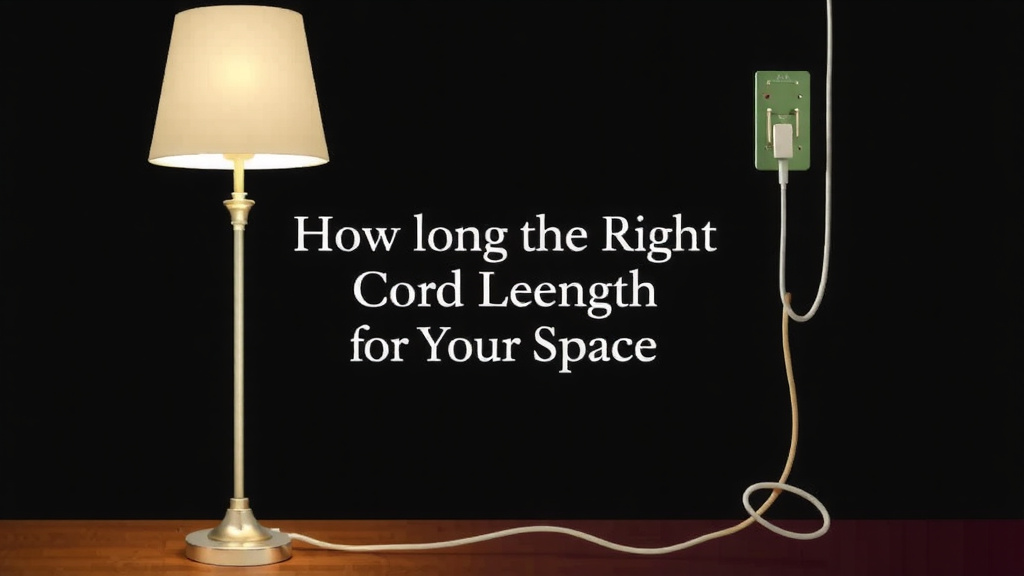
Most lamp cords should be 8 to 10 feet long. That length gives you enough cord to reach an outlet from a typical table or floor lamp without leaving a tangled mess on the floor. But the right answer depends on where your lamp sits and how far the outlet is.
Why does this matter so much? A cord that’s too short means you’re stuck with extension cords, which many experts say can be a safety hazard if used long-term. One that’s too long creates clutter and can trip you up (literally). When we researched common cord lengths, we found that most manufacturers ship lamps with 6-foot cords, though longer options exist for floor lamps and awkward outlet spots.
- Standard table lamps work best with an 8 to 10-foot cord.
- Floor lamps often need 12 feet or more to reach an outlet. If a 12-foot cord run sounds like too much hassle, our guide to battery operated floor lamps covers cord-free alternatives.
- Most new lamps come with a 6-foot cord already attached.
- Cords can be extended or replaced if the factory length doesn’t fit your space.
- Never rely on extension cords as a permanent fix.
Below, we break down exactly how to figure out the right cord length for your lamp, plus what to do when the one you have falls short. Let’s get your lighting plugged in the right way.
Finding the Right Lamp Cord Length for Your Space
The right length comes down to one thing: the distance from your lamp’s spot to the nearest outlet. Measure that path, add 2 to 3 feet of slack, and you’ve got your number. It sounds simple, but a few details can trip you up.
Think of it like buying a garden hose. You don’t want one so short it strains, or so long it coils everywhere. A lamp cord works the same way.
How to Measure Before You Buy
Grab a tape measure and walk the actual route the cord will take. Don’t measure in a straight line, because your cord won’t fly across the room like a zip line. It runs down the lamp, along a wall, maybe behind a sofa.
The Simple Measurement Formula
Here’s what we found works best when we researched cord planning:
- Measure from the outlet to where the lamp base will sit.
- Add the height of the lamp (the cord runs down the pole too).
- Add 2 to 3 feet of extra slack for safety and flexibility.
- Round up to the nearest standard cord length.
Common Room Setups and What They Need
Most American homes put outlets roughly 12 to 14 feet apart along walls, based on national electrical code spacing rules. That gives you a decent starting point.
| Lamp Type | Typical Cord Length | Best For |
|---|---|---|
| Small desk lamp | 6 feet | Close outlet, office desk |
| Standard table lamp | 8 to 10 feet | Nightstands, side tables |
| Floor lamp | 12 feet or more | Living rooms, reading corners |
| Bedside lamp (far outlet) | 10 to 12 feet | Rooms with few outlets |
Why the Factory Cord Often Falls Short
Many manufacturers ship lamps with a 6-foot cord because it keeps their costs down. But a 6-foot cord only reaches about 3 or 4 feet from the outlet once you account for slack and routing. That’s fine for a desk next to a plug. Not so fine for a corner floor lamp.
Ever bought a lamp and had to rearrange the whole room just to reach a plug? You’re not alone. It’s one of the most common complaints we found in buyer reviews.
Safety Risks of Cords That Are Too Short or Too Long
Cord length isn’t just about convenience. It’s a real safety issue. The U.S. Consumer Product Safety Commission reports that home electrical injuries send thousands of people to emergency rooms each year, and many involve cords and plugs.
Dangers of a Cord That’s Too Short
When a cord barely reaches, people plug in a string of extension cords or power strips to bridge the gap. Many experts say this creates fire and trip hazards over time. The National Fire Protection Association notes that extension cords cause a meaningful share of home electrical fires each year.
Chaining extension cords together is especially risky. It’s like duct-taping a ladder rung onto a ladder that’s already wobbly.
Problems With a Cord That’s Too Long
Extra cord sounds harmless, but piles of slack cord underfoot cause trips and falls. According to the CDC, falls are among the leading causes of household injuries, so a loose cord in a walkway is worth fixing.
Excess length can also lead to dangling cords that kids or pets might chew or yank. If you must coil extra cord, keep it away from walkways and never under a rug.
When Extension Cords Are Okay (and When They’re Not)
Here’s the honest answer: an extension cord is fine for a lamp temporarily, but not as a permanent setup. Many safety guidelines point to extension cords as short-term fixes only, not everyday wiring.
Better Long-Term Solutions
If your factory cord is too short, you have smarter options than living dangerously:
- Replace the cord with a longer one (cords come in 8, 10, and 12-foot lengths).
- Add a plug-in wall sconce or cordless lamp in awkward corners.
- Have an electrician install an outlet closer to where you actually need it.
- Move the lamp closer to an existing outlet.
Replacing a lamp cord is often a beginner-friendly DIY with a simple rewire kit. Just unplug first, and if the wiring looks complex, call a pro.
Rules for Safe Extension Cord Use
If you do use one while you sort out a permanent fix, follow these basics:
- Use a cord rated for the lamp’s wattage.
- Never run cords under rugs or through doorways.
- Don’t plug one extension cord into another.
- Check for warm spots or fraying every few weeks.
- Replace the setup with a proper cord length as soon as you can.
Your Quick Lamp Cord Checklist
Before you buy or rewire, run through this quick list. It takes two minutes and saves you a return trip.
- Measure the real cord path, not the straight-line distance.
- Add 2 to 3 feet of slack to your measurement.
- Match the cord length to your lamp type (8–10 feet for table lamps). Still deciding between a table or floor lamp for that spot? Our comparison guide walks through which fits your space best.
- Check the outlet’s condition, not just its location.
- Skip extension cords as a permanent solution.
- Route cords along walls, away from walkways and rugs.
That’s really all it takes. Measure honestly, plan for slack, and plug in with confidence. Your shins will thank you.
Conclusion
Getting your lamp cord length right comes down to a tape measure and a little honesty. Walk the real path from outlet to lamp, add 2 to 3 feet of slack, and you’ll land on the length that fits. Table lamps usually need 8 to 10 feet, floor lamps often want 12 or more. Skip the extension cord as a permanent fix, because a proper-length cord is safer and cleaner. If your current cord falls short, a simple rewire kit or a lamp relocation solves it fast. Your next step? Grab that tape measure and check your lamp’s path tonight, before you buy anything.
Frequently Asked Questions
Can I cut a lamp cord to make it shorter?
We don’t recommend it. Cutting and re-capping a cord means stripping wires and reattaching a plug, which can go wrong if you’re not experienced. It’s usually easier and safer to coil the extra length neatly along a wall, out of walkways.
Are longer lamp cords safe, or do they use more electricity?
A longer cord is perfectly safe as long as it’s rated for your lamp’s wattage and undamaged. Cord length has no real effect on how much electricity your lamp uses. Just avoid leaving big loops of slack where people walk.
What gauge should a replacement lamp cord be?
Most household lamps do fine with an 18-gauge, two-wire cord, which is the standard for table and floor lamps. If your lamp draws a lot of power, such as a high-wattage floor model, check the manufacturer’s specs before buying. When in doubt, a hardware store associate can point you to the right kit.
How do I hide a long lamp cord along a wall?
You have a few easy options. Cord covers and paintable raceways tuck the wire flat against the baseboard, and adhesive clips keep it hugging the wall. Just never run a cord under a rug, since that traps heat and hides damage.
Can I replace a lamp cord myself, or should I call an electrician?
Most standard lamps are a beginner-friendly DIY with a rewire kit, often under $20. Unplug the lamp first, follow the kit instructions, and you’re usually done in 20 minutes. If the lamp has a built-in dimmer, unusual wiring, or you feel unsure at any point, call a professional instead.