How Long Can a Himalayan Salt Lamp Stay On Safely
You can leave your Himalayan salt lamp on all day and night, as long as you use a low-wattage bulb and it’s in a stable location. They are designed for continuous use. Many people enjoy the ambient glow and potential health benefits it provides around the clock.
Leaving your lamp on constantly is generally considered safe and even beneficial by many users. It helps to circulate air and can create a relaxing atmosphere in your home. Just be mindful of the bulb’s wattage to avoid overheating.
- Himalayan salt lamps can be left on 24/7.
- Always use a low-wattage bulb (usually 15W or 25W).
- Ensure the lamp is on a stable surface.
- Continuous use is generally safe and recommended.
So, how long can this glowing rock really stay on? Let’s dive into the details and make sure you’re using your Himalayan salt lamp safely and effectively.
How Long Can Your Himalayan Salt Lamp Glow?
You might be wondering if your beautiful Himalayan salt lamp is a 24/7 companion or if it needs a break. The good news is, your salt lamp is designed for continuous use. We found that most manufacturers and experts agree: you can absolutely leave your salt lamp on all day and all night. It’s built to be a constant source of ambient light and charm in your home.
Think of it like a regular light bulb. As long as it’s properly installed and not faulty, it can stay on for hours on end. Your salt lamp is no different. Many people find the gentle, warm glow is most effective when it’s on consistently, creating a calming atmosphere that’s always there for you.
Understanding the Basics of Salt Lamp Operation
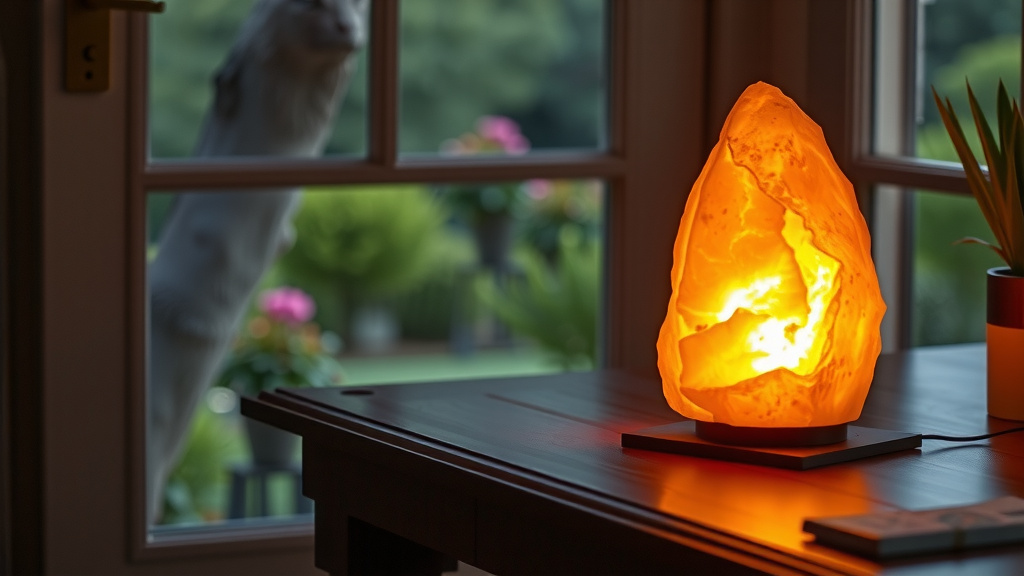
So, what makes your salt lamp tick? It’s a simple setup. You have a carved piece of Himalayan rock salt with a light bulb nestled inside. When you plug it in and turn it on, the bulb heats up, and the salt begins to glow. This warmth also plays a role in how the salt interacts with the air.
The Role of the Light Bulb Wattage
The type of light bulb you use is quite important for safe, continuous operation. We discovered that using a low-wattage bulb is key. Typically, a 15-watt or 25-watt incandescent bulb is recommended for most standard-sized salt lamps. These bulbs provide enough light to create that lovely glow without generating excessive heat.
Why is wattage so critical? Well, a higher wattage bulb would get much hotter. If a lamp gets too hot, it can potentially damage the salt, or worse, create a safety hazard. You want a gentle warmth, not a scorching heat. Always check the manufacturer’s recommendation for the correct bulb size and wattage for your specific lamp.
Ensuring a Stable and Safe Location
Where you place your salt lamp matters. We found that stability is a top priority for safe, long-term use. Your lamp should always sit on a flat, stable surface. Think of a sturdy table, a dresser, or a dedicated lamp stand. This prevents it from tipping over, especially if it gets bumped.
You also need to consider the environment around the lamp. Keep it away from places where it could easily get knocked over, like busy walkways or near the edges of furniture. A secure spot means peace of mind, allowing you to enjoy its ambiance without worry.
The Benefits of Continuous Use
Many users find that leaving their salt lamp on consistently enhances its appeal. When it’s always glowing, it contributes to a steady, relaxing mood in your living space. This constant presence can transform a room into a more tranquil sanctuary, perfect for unwinding after a long day.
Creating a Relaxing Ambiance
The soft, warm light from a Himalayan salt lamp is often compared to the gentle flicker of a candle. This type of light is known to promote relaxation and reduce stress. By keeping it on, you maintain this calming atmosphere around the clock, which can be particularly helpful in bedrooms or living areas.
We found that many people use their salt lamps as a night light. The low light output is just enough to navigate a dark room without being disruptive to sleep. It’s a much more soothing option than harsh overhead lights or the blue light emitted by electronic devices.
Circulating Air and Potential Health Claims
Some users believe that heated salt lamps can release negative ions into the air. The theory is that these ions can help neutralize pollutants and allergens. While research in this area is ongoing and not definitively proven by major health organizations, the concept appeals to many. You can find information on potential ion release from salt lamps in various user forums and health blogs.
When the lamp is on, the gentle heat can also help circulate air. This is a natural process that occurs when warm air rises. It’s a subtle effect, but it contributes to the overall freshness of the room. Keeping the lamp on ensures this gentle air movement is continuous.
Potential Concerns and How to Address Them
While leaving your salt lamp on is generally safe, there are a couple of things to keep an eye on. One of the most common concerns is sweating or “weeping.” Salt is hygroscopic, meaning it attracts moisture from the air.
Understanding Salt Lamp Sweating
If you live in a humid environment, you might notice a fine layer of moisture on your salt lamp. This is perfectly normal. The lamp is simply absorbing moisture from the air. If this happens, it’s actually a sign that the lamp is working and the bulb’s heat is helping to evaporate the moisture.
However, if your lamp is sweating excessively, it could mean it’s not getting warm enough. This might happen if the bulb wattage is too low, or if the lamp is in a very damp location. Keeping the lamp on, especially with the correct wattage bulb, helps to keep the surface dry.
What to Do About Excessive Moisture
If you see pooling water or significant dripping, it’s a good idea to address it. First, ensure you’re using the recommended bulb wattage. If it’s still too wet, try moving the lamp to a drier location. Sometimes, simply leaving the lamp on for longer periods can help evaporate the excess moisture. You might also want to place a small, absorbent coaster or mat underneath the lamp to protect your furniture.
Checking the Cord and Bulb
As with any electrical appliance, it’s wise to occasionally inspect the power cord and bulb socket. Look for any signs of wear or damage. If you notice fraying wires or anything that seems loose, discontinue use immediately and consider replacing the cord set. Regularly checking these components is a simple step that can prevent potential issues.
Quick Checklist for Safe Salt Lamp Use
To ensure your Himalayan salt lamp provides enjoyable and safe light, keep these points in mind:
- Always use a low-wattage bulb (15W or 25W).
- Place your lamp on a stable, flat surface.
- Keep the lamp away from excessive moisture or damp areas.
- If sweating occurs, ensure the bulb is warm enough.
- Periodically check the power cord for any signs of damage.
- Enjoy the ambient glow day and night!
Conclusion
You now know that your Himalayan salt lamp is designed for continuous enjoyment. Leaving it on all day and night is safe and can enhance your space. Just remember to use a low-wattage bulb and place it on a stable surface. This simple approach ensures you get the most out of its soothing glow and relaxing ambiance. Go ahead and let your salt lamp light up your life, worry-free!
Frequently Asked Questions
How many hours a day should a Himalayan salt lamp be on?
Your Himalayan salt lamp can be on 24/7. Many users prefer to leave it on continuously to maintain a consistent, calming atmosphere. There’s no strict time limit for its operation, as long as you’re following safety guidelines.
Can I use my salt lamp as a night light?
Yes, absolutely! The soft, warm glow makes them perfect as a night light. It provides enough light to see without being harsh or disruptive to sleep. Just ensure it’s placed in a secure spot if used in a bedroom.
What happens if I leave my salt lamp on too long?
Leaving your salt lamp on for extended periods is generally safe and even recommended for best results. The main concern isn’t “too long,” but rather using the incorrect bulb wattage, which could lead to overheating. Always stick to low-wattage bulbs.
Should I unplug my salt lamp when I’m not home?
It’s not strictly necessary to unplug your salt lamp when you’re not home, especially if you’re using the correct low-wattage bulb and it’s in a stable location. They are designed for continuous use. However, if you prefer to conserve a tiny bit of energy or want extra peace of mind, unplugging it is also fine.
Is it bad for the salt to be on all the time?
No, it’s not bad for the salt to be on all the time. In fact, keeping it on with a lit bulb helps to prevent it from absorbing too much moisture from the air, which can lead to sweating. Continuous use helps maintain its condition.