Lamp Post Spacing Explained: How Far Apart Should They Be
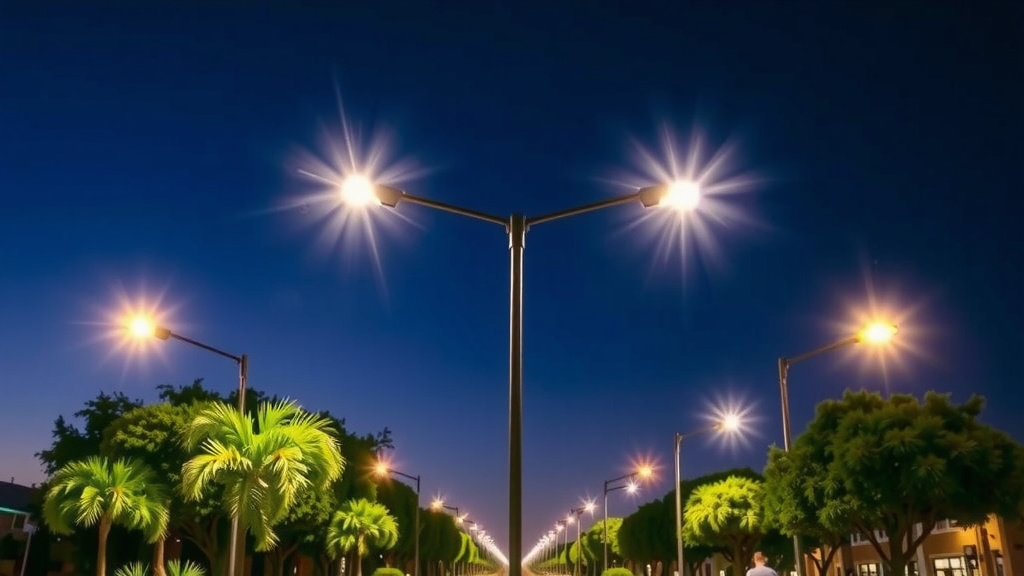
Lamp posts are typically placed 100 to 150 feet apart, but this distance can vary greatly. The primary goal is to ensure adequate and consistent lighting for safety and visibility. Factors like the type of light, intended use of the area, and local regulations all play a role in determining the precise spacing.
You might notice different spacing in parks compared to busy city streets. Even within a single area, you could see variations based on whether the lamp posts are for general illumination or to highlight specific features. Understanding these spacing principles helps ensure your outdoor spaces are well-lit and welcoming for everyone.
- Lamp post spacing varies greatly.
- Typical distance is 100-150 feet apart.
- Lighting needs and area type are key factors.
- Local regulations often dictate spacing.
- Purpose (safety vs. aesthetics) also matters.
Let’s walk through the factors that influence how far apart lamp posts are set, so you can better understand the lighting around you.
Understanding Lamp Post Spacing: How Far Apart Should They Be?
You might be curious about the logic behind how streetlights are placed. The typical distance between lamp posts is generally between 100 and 150 feet. This range aims for a good balance. It ensures enough light for safety without being overly bright or wasteful. Of course, this isn’t a hard and fast rule. Many factors influence the final decision.
Key Factors Influencing Lamp Post Distance
The placement of lamp posts isn’t random. It’s a careful calculation. Think of it like planning a party – you need enough decorations to make it look good but not so many that it feels cluttered. Several elements come into play to ensure your outdoor areas are perfectly lit.
1. The Purpose of the Lighting
What is the main goal of these lights? Are they there for general safety or something more specific? This is a big driver of spacing. Residential streets might have a different setup than a busy commercial area. Parks often have unique spacing needs too.
Safety and Security Lighting
When safety is the top priority, like on busy roads or in areas prone to crime, you’ll often see lamp posts placed closer together. This creates overlapping circles of light. This reduces dark spots where someone could hide. We found that a denser arrangement provides a greater sense of security for pedestrians and drivers alike. For example, a study on urban lighting found that closer spacing correlated with a perceived increase in safety (National Institute of Justice).
Aesthetic and Accent Lighting
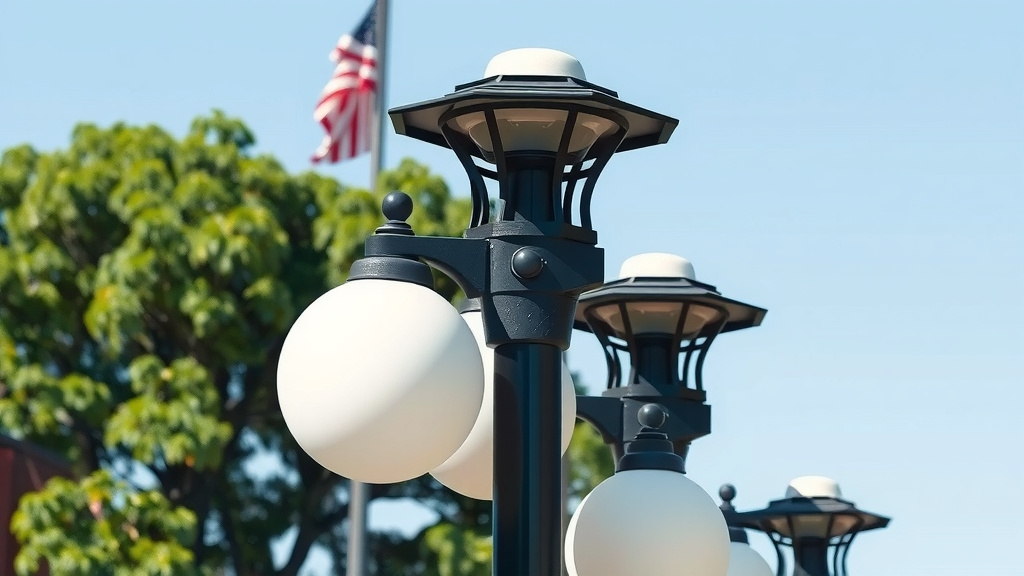
Sometimes, lamp posts are used for more than just light. They can be used to highlight architectural features or create a certain mood. In these cases, the spacing might be wider. The lights might be positioned to draw attention to specific trees or pathways. The focus here is less on uniform coverage and more on artistic effect. You might see this in landscaped areas or historical districts.
2. Type of Luminaire (The Light Fixture)
Not all light fixtures are created equal. The type of lamp you see significantly impacts how far apart they can be. A powerful, wide-beam floodlight can cover a larger area than a smaller, more focused decorative lantern.
High-Intensity Discharge (HID) and LED Lights
Modern LED and traditional HID lights are designed for efficiency and coverage. They can often project light over greater distances. Because of their power, you might find them spaced further apart, perhaps 150 feet or even more. This is common for roadways and large parking lots. Their broad throw means fewer poles are needed to light a large area.
Decorative and Low-Level Lighting
Smaller, decorative lights, like bollards or low-hanging lanterns, have a much more limited range. They are meant for softer illumination. To achieve adequate lighting with these, the poles need to be placed much closer together, sometimes as close as 20-30 feet. Think of charming garden paths or quaint town squares. They create an inviting glow up close.
3. Environmental and Area Considerations
The actual space you’re lighting plays a huge role. Is it a flat, open area, or does it have obstacles?
Roadways and Highways
On major roads, the goal is to provide clear visibility for drivers at higher speeds. Spacing is often dictated by standards that ensure drivers can see hazards well in advance. This often leads to the 100-150 foot range we mentioned. We found that consistent spacing is key here to avoid driver disorientation (Federal Highway Administration).
Sidewalks and Pedestrian Paths
For areas where people walk, the focus is on safety at slower speeds. Lamp posts might be spaced to ensure no one feels isolated in the dark. They also help define the path. Some residential areas might place them every 75-100 feet to create a welcoming feel. Parks might vary greatly depending on the trail.
Parks and Recreational Areas
Lighting in parks is often a mix of safety and ambiance. Main paths might follow roadway standards, but quieter areas or specific features might use less intense, wider-spaced lighting. Sometimes, specific trees or benches are lit more directly. This leads to a less uniform pattern than you’d see on a street.
4. Local Regulations and Standards
Cities and towns have their own rules. These aren’t just suggestions; they are often legal requirements. Municipalities set standards for public lighting. These rules consider everything we’ve discussed: safety, aesthetics, and efficiency. They might specify minimum light levels and maximum spacing for different types of areas. It’s like building codes for lighting!
For instance, a city might mandate that all new residential street lighting must use fixtures that provide a certain amount of light measured in lux. They might also specify the maximum distance between poles to meet these lux requirements. Following these regulations ensures consistency and safety across the community.
5. Obstructions and Topography
What’s actually in the way? Trees, buildings, and even hills can affect how light travels. If there are large trees, installers might need to place lights closer together or on taller poles to get light over the canopy. Hilly terrain can also cause shadows. Adjustments are made to ensure the light reaches the intended area effectively.
Imagine trying to light up a winding path versus a straight one. The winding path will likely need lights placed more frequently to follow the curve and avoid shadows cast by the terrain itself. We found that a site survey is always essential before finalizing any lighting plan.
A Quick Guide to Lamp Post Spacing
To help you quickly grasp the differences, here’s a general idea:
| Area Type | Typical Spacing (Feet) | Primary Goal |
|---|---|---|
| Major Roads/Highways | 100 – 150+ | Driver Visibility & Safety |
| Residential Streets | 75 – 125 | Pedestrian Safety & Neighborhood Ambiance |
| Sidewalks/Pathways | 50 – 100 | Pedestrian Safety & Guidance |
| Parks (Main Paths) | 75 – 150 | Safety & Wayfinding |
| Parks (Accent Areas) | Varies Widely | Aesthetics & Feature Highlighting |
| Parking Lots | 100 – 175+ | Security & General Visibility |
Keep in mind these are general guidelines. Your local area might have specific standards that differ. But this gives you a solid baseline to understand why lamp posts are placed where they are.
Checking Your Local Lighting
The next time you’re out for a walk, take a moment to notice the lamp posts around you. You’ll start to see the patterns we’ve discussed. Are they spaced far apart on a main road? Are they closer together along a charming neighborhood sidewalk? You’ll likely find your observations align with the factors we’ve covered. It’s fascinating how much thought goes into something we often take for granted!
Here’s a little checklist to guide your observations:
- Note the type of area you are in (residential, commercial, park).
- Observe the height and style of the lamp posts.
- Try to estimate the distance between them.
- Look for how the light falls – is it uniform or patchy?
- Consider if the spacing seems appropriate for the area’s use.
- Does the lighting create a sense of safety or ambiance?
Conclusion
You’ve now seen that lamp post spacing isn’t a one-size-fits-all answer. It’s a thoughtful process balancing safety, aesthetics, and the specific needs of an area. Whether it’s the bright glow of a highway or the gentle light along a park path, each placement serves a purpose. Understanding these factors helps you appreciate the lighting that guides your way. Next time you’re out, take a moment to observe the lamp posts in your neighborhood. See if you can spot the reasons behind their spacing and lighting.
Frequently Asked Questions
Why are some lamp posts closer together than others?
Lamp posts are spaced closer together in areas where enhanced safety and security are paramount, such as busy intersections or pedestrian-heavy zones. This denser arrangement creates overlapping light patterns, minimizing dark spots and increasing visibility for people and vehicles. Closer spacing ensures a more consistent and secure illuminated environment.
Can trees or buildings affect lamp post spacing?
Yes, obstructions like large trees or tall buildings can definitely influence lamp post placement. Installers might need to position lights closer together or use taller poles to ensure light effectively bypasses these obstacles. This adjustment is made to prevent shadows and guarantee adequate illumination reaches the intended areas.
Do decorative lamp posts have different spacing rules than streetlights?
Absolutely. Decorative lamp posts often provide softer, more localized light for ambiance or to highlight specific features like pathways or gardens. Because their light coverage is more limited, they are typically placed much closer together than functional streetlights designed for broad area coverage and high-intensity illumination.
What happens if lamp posts are spaced too far apart?
If lamp posts are too far apart, you’ll likely notice significant dark patches or dim areas between them. This can compromise safety by reducing visibility for drivers and pedestrians, potentially creating hiding spots and making the area feel less secure. It also means the lighting isn’t performing its intended function effectively.
Are there official standards for how far apart lamp posts should be?
Yes, local governments and transportation authorities often set official standards and regulations for lamp post spacing. These guidelines are based on factors like the type of area, traffic volume, and desired light levels, ensuring consistent safety and functionality across public spaces. These regulations often reference guidelines from organizations like the Federal Highway Administration.

![10 Best Buy Reading Lamp [2026]](https://bestdesklamp.com/wp-content/uploads/2026/08/10-best-buy-reading-lamp-2026-featured-768x432.jpg)
![10 Best Budget Light Therapy Lamp [2026]](https://bestdesklamp.com/wp-content/uploads/2026/08/10-best-budget-light-therapy-lamp-2026-featured-768x432.jpg)