How Lava Lamps Work: The Science Behind the Flow
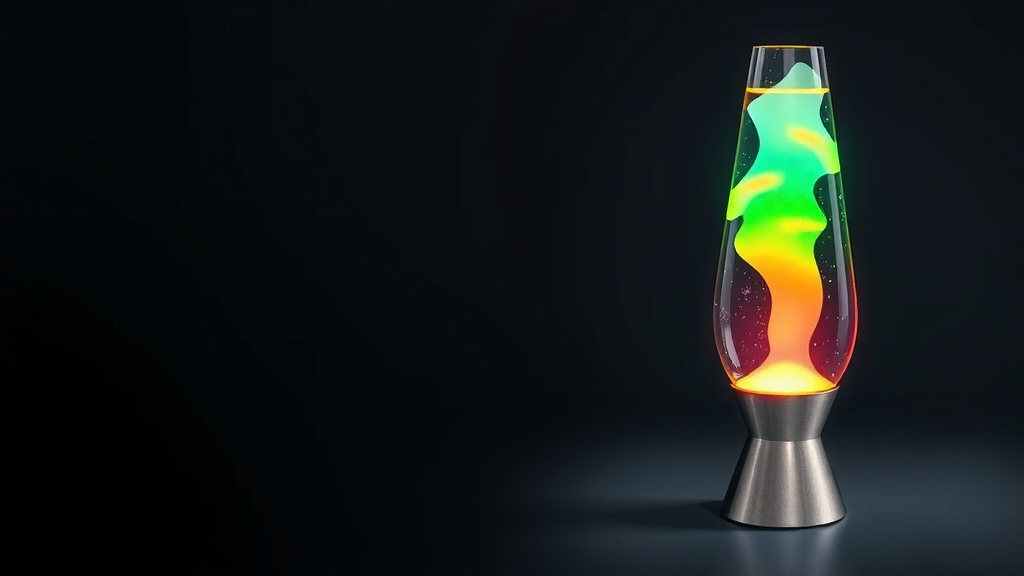
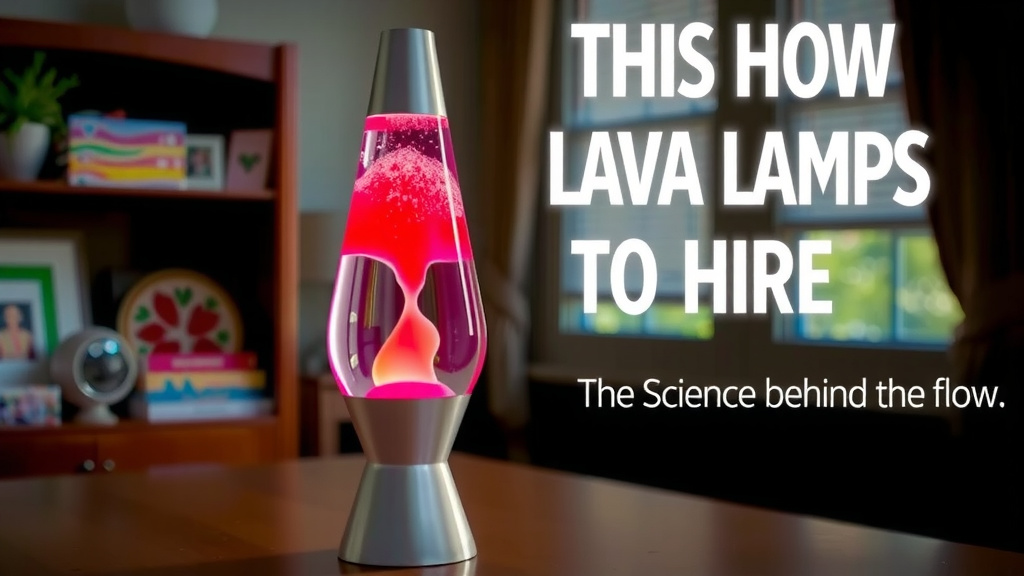
A lava lamp works because oil and water don’t mix, and a light bulb at the bottom heats up a colored wax. This heated wax becomes less dense than the surrounding water, causing it to rise in blobs. As it cools at the top, it becomes denser again and sinks back down, creating the mesmerizing, bubbly flow you see. It’s a cool dance of density and heat!
This science experiment uses simple principles to create a captivating visual effect. You’ll often find them described as a fun way to demonstrate chemical reactions, though it’s more about physics. Many people are curious about the science behind these groovy lamps, and it’s all thanks to the magic of buoyancy and convection.
- Lava lamps use the difference in density between oil and water.
- A light bulb heats colored wax at the bottom.
- Heated wax rises because it’s less dense than water.
- Cooled wax sinks as it becomes denser again.
- It’s a visual demonstration of convection currents.
Let’s break down exactly how your lava lamp creates that iconic, flowing effect, step by step.
Understanding the Science Behind Your Lava Lamp
Ever wondered how those colorful blobs in a lava lamp just keep on moving? It’s a fascinating dance of physics right in your living room! You might think it’s a complex chemical reaction, but it’s actually a clever demonstration of how liquids behave when heated.
The Magic of Density and Buoyancy
At its heart, your lava lamp is all about density. Density is basically how much “stuff” is packed into a certain amount of space. Things that are denser are heavier for their size. Things that are less dense are lighter for their size.
The lamp contains two main liquids: water and a special oil-based wax. These two liquids don’t mix, which is a key ingredient. Imagine trying to mix salad dressing; the oil and vinegar separate. This is similar, but with different densities playing the starring role. The oil and water don’t mix, which is key to the homemade lava lamp effect.
Why Don’t Oil and Water Mix?
This happens because of how their molecules are structured. Water molecules are polar, meaning they have a slight electrical charge. Oil molecules are non-polar. Like magnets, polar molecules are attracted to each other, and non-polar molecules are attracted to each other. They don’t really want to hang out with the “other team,” so they stay separate (National Science Foundation).
How Density Affects Movement
In your lava lamp, the water is denser than the wax mixture when it’s cool. This means the wax blobs, being less dense, would naturally float on top of the water if left alone. But a light bulb at the bottom changes everything!
The Role of Heat: Convection Currents at Play
The light bulb in the base of the lava lamp does more than just provide light; it’s the engine for the entire show. Its primary job is to heat the colored wax at the very bottom of the lamp.
When Wax Gets Hot
When the wax is heated, its molecules spread out. This makes the wax less dense than the surrounding water. Think about how hot air rises; it’s a similar principle. The warmed wax becomes buoyant and starts to float upwards.
As the less dense, warm wax blobs rise, they move away from the heat source. At the top of the lamp, they encounter the cooler air. Here, they begin to cool down.
Cooling Down and Sinking
As the wax cools, its molecules get closer together again. This process makes the wax denser. When the wax becomes denser than the surrounding water, gravity takes over, and the blobs start to sink back down towards the heat source.
Once the cooled wax reaches the bottom, it’s heated again by the light bulb. The cycle then repeats: heat, expand, rise, cool, contract, sink. This continuous process is what creates the mesmerizing, ever-changing patterns you love to watch.
The Science of Convection
This heating and cooling cycle is a perfect example of convection. Convection is the transfer of heat through the movement of fluids (liquids or gases).
In your lava lamp, the water itself also plays a role in transferring heat. As the warm wax rises, it heats the water around it. This slightly warmer water can rise, while cooler water sinks, creating gentle currents within the lamp. This heat transfer helps the wax blobs cool down more effectively at the top.
Why the Specific Ingredients?
Lava lamps aren’t just filled with any old oil and water. The specific types of liquids and waxes are carefully chosen. They need to have densities that are very close to each other when at room temperature.
This close density match means the blobs won’t just shoot to the top or sink immediately. The slight difference allows the heating and cooling cycle to have enough influence to create the slow, gentle movement. If the density difference were too large, the effect wouldn’t be as dramatic or smooth.
| Component | Role in the Lava Lamp | Scientific Principle |
|---|---|---|
| Water | The main liquid medium; carries heat | Polar molecule; denser than cool wax |
| Oil-based Wax | Forms the colorful “lava” blobs | Non-polar molecule; changes density with heat |
| Light Bulb | Heats the wax at the bottom | Energy source for density change |
| Container | Holds the liquids and wax; allows observation | Transparent material |
What You Can Observe and Learn
Watching a lava lamp is like a science lesson disguised as art. You can see scientific principles in action without even trying!
- Density Changes: Observe how the wax blobs change size slightly as they heat and cool.
- Buoyancy: Notice how the less dense, warm wax rises against gravity.
- Convection Currents: Look for the gentle movement in the water as heat is transferred.
It’s a fantastic way to introduce concepts like density, buoyancy, and convection in a fun and visual way. Many educational sites suggest using a lava lamp as a teaching tool for these very reasons (National Science Teaching Association).
Troubleshooting Common Lava Lamp Issues
Sometimes, your lava lamp might not behave as expected. Don’t worry, it’s usually a simple fix related to the science.
- Lamp Not Heating Up: Make sure the bulb is working and properly seated. The heat is essential for the wax to flow. Make sure the bulb is working and properly seated; using the correct bulb is essential for the wax to flow.
- Wax All Stuck at the Top: This can happen if the lamp has been on too long or is in a very warm room. The wax might be staying too hot and thus too dense. Let it cool down completely for several hours.
- Wax All Stuck at the Bottom: The lamp might not be getting hot enough, or the wax is too dense. Ensure the bulb is the correct wattage.
- Cloudy Liquid: This can sometimes happen with age or if the lamp was shaken. It doesn’t usually affect the function too much.
Remember, lava lamps are designed to run for several hours at a time and then cool down. Constant heating can sometimes cause issues. Letting it rest between uses is often the best practice.
Conclusion
You’ve now seen how your lava lamp is a captivating display of basic physics principles. It’s all about the interplay of density, buoyancy, and heat transfer through convection. The magic happens as the colored wax heats up, becomes less dense, and rises, only to cool, become denser, and sink back down. This cycle creates the mesmerizing, continuous flow you enjoy watching. Try observing these cycles the next time you turn on your lamp and see the science in action!
Frequently Asked Questions
Can I use any type of oil and water for a DIY lava lamp experiment?
For the best results in a DIY experiment, it’s recommended to use specific types of oil and water. Vegetable oil and tap water are commonly used. However, the exact composition of commercial lava lamp wax is proprietary and designed for optimal density and viscosity changes with heat, so a homemade version might not be as consistent.
Why does the wax blob stick to the top sometimes?
If your wax blobs are sticking to the top, it usually means they are not cooling down enough to become dense again. This can happen if the room is too warm or if the lamp has been running for an excessively long time. Allowing the lamp to cool down completely for several hours can resolve this issue.
What happens if I shake a lava lamp?
Shaking a lava lamp can disrupt the separation between the oil and water-based wax, potentially causing the liquid to become cloudy. While it might eventually separate again, it can sometimes create small, permanent bubbles or make the liquid permanently cloudy, affecting the visual appeal.
How long should I run my lava lamp?
Lava lamps are typically designed to run for about 4-6 hours at a time. Running them continuously for much longer periods can overheat the components, potentially leading to the issues mentioned earlier, like wax sticking to the top. Letting the lamp cool down between uses is best for its longevity.
Is a lava lamp a chemical reaction?
While often mistaken for one, a lava lamp’s mesmerizing movement is not a chemical reaction. It’s a physical process driven by changes in density and heat transfer. The wax and liquid don’t chemically change; they simply expand when heated and contract when cooled, altering their buoyancy.
![10 Best Color Changing Floor Lamp [2026]](https://bestdesklamp.com/wp-content/uploads/2026/09/10-best-color-changing-floor-lamp-2026-featured-768x432.jpg)