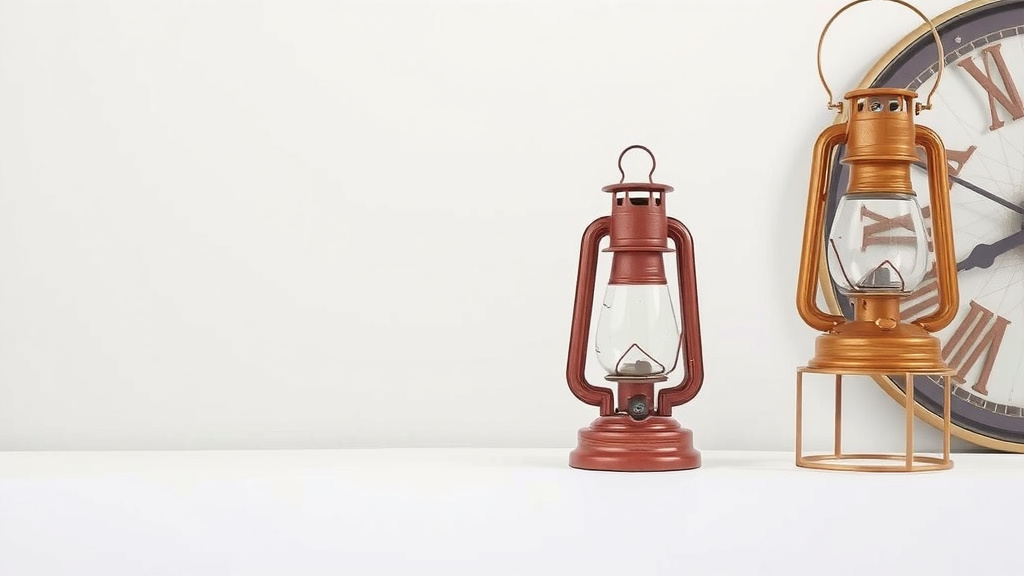
Is Your Oil Lamp Valuable? A Collector’s Guide
You’re wondering if that old oil lamp gathering dust is worth something. Many antique oil lamps can be quite valuable, but not all of them. Determining your lamp’s worth depends on its age, maker, condition, and rarity. You’ll want to look for specific marks and features to get a good idea.
We found that some lamps are sought after by collectors for their unique designs or historical significance. Your lamp might be a hidden gem if it’s made by a well-known manufacturer or has an uncommon style. Even a lamp in less-than-perfect shape can still hold value if it’s a rare find.
- Check for maker’s marks.
- Assess the lamp’s condition.
- Research its age and style.
- Consider its rarity.
Let’s walk through how to figure out if your oil lamp has a collector’s appeal and a price tag to match.
Figuring Out Your Oil Lamp’s Worth
So, you’ve got an oil lamp and you’re wondering if it’s more than just a dusty decoration. Many oil lamps can be surprisingly valuable antiques. We found that collectors are often on the hunt for specific types of lamps. Let’s find out if yours is one of them.
Look for the Maker’s Mark
The first step in assessing your lamp’s potential worth is to search for a maker’s mark. Think of it like a signature from the company that made it. These marks can be stamped, etched, or even molded into the metal or glass base of the lamp. You might find them on the bottom, under the burner, or on the wick adjustment knob.
Common Places to Find Marks
- On the underside of the base.
- Underneath the burner assembly.
- Inside the fuel reservoir.
- On metal fittings or collars.
Many reputable lamp manufacturers, like Aladdin, Miller, and P&A, used distinct logos or names. If you find a mark, a quick online search can often tell you who made it. This information is a huge clue to its potential value. Some makers are simply more collectible than others.
Assess the Lamp’s Condition
The condition of your lamp plays a major role in how much it’s worth. Even a rare lamp can lose value if it’s damaged. Look closely for any cracks, chips, or significant dents. Is the glass cloudy or stained? Is the metal tarnished or corroded? Are all the parts, like the burner and chimney, present and in good working order?
Key Condition Points to Check
- Glass: Look for chips, cracks, or significant scratches. Is the glass original?
- Metal: Check for rust, deep pitting, or missing plating.
- Wick Mechanism: Does the adjuster turn smoothly? Is it complete?
- Overall Structure: Is the lamp stable? Are there loose parts?
A lamp in mint condition, meaning it looks almost new, will always command a higher price. However, even lamps with minor imperfections can still be desirable, especially if they are rare or made by a sought-after maker. Collectors often accept small flaws if the lamp is hard to find. Just be realistic about the impact of damage on its overall value.
Researching Age and Style
The era your oil lamp was made and its style are critical factors. Old oil lamps can range from the mid-1800s to the early 1900s, with different styles being popular in different periods. Knowing the approximate age helps determine its historical context and potential appeal.
Identifying the Era and Style
What does your lamp look like? Is it made of clear glass, colored glass, or metal? Does it have ornate decorations or a simple, utilitarian design? Lamps from the Victorian era (late 19th century) often feature elaborate patterns and heavy bases. Early kerosene lamps tend to be more functional in design. Many experts say that identifying the specific style can help narrow down the date of manufacture (National Association of Oil Lamp Collectors).
Types of Oil Lamps and Their Value Potential
Different types of oil lamps have varying levels of collector interest. We found that some categories are particularly popular:
| Lamp Type | Potential Value Factors |
|---|---|
| Gone With the Wind Lamps | Large, often round, decorated globe lamps with floral or scenic patterns. Rarity of design and condition are key. |
| Victorian Lamps | Elaborate glass or brass lamps, often with detailed metalwork and colored glass shades. Originality is important. |
| Dietz and Other Kerosene Lanterns | Industrial or agricultural lanterns. Collectible for their history and working condition. |
| “Fairy” Lamps | Small, decorative lamps with a domed shade meant to cover a candle or small oil burner. Often made of colored glass. |
Simply having an old lamp doesn’t automatically make it valuable. It’s the combination of age, design, and historical significance that often drives collector demand.
Considering Rarity and Desirability
Even if your lamp isn’t a household name in terms of manufacturers, it could still be valuable if it’s rare or highly desirable. Some lamps were produced in limited quantities, making them harder to find. Other lamps might be desirable because of a unique feature, a beautiful color, or a historical connection.
What Makes a Lamp Rare?
- Limited Production Runs: Some companies made special runs of lamps for events or specific retailers.
- Unusual Materials or Colors: A lamp made in a color that wasn’t common, or with a unique material, can be rare.
- Early Prototypes or Samples: These are almost always rare and highly sought after.
- Specific Patented Designs: Lamps with unique, patented mechanisms or decorative elements can be more collectible.
We found that rarity alone isn’t enough. The lamp also needs to be something collectors actively want. A rare lamp that no one collects won’t have much market value. Think about which lamps you see advertised most often or that appear in collector forums. Those are the ones with demand.
Get an Expert Opinion (When Needed)
If you’ve done your research and think your lamp might be a true find, consider getting a professional appraisal. An experienced antique dealer or appraiser can provide a realistic valuation based on current market trends. They have seen countless lamps and know which ones fetch the highest prices.
Sometimes, an appraisal fee is worth it for peace of mind or to understand the true potential of your find. It’s also a good idea to check recent auction results for similar lamps. This can give you a good idea of what collectors are willing to pay right now.
Your Oil Lamp Value Checklist
Ready to sum it up? Here’s a quick checklist to help you assess your lamp:
- Mark Check: Did you find any maker’s marks?
- Condition Report: Is the lamp in good, fair, or poor condition?
- Age Estimate: Can you approximate when it was made?
- Style Identification: Does it fit a known decorative style?
- Rarity Factor: Does it seem uncommon?
- Desirability Score: Is this a style collectors look for?
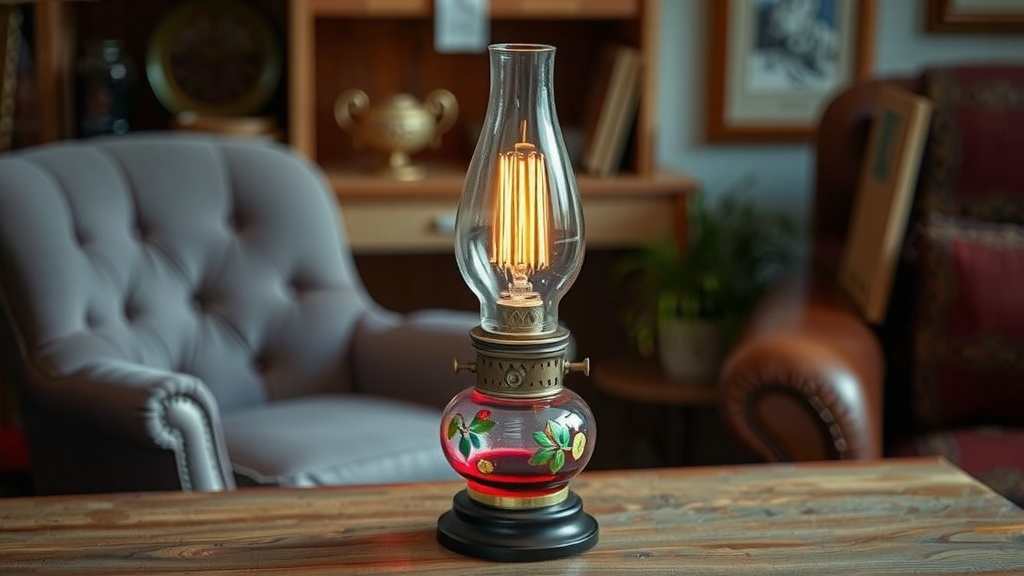
Conclusion
You’ve learned that spotting a valuable oil lamp involves looking beyond just its age. We found that its maker’s mark, overall condition, unique style, and how rare it is all play a part. Even a lamp with a few flaws can be a keeper if it’s a scarce find or made by a well-regarded company. Your next step? Take a close look at your lamp, use this guide, and see what hidden potential it might hold. Happy hunting!
Frequently Asked Questions
How old does an oil lamp need to be to be considered valuable?
There’s no strict age cutoff, but lamps from the mid-1800s to the early 1900s are often most collectible. However, a rare or exceptionally well-designed lamp from a slightly later period could still be quite desirable.
What if my oil lamp has a chip or crack? Can it still be worth something?
Yes, it can. While mint condition is ideal, collectors will often overlook minor chips or cracks on lamps that are particularly rare or historically important. The degree of damage and the lamp’s overall desirability will determine how much it affects the value.
Are modern reproductions of old oil lamps ever valuable?
Generally, reproductions are not as valuable as authentic antiques. Collectors are typically looking for items with historical significance and original craftsmanship. It’s rare for a modern reproduction to hold significant monetary worth compared to an original piece.
What is the best way to find out if my specific oil lamp is rare?
Research is key. Look for maker’s marks and then search online databases, collector forums, and antique lamp books. Comparing your lamp to examples with known production numbers or limited release information will help you gauge its rarity.
Should I try to repair my old oil lamp myself?
We advise caution when attempting repairs yourself. Improper cleaning or restoration can actually decrease a lamp’s value. For valuable lamps, it’s often best to consult with a professional antique restorer who understands historical materials and techniques.



![10 Best Affordable Table Lamps [2026]](https://bestdesklamp.com/wp-content/uploads/2026/09/10-best-affordable-table-lamps-2026-featured-768x432.jpg)