Fog Lamp vs Headlight: Key Differences
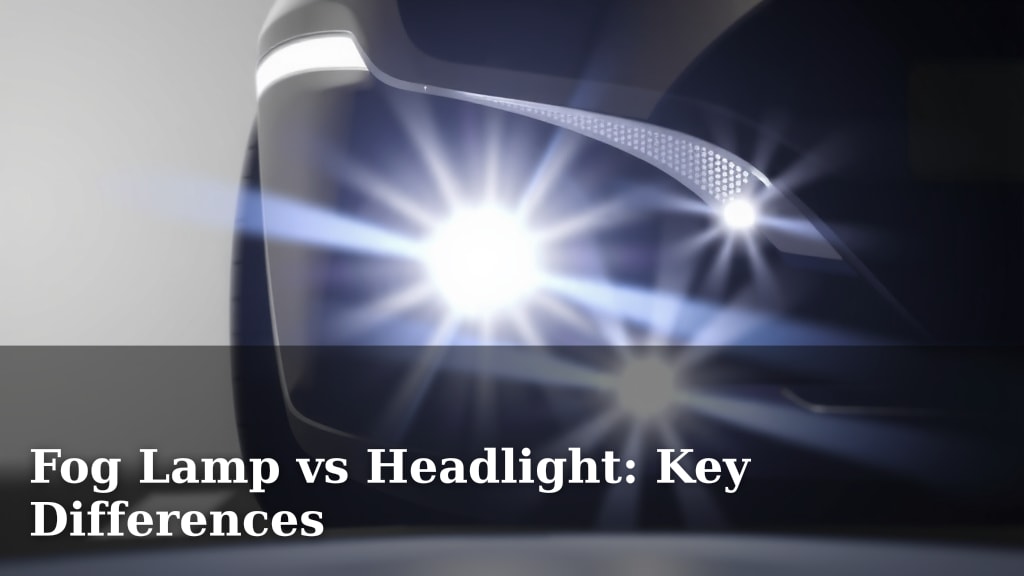
Fog lamps and headlights might look similar, but they have very different jobs on your car. Your headlights are for seeing the road ahead at night. Fog lamps are designed to cut through poor visibility conditions like fog or heavy rain. They are mounted lower on your vehicle. This placement helps them see under the fog.
Many drivers aren’t sure when to use each light. Using the wrong light can actually make it harder to see. Headlights provide a broad beam. Fog lights give a low, wide beam. Understanding the difference helps you drive safer. It also keeps you from blinding other drivers.
- Headlights are your primary driving lights at night.
- Fog lamps are for low visibility, like fog or snow.
- Fog lamps sit lower on your car than headlights.
- They offer a wider, lower beam to see through weather.
- Using fog lamps in clear weather can be blinding.
Let’s break down exactly what makes them different and when you should use them.
“`htmlHeadlights vs. Fog Lights: What’s the Big Difference?
You might be wondering why your car has both headlights and fog lights. They both shine light, right? While that’s true, their purpose and design are quite different. Think of headlights as your main eyes for driving at night. Fog lights are more like specialized goggles for tough weather.
Understanding this difference is key to safe driving. It means you can actually see better when conditions get tricky. Plus, you won’t be that driver annoying everyone else with blinding lights. Let’s break down what makes them distinct and when each one shines.
Understanding Your Headlights: The Primary Beam
Your headlights are designed for one main job: illuminating the road ahead. They provide a bright, widespread beam. This helps you see far enough to react to hazards and stay in your lane at night. Most cars have two headlights, typically mounted on the front of the vehicle. They are usually the highest lights on your car’s front.
Headlight Design and Purpose
Research shows headlights are engineered to cast a beam forward. This beam is designed to cover a wide area in front of your car. They aim to give you good visibility for speeds typically driven at night. There are different types, like halogen, LED, and HID. Each offers varying brightness and lifespan.
The main goal of headlights is to help you see the road and avoid obstacles. They are your go-to lights for driving after sunset. They help you see far enough ahead to safely navigate. Without them, driving at night would be nearly impossible.
When to Use Your Headlights
The rule is pretty simple: use your headlights whenever it’s dark. This includes nighttime driving. It also applies during twilight hours, like dawn and dusk. If you need to use your windshield wipers, it’s often a good time to turn on your headlights too. This is because reduced visibility often accompanies rain.
Many states have laws requiring headlights to be on during these times. It’s not just about seeing; it’s about being seen by other drivers. Having your headlights on makes your vehicle more visible to others on the road, especially in low-light conditions.
Exploring Fog Lights: Seeing Through the Haze
Fog lights are your specialized tools for when visibility drops significantly. They are not meant for general nighttime driving. Instead, they are specifically designed to cut through conditions like thick fog, heavy rain, or snow. Their placement and beam pattern are what set them apart.
The Unique Design of Fog Lights
The most striking difference is their placement. Fog lights are mounted lower on your car than headlights. Often, they are found near the bumper. This low position is intentional. It helps the light beam travel underneath the fog or mist, rather than reflecting off it.
Their beam pattern is also different. Instead of a long, forward beam, fog lights emit a wide, flat, and short beam. This pattern illuminates the road surface directly in front of your car. It helps you see road markings and the edges of the road when visibility is poor. Many experts say this low, wide beam prevents glare.
When to Use Your Fog Lights
You should use your fog lights only when visibility is severely reduced. This means dense fog, heavy snowfall, or torrential rain. Imagine you can’t see more than 50-100 feet ahead. That’s a good indicator to turn them on. They are your allies in these challenging weather scenarios.
It’s important to remember that fog lights can be quite blinding to other drivers. If the weather clears up, you should turn them off immediately. Using them in clear conditions is unnecessary and can lead to you being a nuisance. Some cars have automatic fog light settings, but manual control is common.
Direct Comparison: Headlights vs. Fog Lights
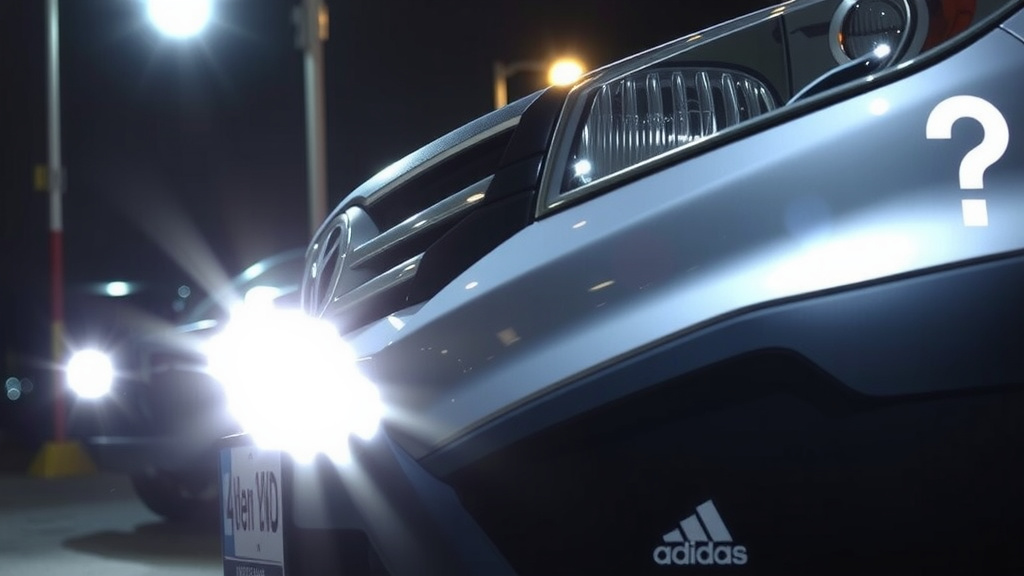
Let’s put their differences side-by-side so you can get a clear picture. It’s like comparing a floodlight to a work lamp. One is for general illumination, the other for focused tasks in difficult conditions.
| Feature | Headlights | Fog Lights |
|---|---|---|
| Primary Purpose | General nighttime driving visibility | Cutting through fog, rain, snow |
| Beam Pattern | Long, forward, wide | Short, wide, flat, low |
| Mounting Position | Higher on the vehicle | Lower on the vehicle (near bumper) |
| Best Use Conditions | Nighttime, low light, clear weather | Dense fog, heavy rain, snow |
| Effect in Clear Weather | Effective illumination | Can be blinding and ineffective |
As you can see, they serve very different functions. Headlights are your everyday nighttime heroes. Fog lights are the specialists called in for the tough jobs.
Why Using the Wrong Light Matters
So, why is it a big deal to use the wrong lights? Imagine you’re driving in clear weather with your fog lights on. That low, wide beam might seem helpful, but it can reflect off the clear air. This reflection can create a bright glare. It might actually reduce your visibility. Worse, it blinds oncoming drivers. This increases the risk of accidents.
On the flip side, if you’re in dense fog and only use your headlights, you might not see as well as you could. The headlight beam can bounce off the fog particles. This creates a wall of light in front of you. It’s called light scattering. It can make it harder to see the road ahead. Fog lights are designed to avoid this problem.
A Quick Checklist for Proper Light Usage
To make things simple, here’s a quick rundown. Keep this in mind the next time you’re on the road:
- Night Driving? Turn on your headlights.
- Rainy or Snowy? If visibility is poor, use headlights.
- Dense Fog or Heavy Snow? That’s prime time for fog lights.
- Road Markings Hard to See? Fog lights might help here.
- Weather Clears Up? Turn off fog lights immediately.
- Other Drivers Flashing You? Your lights might be too bright or misused.
Using your lights correctly is a sign of a thoughtful and safe driver. It ensures you can see, and others can see you. It also means you aren’t making conditions worse for anyone else on the road.
“`Conclusion
Understanding the distinct roles of your headlights and fog lights is vital for safe driving. Your headlights are your primary tool for seeing the road at night and being seen by others. They provide a broad, forward beam designed for general visibility. Fog lights, on the other hand, are specialized for harsh conditions. Their low, wide beam cuts under fog and rain, helping you see road markings when visibility is extremely poor. Using the right light at the right time prevents glare, improves your vision, and ensures you’re not blinding other drivers. Next time you’re on the road, take a moment to assess the conditions and select the appropriate lights.
Frequently Asked Questions
When should I turn on my fog lights?
You should only use your fog lights when visibility is severely reduced, such as in dense fog, heavy snowfall, or torrential rain. If you can’t see more than about 50-100 feet ahead, it’s a good time to use them. They are designed to help you see through these challenging conditions.
Can fog lights hurt my night vision in clear weather?
Yes, using fog lights in clear weather can actually make it harder for you to see. Their low, wide beam can reflect off the air, creating glare that reduces your visibility. It also tends to blind oncoming drivers, which is unsafe and often against the law.
Are fog lights required by law?
In most places, fog lights are not a required piece of equipment on a vehicle. However, there are often laws regarding their proper use. You are typically required to turn them off when visibility improves or when driving in clear conditions to avoid blinding other motorists.
What’s the main difference in beam pattern between headlights and fog lights?
Headlights produce a longer, more forward-focused beam to illuminate the road ahead at a distance. Fog lights, conversely, emit a shorter, wider, and flatter beam that spreads out close to the ground. This pattern is optimized for seeing under low-lying obstructions like fog or mist.
If it’s raining, should I use headlights or fog lights?
For light rain, your headlights are usually sufficient, especially if visibility is only slightly reduced. However, if the rain is very heavy and you’re struggling to see road markings or the edges of the road, turning on your fog lights in addition to your headlights can improve your vision.
![10 Best Arco Lamp Replica [2026]](https://bestdesklamp.com/wp-content/uploads/2026/09/10-best-arco-lamp-replica-2026-featured-768x432.jpg)
![10 Best Ceiling Lamps For Living Room [2026]](https://bestdesklamp.com/wp-content/uploads/2026/08/10-best-ceiling-lamps-for-living-room-2026-featured-768x432.jpg)
![10 Best Desk Lamp For Dark Office [2026]](https://bestdesklamp.com/wp-content/uploads/2026/09/10-best-desk-lamp-for-dark-office-2026-featured-768x432.jpg)