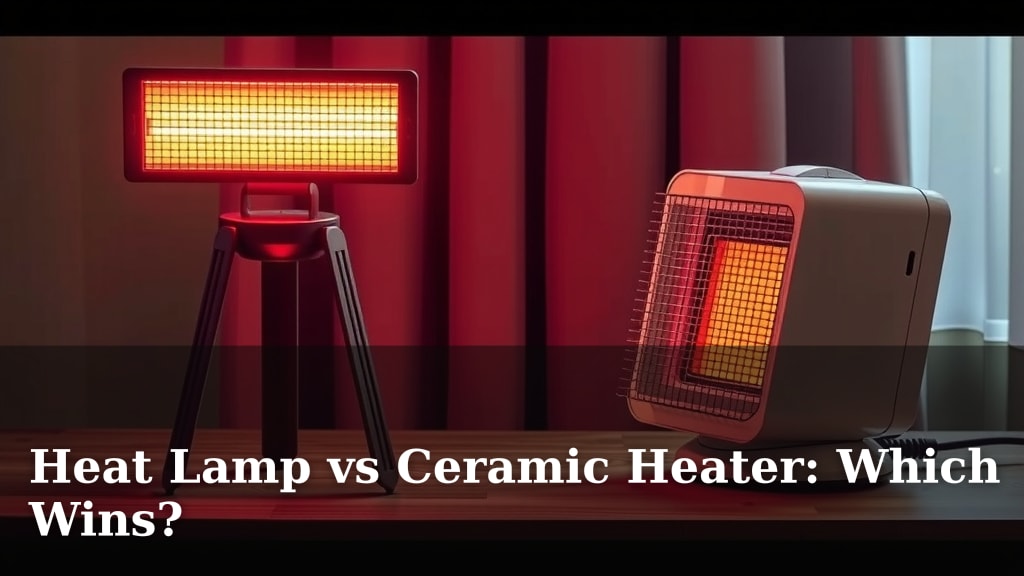
Heat Lamp vs Ceramic Heater: Which Wins?
When heating a space, both heat lamps and ceramic heaters have their place. A heat lamp is generally best for instant, directional warmth, like warming a specific spot. A ceramic heater is better for warming an entire room more evenly and safely over time.
We found that choosing the right heater depends on what you need. Do you want to heat just your hands under a desk, or warm up your whole garage? Understanding their differences helps you pick the perfect one for your home. Many experts suggest considering the area size and heating speed you require.
- Heat lamps offer quick, focused heat.
- Ceramic heaters provide steady, room-wide warmth.
- Consider safety features for areas with kids or pets.
- Think about energy efficiency for long-term costs.
Let’s break down the pros and cons of each so you can make the best choice for your needs.
“`htmlHeat Lamp Versus Ceramic Heater: Making Your Best Choice
When you need to warm up a chilly space, you have a few good options. Two popular choices are heat lamps and ceramic heaters. We’ve looked into what makes each one tick. A heat lamp is great for quick, focused warmth. Think of it like a sunny spot on a cool day. Ceramic heaters, on the other hand, are designed to warm an entire room. They do this more slowly but often more evenly.
Your decision really comes down to your specific needs. Are you trying to thaw out your toes under your desk? Or perhaps you need to make your whole basement more comfortable? Understanding these differences helps you pick the right tool for the job. Many experts suggest considering how large the area is you need to heat and how quickly you need it to warm up.
Understanding Heat Lamps: The Speedy Spot Warmer
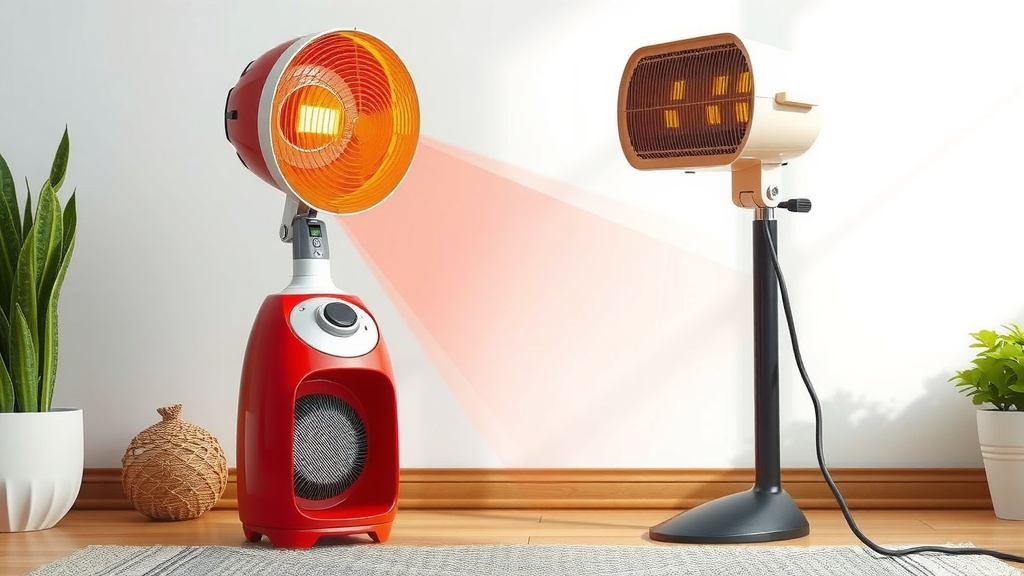
Heat lamps are designed to give off immediate warmth. They work by emitting infrared radiation. This radiation travels through the air and heats objects it directly strikes. Your skin will feel warm very quickly once you are in its beam. This makes them ideal for targeted heating.
How Heat Lamps Work
You’ve probably seen heat lamps used in bathrooms to warm you up right out of the shower. They can also be found in kitchens, keeping food warm. Some people even use them in workshops or garages to create a warm zone for working. They use a bulb, much like a light bulb, but designed to produce heat.
Pros of Heat Lamps
- Instant Heat: You feel the warmth almost immediately.
- Directional: You can point the heat exactly where you want it.
- Portable: Many models are small and easy to move around.
- Cost-Effective (for short bursts): They use less energy for quick heating tasks.
Cons of Heat Lamps
- Limited Heating Area: They only warm what they can directly “see.”
- Safety Concerns: The bulbs get very hot. This is a risk around children or pets.
- Can Dry Out Air: Some people find they make the air feel dry.
- Noisy Operation: Some models can be quite loud.
Exploring Ceramic Heaters: The Room-Enveloping Warmth
Ceramic heaters offer a different approach to warming up a space. They use ceramic plates that heat up. A fan then blows air across these plates, distributing the warm air into the room. This process is more gradual but can warm a whole area more consistently.
The Mechanics of Ceramic Heating
Think of a ceramic heater like a mini furnace for a single room. It draws in cooler air, passes it over its heated ceramic elements, and pushes out warmer air. This continuous circulation helps to raise the overall temperature of the room. Many modern ceramic heaters have thermostats and safety features.
Advantages of Ceramic Heaters
- Room-Wide Heating: They are designed to warm entire rooms, not just a spot.
- Consistent Temperature: They maintain a steady warmth once the room reaches the desired temperature.
- Safety Features: Many include tip-over switches and overheat protection.
- Quieter Operation: Generally, they are much quieter than other heater types.
Disadvantages of Ceramic Heaters
- Slower Heating: It takes time for them to warm up an entire room.
- Energy Use: Running them for extended periods can increase your electricity bill.
- Fan Noise: While quieter than some, the fan still makes noise.
- Can Feel Less Intense: The warmth is spread out, so it might not feel as direct as a heat lamp.
Direct Comparison: Heat Lamp vs. Ceramic Heater
Let’s put them side-by-side to see where each shines. We found that the best choice depends entirely on what you need the heater to do.
| Feature | Heat Lamp | Ceramic Heater |
|---|---|---|
| Heating Speed | Very Fast | Slow to Moderate |
| Heating Area | Focused Spot | Entire Room |
| Primary Use | Instant, personal warmth | Consistent room temperature |
| Safety (General) | Requires caution (hot bulb) | Often has advanced safety features |
| Energy Use (Short Term) | Lower | Higher (to warm a whole room) |
| Energy Use (Long Term) | Can be high if used constantly | Can be efficient for maintaining room temp |
When to Choose a Heat Lamp
You’ll want a heat lamp when your goal is rapid, targeted warmth. Imagine sitting at your desk on a cold morning. You could place a small heat lamp under your desk to keep your legs and feet toasty. Or maybe you have a pet that loves to bask in warmth. A heat lamp can create a perfect little warm spot for them. Many guidelines suggest they are a good choice for temporary, personal heating (CDC).
When to Opt for a Ceramic Heater
If you’re looking to make a whole room more comfortable, a ceramic heater is likely your winner. Think about a drafty home office or a basement playroom. A ceramic heater can gradually raise the temperature of the entire space. This provides a more even and sustained comfort. Many experts recommend them for steady, background heating.
Safety First: Protecting Your Loved Ones
Safety is a big deal, especially if you have children or pets running around. Heat lamps have a very hot bulb that stays hot for a while. This can be a burn risk if touched. Some models also have exposed heating elements. You need to keep them well away from curtains or anything flammable.
Ceramic heaters often come with built-in safety features. Many have a tip-over switch. This automatically shuts off the heater if it’s accidentally knocked over. Overheat protection is also common. This stops the heater if it gets too hot inside. Always check for these features when shopping. The U.S. Fire Administration recommends keeping portable heaters at least three feet away from anything that can burn.
Energy Efficiency and Your Wallet
How much will it cost to run your heater? Heat lamps use energy quickly to produce that instant heat. For a few minutes of warmth, they can be quite efficient. But if you leave one on for hours, your energy bill could climb. They are like a quick sprint – powerful but not meant for long distances.
Ceramic heaters can use more power upfront to start warming the air. However, many have thermostats. They will cycle on and off to maintain your set temperature. This can make them more efficient for longer periods. They are more like a steady jog, conserving energy over time. We found that choosing a model with a good thermostat can save you money in the long run.
Making Your Final Decision: A Quick Checklist
To help you decide, ask yourself these questions:
- Do you need heat right away, or can you wait?
- Is it for just you, or for a whole room of people?
- Are there children or pets who might touch the heater?
- How long do you plan to run the heater each day?
- What’s your budget for both the purchase and running costs?
By answering these, you’ll be well on your way to picking the perfect heating companion for your space.
“`Conclusion
Choosing between a heat lamp and a ceramic heater comes down to your specific needs. Heat lamps offer instant, directed warmth, perfect for quickly heating a small area or yourself. They’re like a personal sunbeam on a chilly day. Ceramic heaters, conversely, excel at gradually warming an entire room, providing a more consistent and widespread comfort. Consider safety features, especially around children and pets, and think about how long you’ll be using the heater to manage energy costs.
Your best bet is to assess if you need rapid, spot heating or steady, room-wide warmth. Make your choice based on these key differences, and you’ll enjoy a more comfortable space all season long.
Frequently Asked Questions
Can I use a heat lamp to warm up my whole bedroom?
Generally, no. Heat lamps are designed for focused, directional heat. They warm objects directly in their beam but won’t effectively raise the overall temperature of a large room like a bedroom. You’d likely feel warmth only in a small zone.
Are ceramic heaters safe to leave on overnight?
Many modern ceramic heaters come with safety features like tip-over switches and overheat protection, making them safer for extended use. However, it’s always wise to follow the manufacturer’s instructions and ensure the area around the heater is clear of flammable materials.
Which type of heater is more energy-efficient for a small office?
For a small office where you need consistent warmth for an extended period, a ceramic heater with a thermostat is usually more energy-efficient. It can cycle on and off to maintain your set temperature, whereas a heat lamp would constantly consume power to provide warmth.
Are heat lamps a fire hazard?
Heat lamps can pose a fire hazard if not used properly. Their bulbs get extremely hot and can ignite nearby flammable materials like curtains or paper. Always keep them at a safe distance from anything that can burn and never leave them unattended.
Can a ceramic heater dry out the air in a room?
While they are not typically as drying as some other heating methods, the fan in a ceramic heater can circulate air, which may lead to some reduction in humidity. If you find the air too dry, using a humidifier alongside your ceramic heater can help maintain a comfortable balance.
![10 Best Contemporary Lamp Shade [2026]](https://bestdesklamp.com/wp-content/uploads/2026/09/10-best-contemporary-lamp-shade-2026-featured-768x432.jpg)
![10 Best Cordless Led Nail Lamp [2026]](https://bestdesklamp.com/wp-content/uploads/2026/09/10-best-cordless-led-nail-lamp-2026-featured-768x432.jpg)