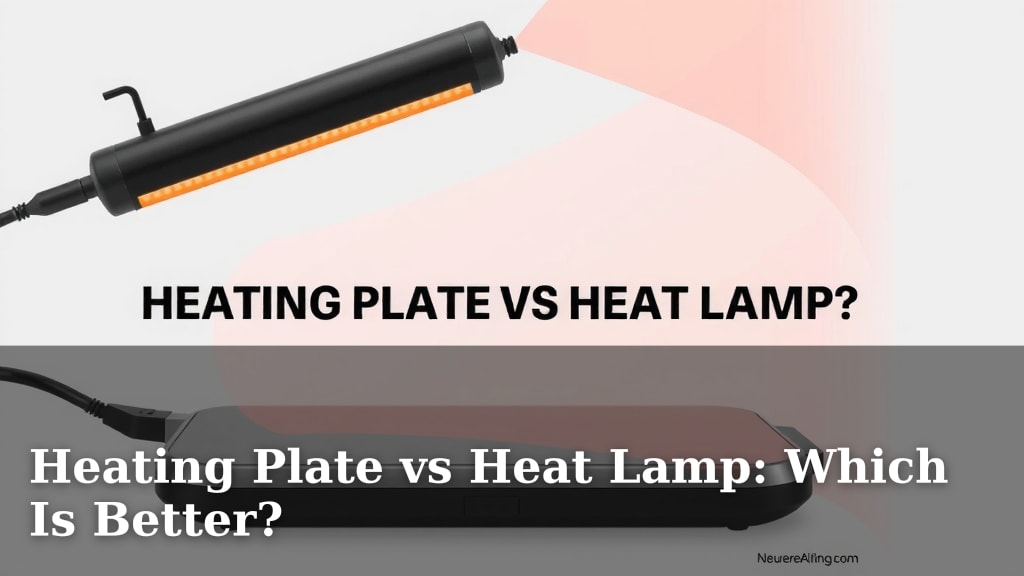
Heating Plate vs Heat Lamp: Which Is Better?
When choosing between a heating plate and a heat lamp, the best option depends on your specific needs. For consistent, broad surface warming, a heating plate is generally better. Heat lamps are ideal for targeted, intense heat in a specific area.
We’ve looked at how both devices work. Heating plates provide gentle, even warmth across a surface. Heat lamps emit directed, hotter energy. Understanding these core differences helps you decide which is right for your situation, whether for pets, plants, or specific projects.
- Heating plates offer steady, even warmth.
- Heat lamps provide focused, intense heat.
- Consider your need for broad vs. targeted heating.
- The best choice depends on what you’re warming.
Below, we break down the pros and cons of each so you can make an informed choice.
Heating Plate vs. Heat Lamp: Making the Right Choice
Deciding between a heating plate and a heat lamp might seem tricky at first. But once you understand how they work and what they’re best for, it becomes much clearer. Think of it like choosing between a cozy blanket and a focused spotlight. Both provide warmth, but in very different ways. We’re here to help you figure out which one will be your perfect match.
Understanding Heating Plates: Even, Gentle Warmth
A heating plate is designed to give off heat evenly across its entire surface. It’s like a warm hug for whatever is placed on top of it. This type of heat is consistent and spread out. It’s excellent for keeping things at a steady, moderate temperature over a larger area.
How Heating Plates Work
Heating plates typically use electric coils or a resistance wire embedded within a solid material. When electricity flows through, the coils heat up. This heat then transfers to the plate’s surface. The material of the plate itself helps to distribute the warmth uniformly. This prevents hot spots and ensures a gentle, stable warmth.
Where Heating Plates Shine
You’ll often find heating plates used for keeping food warm in kitchens or cafeterias. In a home setting, they’re fantastic for reptile habitats. A snake or lizard needs a broad, warm area to bask on, and a heating plate provides just that. They’re also great for starting seeds indoors, giving those little sprouts a gentle, consistent heat from below.
Exploring Heat Lamps: Directed, Intense Energy
A heat lamp, on the other hand, focuses its energy. It’s like a mini sunbeam. This device is built to send out radiant heat in a specific direction. If you need to warm up a particular spot or provide a more intense heat source, a lamp is often the way to go.
The Technology Behind Heat Lamps
Heat lamps work by converting electricity into infrared radiation. This is similar to the heat you feel from the sun. They often use special bulbs, like ceramic heat emitters or infrared bulbs. These bulbs emit heat that travels through the air to warm surfaces and objects directly in their path. The intensity can be quite high in the targeted zone.
Best Uses for Heat Lamps
Heat lamps are perfect for creating a “hot spot” for animals. Think of a chick brooder or a reptile enclosure where a specific area needs to be much warmer than the rest. They can also be useful in workshops for drying paint or glue quickly. If you need to warm a specific area quickly, a heat lamp is a great tool.
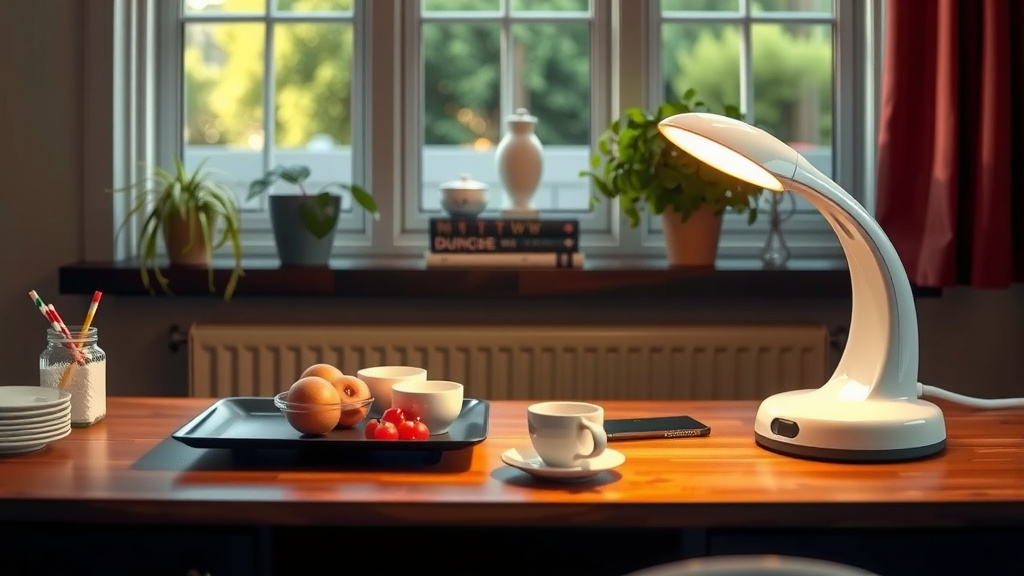
Heating Plate vs. Heat Lamp: A Direct Comparison
Let’s break down the key differences side-by-side. Understanding these points will help you see which device fits your needs best. It’s not about one being “better” overall, but rather which is “better” for your specific task.
Key Differences in Heat Distribution
The main distinction lies in how they deliver heat. A heating plate offers broad, ambient warmth. It’s like the difference between warming your whole room versus warming just your hands by a fire. A heat lamp provides concentrated, directional heat. You feel its warmth strongly right where it’s pointed.
Safety Considerations
Both devices require careful handling, but their risks differ. Heating plates can pose a burn risk if touched directly, especially if they are very hot. They also need to be kept dry to avoid electrical hazards. Heat lamps get very hot and can be a fire hazard if placed too close to flammable materials. Many experts recommend keeping them at a safe distance (CDC).
For animals, it’s vital that neither device creates an environment that is too hot or too cold. Animals must be able to move away from the heat source if they get too warm. This is easier to manage with a well-designed heat lamp setup where there’s a gradient of temperatures. With heating plates, ensuring there’s a cooler zone is equally important.
Energy Efficiency and Cost
Generally, heating plates tend to be more energy-efficient for maintaining a consistent, lower temperature over a large area. Heat lamps can consume more power because they are designed to produce intense heat rapidly. However, if you only need to heat a small spot for a short period, a heat lamp might use less energy overall than a plate that’s on all the time.
The initial cost can vary. Simple heating plates are often quite affordable. High-end, thermostat-controlled plates can cost more. Heat lamps can also range from inexpensive bulb fixtures to more complex setups with adjustable thermostats and safety cages.
| Feature | Heating Plate | Heat Lamp |
|---|---|---|
| Heat Type | Even, Radiant (from surface) | Directed, Radiant (from bulb) |
| Coverage | Broad Area | Specific Spot |
| Intensity | Moderate, Consistent | High, Focused |
| Best For | Basking areas, seed starting, general warming | Creating hot spots, drying, targeted heating |
| Risk of Overheating Area | Lower (if properly sized) | Higher (needs careful placement) |
Making Your Final Decision: What’s Your Goal?
To choose wisely, ask yourself a few key questions. What exactly are you trying to warm? Do you need to keep a whole enclosure at a steady temperature, or do you need one specific spot to be significantly hotter?
If you need a gentle, consistent warmth that covers a good portion of the space, a heating plate is likely your best bet. Think about providing a comfortable, widespread warm zone for a pet or ensuring your seedlings get a mild, even boost. It’s about creating a cozy environment.
If you need to deliver intense heat to a particular spot, or if you need to warm something up quickly, a heat lamp is probably the better choice. Imagine needing to dry some paint or create a distinct basking spot for a cold-blooded pet. It’s about focused power.
Here’s a quick checklist to help you decide:
- Do you need even heat across a surface?
- Is a specific “hot spot” your main goal?
- How large is the area you need to heat?
- What is the temperature requirement?
- Are you trying to create a gradient of heat?
- What is your budget for the device and energy use?
Conclusion
So, you’ve learned that the heating plate and heat lamp aren’t rivals, but tools with different strengths. A heating plate offers that steady, gentle warmth for broad areas, perfect for creating a comfortable zone. Meanwhile, a heat lamp provides that powerful, focused heat for specific spots. Your choice truly hinges on your goal: widespread comfort or targeted warmth. Before you decide, consider what you’re warming, the space it needs, and the temperature you want to achieve. Now, go ahead and pick the right tool for your needs!
Frequently Asked Questions
Can I use a heat lamp to keep a whole room warm?
While a heat lamp can warm a small area intensely, it’s not ideal for heating an entire room. They are designed for targeted heat, like creating a basking spot. For whole-room warmth, you’d typically need a different type of heater.
Is a heating plate safe for overnight use with pets?
Heating plates can be safe for overnight use if they are properly sized and installed, with a thermostat to regulate temperature. Ensure your pet can always move to a cooler area if they become too warm. Always follow the manufacturer’s safety guidelines.
Which is better for starting seedlings: a heating plate or a heat lamp?
For starting seedlings, a heating plate is generally preferred. It provides gentle, consistent warmth across the entire base of the pots, encouraging even germination. A heat lamp might be too intense and could dry out the soil or damage delicate sprouts.
How close can I safely place a heat lamp over my reptile’s enclosure?
The safe distance for a heat lamp varies greatly depending on the bulb’s wattage and type, and the specific needs of your reptile. It’s crucial to use a thermometer to monitor the basking spot temperature and adjust the lamp’s height until it’s right for your pet. Always aim for a temperature gradient so your pet can thermoregulate.
Do heating plates use a lot of electricity?
Heating plates tend to be quite energy-efficient for maintaining a consistent, moderate temperature over a larger surface. Their energy consumption is generally lower than high-intensity heat lamps when used for continuous, widespread warming. However, always check the wattage specifications for the exact model.


![10 Best Craft Floor Lamp [2026]](https://bestdesklamp.com/wp-content/uploads/2026/09/10-best-craft-floor-lamp-2026-featured-768x432.jpg)