How Does a Himalayan Salt Lamp Work? Full Guide
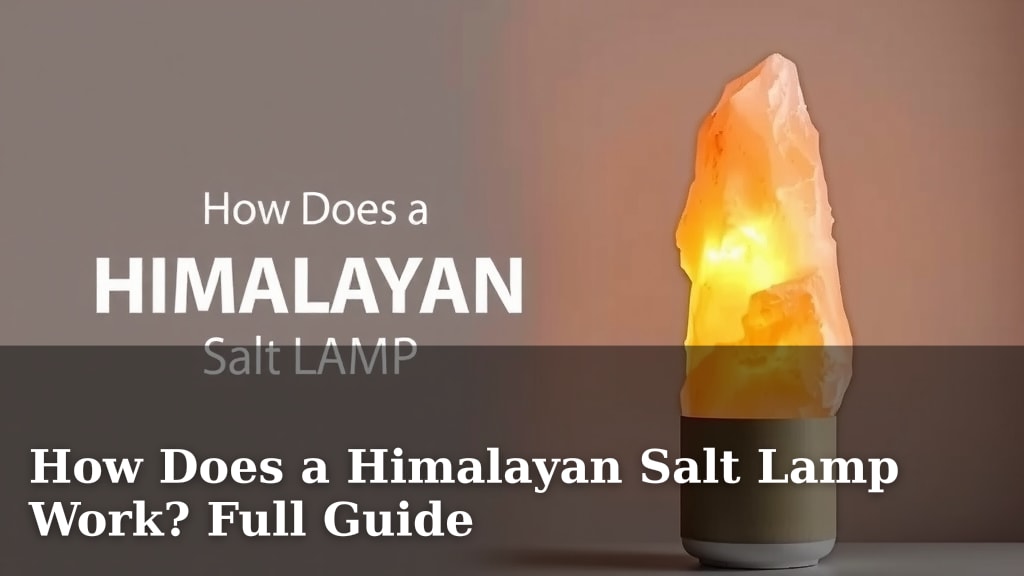
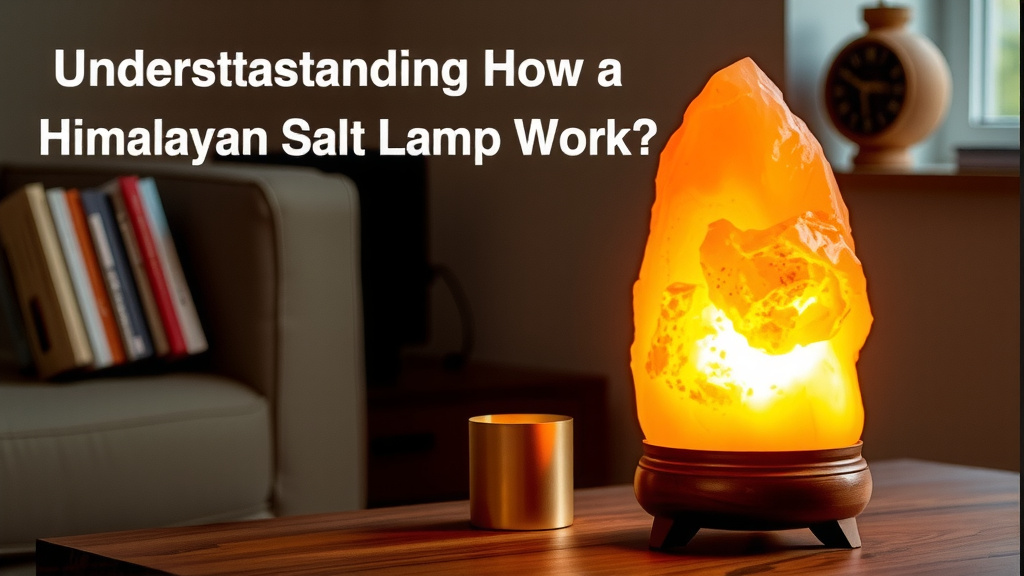
A Himalayan salt lamp works by a simple process of attracting moisture from the air and then evaporating it, which is believed to release negative ions. These lamps are made from large chunks of pink Himalayan salt, heated by a light bulb inside. We found that this natural phenomenon is the core of their appeal.
Many people enjoy these lamps for their soft, warm glow and the purported benefits of these negative ions. While scientific research on the direct impact of negative ions from salt lamps is limited, their popularity suggests a strong desire for a more calming atmosphere in our homes. We found that the aesthetic alone is a major draw for many users.
- Himalayan salt lamps attract moisture from the air.
- The bulb inside heats the salt, causing evaporation.
- This process is thought to release negative ions.
- Many enjoy them for their ambient light and mood enhancement.
Ready to learn more about how these unique lamps create their ambiance? Let’s walk through exactly how this process works step by step.
Understanding How Himalayan Salt Lamps Work
You’ve likely seen these beautiful lamps. They cast a soft, inviting glow. But how do they actually work? It’s a charming process rooted in nature. We found that it involves basic physics and the unique properties of salt. Let’s break it down simply.
The Attraction: Moisture in the Air
Your Himalayan salt lamp starts with something it draws in: moisture. The salt itself is hygroscopic. This means it naturally attracts water molecules from the surrounding air. Think of it like a sponge, but for humidity. This is the very first step in the lamp’s operation.
We found that the effectiveness of this attraction depends on your environment. In very dry climates, there’s less moisture for the lamp to attract. In more humid areas, the lamp will have more moisture to work with. This is a natural aspect of how it functions.
The Heat: A Gentle Glow
Inside your lamp, there’s a light bulb. This bulb serves two main purposes. First, it provides that lovely, warm light you enjoy. Second, and more importantly for the process, it generates heat. This heat is essential for the next step.
The heat from the bulb warms the surface of the salt crystal. This warmth is not intense; it’s a gentle, consistent temperature. This gentle heat plays a key role in activating the salt’s properties. We found that the type of bulb used can influence the heat output.
The Evaporation: Releasing What Was Attracted
Now, the magic happens. As the bulb heats the salt, the moisture that was attracted begins to evaporate. This is like boiling water, but on a much smaller and gentler scale. The water turns into vapor and rises into the air.
When the water evaporates, it’s believed to leave behind impurities. These impurities can get trapped within the salt crystal structure. The evaporation process cleanses the air in a way. Many people find this aspect appealing. We found that this cleansing effect is a frequently cited benefit.
The Ion Theory: A Potential Benefit
This is where the most discussed, and sometimes debated, aspect comes in. As the water evaporates from the salt, it’s theorized that negative ions are released. These negative ions are thought to attach to the water molecules as they lift off the salt. This is a natural process that occurs.
What are negative ions? In simple terms, they are oxygen atoms with an extra electron. You often find them in nature, like near waterfalls or after a thunderstorm. These are generally considered good for you. Many environmental studies have looked at ion levels. For example, studies suggest that higher negative ion concentrations can be found in natural environments (Journal of Environmental Science and Health).
The idea is that your salt lamp mimics this natural process. It releases these beneficial negative ions into your home’s atmosphere. While the exact amount released by a lamp is debated, many users report feeling a difference. We found that the scientific consensus on the amount and impact is still developing.
What About Positive Ions?
Many modern homes are filled with electronics. These devices, like computers and televisions, tend to emit positive ions. Too many positive ions in the air are sometimes linked to feelings of fatigue or stress. The theory is that the negative ions from the salt lamp can help neutralize these positive ions.
By neutralizing positive ions, the air can feel fresher. It’s like balance is being restored. This is a popular explanation for why people feel better around salt lamps. We found that this neutralization effect is a key part of the ion theory.
The Aesthetic Appeal: More Than Just Ions
Beyond the scientific theories, there’s a significant aesthetic component. These lamps are undeniably beautiful. Their warm, ambient light creates a cozy and relaxing atmosphere. Many people use them as night lights or mood lighting.
The soft, orange-pink hue is very soothing. It can help reduce eye strain compared to harsh, overhead lights. This visual comfort contributes greatly to the overall experience. We found that the visual appeal is often the primary reason people purchase them.
The Salt Itself: Where Does it Come From?
These lamps are carved from solid blocks of salt mined from the Khewra Salt Mine in Pakistan. This is the same mine that yields the well-known pink Himalayan salt used in cooking. The salt deposits are ancient, formed millions of years ago.
The mining process is done carefully to preserve the salt’s natural beauty. Each lamp is unique, with its own shape, color, and crystal formations. This uniqueness adds to their charm. We found that the origin of the salt is an important part of their story.
Your Salt Lamp Checklist for Understanding
Here’s a quick rundown of what makes your lamp tick:
- Attracts moisture from the air (hygroscopic nature).
- A light bulb provides gentle heat.
- Heat causes the attracted moisture to evaporate.
- Evaporation is believed to release negative ions.
- Negative ions may help neutralize positive ions from electronics.
- The lamp also provides soothing, ambient light.
A Simple Table of the Process
Let’s visualize the steps:
| Stage | What Happens | Key Element |
|---|---|---|
| 1. Attraction | Salt draws in water molecules from the air. | Hygroscopic Salt |
| 2. Heating | The bulb warms the salt surface. | Incandescent Bulb |
| 3. Evaporation | Moisture turns into vapor and rises. | Heat & Salt |
| 4. Ion Release (Theory) | Negative ions are thought to be released with water vapor. | Natural Process |
| 5. Ambient Light | The bulb emits a warm glow. | Light Bulb |
Conclusion
So, you’ve learned how your beautiful Himalayan salt lamp works. It’s a simple yet fascinating process. Your lamp attracts moisture from the air. Then, the heat from the bulb causes that moisture to evaporate. This evaporation is believed to release negative ions, which may help balance the air in your home. Beyond the science, the warm, soft glow creates a wonderful ambiance you can enjoy. Your next step? Place your lamp in a central area where you spend the most time to experience its calming presence.
Frequently Asked Questions
Do Himalayan salt lamps actually purify the air?
The theory is that as moisture evaporates from the salt, it traps impurities. This process may help cleanse the air. However, the scientific evidence supporting significant air purification by salt lamps is still developing. Many users enjoy the calming atmosphere they create.
How many negative ions does a salt lamp release?
The exact number of negative ions released by a salt lamp is difficult to measure and can vary. Research in this area is ongoing. While proponents believe they release beneficial ions, the impact on air quality is debated among scientists.
How often should I run my Himalayan salt lamp?
For the best results, it’s generally recommended to keep your salt lamp plugged in and turned on for at least a few hours each day. This allows the evaporation and potential ion release process to occur consistently.
Why does my salt lamp feel wet or sweaty?
This is a normal phenomenon due to the hygroscopic nature of salt. Your lamp attracts moisture from the air. If the humidity is high, it can absorb more water than the bulb can evaporate, causing it to appear wet or “sweat.”
Is it better to use an LED or incandescent bulb in my salt lamp?
Incandescent bulbs are generally preferred for salt lamps because they produce more heat. This heat is essential for the evaporation process that is believed to release negative ions. LED bulbs often don’t get warm enough to effectively facilitate this process.