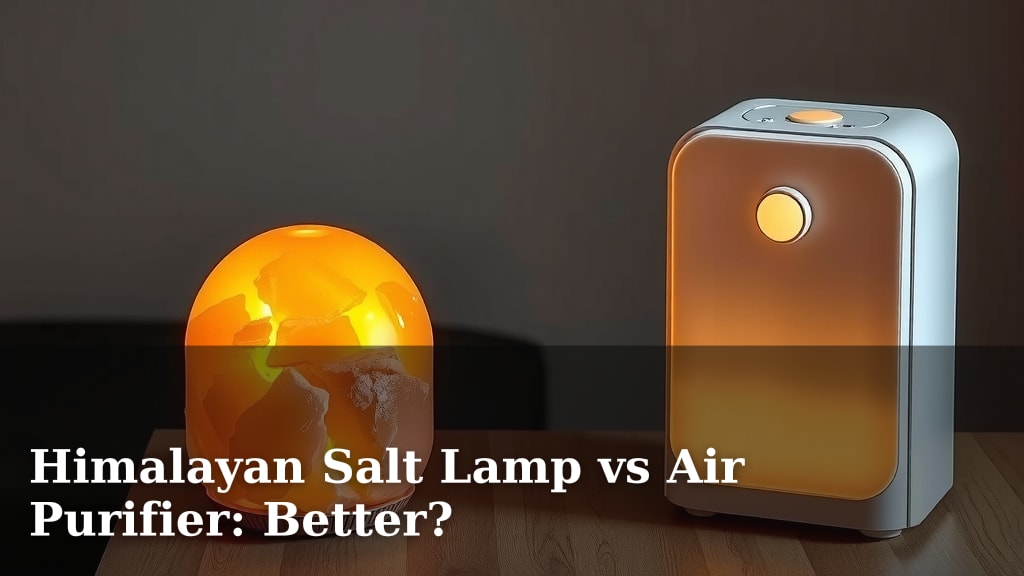
Himalayan Salt Lamp vs Air Purifier: Better?
When choosing between a Himalayan salt lamp and an air purifier, an air purifier is the clear winner for genuinely improving your indoor air quality. While salt lamps offer a cozy ambiance and some anecdotal benefits, they don’t actively clean the air like a dedicated purifier does. Think of it this way: a salt lamp is like a mood light, while an air purifier is a hardworking health appliance. We found that the science behind air purification is robust, unlike the claims surrounding salt lamps.
Many people are drawn to Himalayan salt lamps for their alleged health perks, like reducing allergens and ionization. We looked into this, and research suggests these benefits are often overstated or unproven. Air purifiers, on the other hand, use advanced filtration systems to physically remove pollutants. They are designed to tackle things like dust, pet dander, mold spores, and even microscopic particles that salt lamps simply cannot touch. Your health is important, so understanding the real function of each device is key.
- Air purifiers actively filter and clean your air.
- Himalayan salt lamps are primarily decorative.
- Air purifiers remove allergens and pollutants.
- Salt lamp benefits are largely unproven by science.
- Choose an air purifier for actual air quality improvement.
So, which one is right for your home’s air? Let’s break down what each does and what you can realistically expect.
Himalayan Salt Lamp Versus Air Purifier: Which Is Better for Your Home?
When you’re thinking about improving your home’s air, it’s natural to wonder about different gadgets. You might have heard about Himalayan salt lamps and their purported benefits. We’ve looked into this, and the reality is that air purifiers are far more effective at cleaning your air. Salt lamps are mainly for decoration. Let’s get into why.
Understanding What an Air Purifier Actually Does
An air purifier is designed with one main job: to clean your air. It actively draws air into the unit. Then, it passes that air through a series of filters. These filters trap particles like dust, pollen, pet dander, and smoke. Many also tackle odors and VOCs (volatile organic compounds). We found that a good air purifier can significantly reduce airborne allergens and pollutants in your home.
How Air Purifiers Filter Your Air
Most air purifiers use multiple stages of filtration. A pre-filter catches larger particles like hair. A HEPA filter is the workhorse. It captures 99.97% of particles 0.3 microns in size. This includes microscopic stuff like mold spores and bacteria. Some purifiers also have activated carbon filters. These are great for absorbing smells and chemicals. We found that HEPA filtration is a key indicator of an effective air purifier.
The Science Behind Air Purification
The effectiveness of air purifiers is backed by scientific principles. Filtration is a physical process. Particles are simply caught by the filter material. Numerous studies have shown that air purifiers can reduce indoor air pollutants. For example, the Environmental Protection Agency (EPA) states that air purifiers can help improve indoor air quality by removing particles. We found that air purifiers offer a tangible solution for allergy sufferers and those sensitive to air quality.
Examining the Claims of Himalayan Salt Lamps
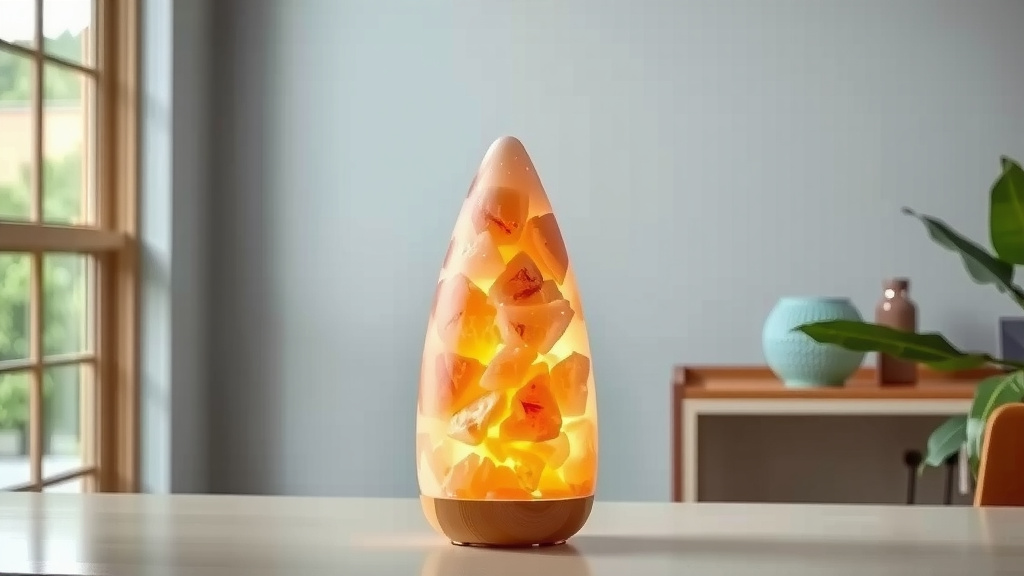
Himalayan salt lamps are beautiful, warm, and create a cozy atmosphere. They are made from salt crystals mined from the Punjab region of Pakistan. The lamps emit a soft, pinkish glow when a light bulb inside heats them. Many people believe they offer health benefits. These claims often center around ionization and air purification. We looked closely at these ideas.
The Ionization Theory: Does it Hold Up?
One popular claim is that salt lamps release negative ions. These ions are said to attach to positively charged particles like dust and allergens. This supposedly makes them heavier, causing them to fall to the floor. It’s also suggested these negative ions can neutralize airborne pathogens. However, we found that research does not strongly support these claims for salt lamps. Studies suggest that salt lamps emit very few, if any, negative ions. Even those that do emit them are often not in sufficient quantities to impact air quality significantly.
Salt Lamps and Air Cleaning: What We Found
Can a salt lamp actually clean your air? The short answer is no, not in any meaningful way. While it’s sometimes said that the salt crystals attract water vapor from the air (hygroscopy), and this water can trap pollutants, this process is extremely limited. The amount of air that comes into contact with the lamp’s surface is minimal. We found that there’s little to no scientific evidence to suggest that Himalayan salt lamps actively purify the air. They are beautiful decorative items, but not air cleaning devices.
Health Benefits: Anecdotal vs. Proven
Many users report feeling better when using salt lamps. They might feel calmer or notice fewer allergy symptoms. These are often anecdotal reports. It’s possible that the soft light can be relaxing. It might also create a more pleasant ambiance, which can positively affect mood. However, these are not direct results of the lamp cleaning your air. We found that the claimed health benefits are not scientifically proven. The American Lung Association, for instance, does not recommend salt lamps for air purification.
Direct Comparison: Air Purifier vs. Salt Lamp
Let’s put them side-by-side. You can see the difference in their primary functions and effectiveness.
| Feature | Air Purifier | Himalayan Salt Lamp |
|---|---|---|
| Primary Function | Actively cleans air using filters | Decorative ambient lighting |
| Air Cleaning Mechanism | HEPA and carbon filtration | Very limited hygroscopy; minimal ion emission |
| Allergen Reduction | Proven effective | Not proven |
| Odor Removal | Effective (especially with carbon filters) | Not effective |
| Scientific Support | Strong | Weak to none for air cleaning claims |
| Energy Use | Moderate to high, depending on model | Low (for the bulb) |
What’s the Real Impact on Your Home?
An air purifier is a tool for health. It directly addresses airborne contaminants. If you struggle with allergies, asthma, or live with pets, an air purifier makes a difference. It removes things that can make you sneeze, cough, or feel unwell. A salt lamp, on the other hand, adds to your home’s decor. It can make a room feel warmer and more inviting. We found that your health goals are best met by an air purifier.
Making the Right Choice for Your Air Quality Goals
So, where does this leave you? Your decision depends on what you want to achieve. Do you want to actively improve the air you breathe? Or are you looking for a decorative piece with a relaxing glow?
A Quick Checklist for Your Decision
To help you decide, consider these points:
- Do you have allergies or asthma?
- Are pets or smokers in your home?
- Do you want to reduce dust and dander?
- Are you concerned about odors or airborne germs?
- Are you looking for a proven health benefit or aesthetic appeal?
If you answered “yes” to the first five questions, an air purifier is the practical choice. If your main goal is ambiance, a salt lamp can be a lovely addition to your decor. We found that prioritizing actual air cleaning means choosing a dedicated air purifier.
Conclusion
When you’re looking to improve your home’s air, it’s clear that a dedicated air purifier is your best bet. We found that while Himalayan salt lamps offer a lovely ambiance, their air-cleaning abilities are not supported by science. Air purifiers, on the other hand, use proven filtration methods like HEPA filters to actively remove allergens and pollutants. They provide a tangible benefit for your health. If your goal is cleaner air, invest in an air purifier. If you’re after a cozy glow, a salt lamp can be a charming decorative accent.
Make the choice that aligns with your health priorities and start breathing easier today.
Frequently Asked Questions
Can a Himalayan salt lamp truly purify my air?
Based on our research, the scientific evidence does not support the claim that Himalayan salt lamps purify air. While they may attract a small amount of moisture, they don’t have the filtration capabilities of an air purifier. Their primary function is decorative.
What makes an air purifier more effective than a salt lamp for air quality?
Air purifiers are designed with mechanical filtration systems, like HEPA filters, that actively capture airborne particles. We found these filters physically trap dust, pollen, pet dander, and more. Salt lamps lack this active removal process.
Are the negative ion claims for salt lamps accurate?
While some believe salt lamps release negative ions, studies we reviewed indicate they emit very few, if any. Even if they did, the quantity is likely insufficient to have a noticeable impact on your indoor air quality compared to specialized ionizers or air purifiers.
If I have allergies, should I buy a salt lamp or an air purifier?
For allergy sufferers, an air purifier is the recommended choice. We found that air purifiers are proven to reduce allergens like dust mites and pollen. A salt lamp won’t actively remove the triggers causing your allergic reactions.
Can a salt lamp help with odors or smoke?
No, salt lamps are not effective at removing odors or smoke from your home. Air purifiers, especially those with activated carbon filters, are designed to absorb and neutralize smells and chemical pollutants. A salt lamp will not address these issues.
![10 Best Bedside Table Lamps For Reading [2026]](https://bestdesklamp.com/wp-content/uploads/2026/08/10-best-bedside-table-lamps-for-reading-2026-featured-768x432.jpg)