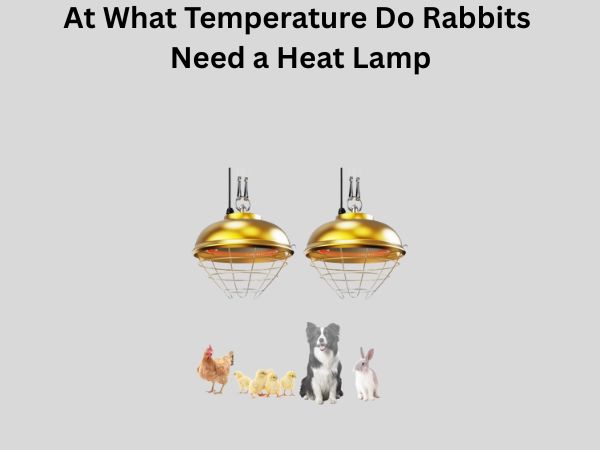
At What Temperature Do Rabbits Need a Heat Lamp: A Complete Guide for Rabbit Owners
If you’re raising rabbits, you’ve probably wondered about their temperature needs at some point. It’s one of those questions that seems simple on the surface, but when you dig deeper, you realize there’s actually quite a lot to consider. I’ve spent time researching and observing rabbits in various climates, and I want to share what I’ve learned with you today.
Think of your rabbit like Goldilocks—they don’t want things too hot, and they don’t want things too cold. They want things just right. So let’s explore exactly what that means for your fluffy friends.
Understanding Your Rabbit’s Natural Temperature Comfort Zone
Rabbits are creatures that have evolved over thousands of years to thrive in specific temperature ranges. Unlike humans who can regulate their body temperature through sweating and shivering effectively, rabbits have a more limited ability to cool themselves down. Their ears are actually their primary cooling mechanism—blood vessels in those long ears help dissipate heat when they’re warm.
The ideal temperature range for most domestic rabbits is between 60 and 70 degrees Fahrenheit, with 65 to 68 degrees being the sweet spot. This range mimics the moderate climates where rabbits naturally prefer to live. When temperatures drop below 50 degrees Fahrenheit or climb above 75 degrees, your rabbits start experiencing stress.
The Critical Threshold: When Heat Becomes Necessary
Now, you might be asking yourself, “Do my rabbits really need a heat lamp?” The answer depends on several factors. Generally speaking, healthy adult rabbits can tolerate temperatures as low as 50 degrees Fahrenheit for short periods. However, they become genuinely uncomfortable below this point, and their health can suffer if exposed to cold conditions for extended periods.
If your ambient temperature consistently drops below 50 degrees, you should consider providing supplemental heat. This is especially true if you’re keeping rabbits outdoors during winter months or in climates with harsh seasonal changes.
Signs Your Rabbit Needs Extra Heat
Your rabbits will actually tell you when they’re cold—you just need to know what to look for. I’ve learned to observe rabbit behavior carefully, and certain signs indicate discomfort.
- Huddling together in corners or against walls
- Reduced activity and lethargy
- Reluctance to move around their enclosure
- Eating less than usual
- Puffed-up fur that looks thicker than normal
- Shivering or trembling
- Wet noses or sneezing (sometimes indicating cold-related stress)
If you’re noticing these behaviors when temperatures dip, it’s time to bring in a heat lamp or other warming solution.
Baby Rabbits and Temperature Sensitivity
Here’s where things get more urgent. Young rabbits, especially newborns, are far more sensitive to temperature fluctuations than adults. Baby rabbits can’t regulate their body temperature effectively until they’re several weeks old. If you have a litter of newborn bunnies, you absolutely need to maintain temperatures between 65 and 75 degrees Fahrenheit, ideally closer to 70 degrees.
A mother rabbit will typically huddle with her babies to provide warmth, but this isn’t always sufficient in cold environments. I recommend using heat lamps for nesting areas when raising young rabbits during cooler months.
Choosing the Right Heat Lamp for Your Rabbits
Not all heat lamps are created equal, and selecting the right one makes a significant difference in your rabbits’ comfort and safety.
Types of Heat Lamps Available
The market offers several options for heating rabbit enclosures. The most common type is the infrared heat lamp, which emits warmth that objects absorb rather than heating the air directly. These are excellent because they create a warm zone your rabbits can move toward or away from as needed.
Ceramic heat emitters are another option. They produce heat without visible light, which is beneficial because you don’t want to disrupt your rabbits’ natural sleep-wake cycle with constant illumination.
Traditional incandescent heat lamps work too, but they emit visible light that can stress rabbits and disrupt their circadian rhythms. If you use these, consider placing them on a timer so they’re not on constantly.
Wattage and Placement Considerations
When selecting a heat lamp, wattage matters tremendously. A 100-watt lamp works well for small enclosures, while larger setups might need 150 or even 200 watts. The key is creating a warm zone without overheating the entire space.
Placement is equally important. Mount your heat lamp above one corner or side of the enclosure, not directly overhead where rabbits can jump and hit it. Position it about 12 to 18 inches above the surface where you want to create warmth. This gives rabbits the flexibility to move closer for warmth or farther away if they feel too hot.
Always use a thermostat with your heat lamp. This device monitors temperature and automatically switches the lamp on and off to maintain your desired temperature range. It’s like having a personal climate control system for your rabbit hutch.
Installation Safety: Protecting Your Rabbits
Safety should be your top concern when installing any heating system. Heat lamps can pose fire risks and burn hazards if not properly managed.
- Use a ceramic fixture designed for heat lamps, never a regular lamp socket
- Keep the lamp away from bedding, hay, and other flammable materials
- Install a protective cage around the lamp so rabbits can’t touch the bulb directly
- Check electrical cords regularly for damage
- Use a thermostat to prevent overheating and bulb burnout
- Never leave heat lamps running without supervision for extended periods
- Position everything securely so nothing can fall on the rabbits
I can’t stress safety enough here. A heat lamp malfunction could spell disaster for your pets. Invest in quality equipment and check your setup regularly.
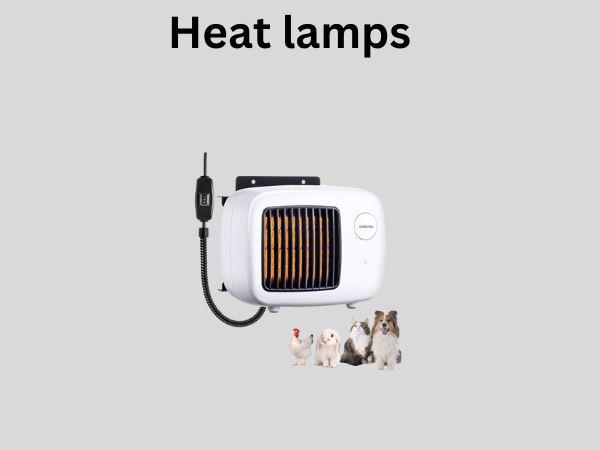
Alternative Heating Methods Worth Considering
Heat lamps aren’t the only way to keep rabbits warm. You have several alternatives that might suit your situation better.
Heating Pads and Thermal Mats
These are excellent options for indoor rabbit setups. Heating pads designed for pets provide consistent warmth without the fire risks associated with lamps. Rabbits naturally burrow, so placing a heated pad under your rabbit’s favorite resting spot works wonderfully. Make sure the pad has a thermostat and automatic shutoff to prevent overheating.
Insulation and Housing Modifications
Sometimes the best solution is improving your rabbit’s housing itself. Adding insulation to outdoor hutches, using weatherproof coverings, and creating windbreaks all help maintain warmer internal temperatures. Think of it like putting on a sweater for your rabbit’s home.
Straw and Bedding Depth
Deep bedding provides natural insulation. Rabbits burrow into straw and hay, creating warm nests. During winter, I increase bedding depth significantly and use straw rather than wood shavings, which don’t insulate as well.
Multiple Rabbits for Warmth
If you have multiple rabbits that get along well, housing them together provides mutual warmth. Rabbits huddle together naturally for temperature regulation, so this is a gentle, natural solution.
The Opposite Problem: Preventing Overheating
While we’ve focused on cold, it’s equally important to prevent your heating from becoming excessive. Rabbits overheat more easily than they get too cold, and heat stress can actually be more dangerous.
If your heating system raises enclosure temperatures above 75 degrees Fahrenheit, you’re creating a problem. Signs of overheating include excessive panting, lethargy, reduced eating, and wet fur. In severe cases, heat stroke can develop rapidly and fatally.
This is why a thermostat is non-negotiable. Set it to maintain temperatures between 65 and 70 degrees, and let it automatically regulate your heat lamp. This prevents the situation where you plug in a lamp thinking it’ll help your rabbit stay warm, only to create an oven-like environment.
Seasonal Adjustments and Year-Round Monitoring
Temperature needs change with the seasons. During winter, you’ll likely need heat supplementation, especially if you’re in cold climates. Spring and fall are transition periods where you might not need heating at all. Summer usually requires cooling strategies instead.
I recommend checking your rabbit enclosure temperature daily using a reliable thermometer. This simple habit helps you catch problems before they affect your rabbits’ health. Keep a temperature log for different seasons—it’ll help you plan for next year and identify patterns in your home’s climate.
Night Temperature Fluctuations
Temperatures often drop significantly at night. If you’re using a heat lamp, consider running it longer during nighttime hours or using a timer set to maintain consistent temperatures around the clock. Your rabbits need stable conditions, not daily swings between warm and cold.
Health Implications of Temperature Stress
Let me be frank about what happens when rabbits experience temperature stress. Cold exposure can lead to respiratory infections, digestive issues, and general malaise. Your rabbit might seem fine one day and seriously ill the next because the stress weakens their immune system.
Chronic temperature stress also affects reproduction and overall lifespan. Rabbits that experience constant cold have shorter lifespans and face higher medical expenses due to stress-related illnesses.
On the flip side, heat stress is actually more immediately dangerous. Rabbits lack functional sweat glands and pant inefficiently, making them vulnerable to rapid temperature elevation. Heat stroke can occur within hours and is often fatal if not immediately addressed.
Creating a Temperature Monitoring System
Modern technology makes temperature monitoring simple. Digital thermometers with high-low memory help you track temperature ranges throughout the day. Some even connect to your phone, alerting you if temperatures exceed safe ranges.
I personally use wireless thermometers in my rabbit enclosures. They’re inexpensive and provide peace of mind knowing I can check temperatures anytime without disturbing my rabbits.
Backup Power Considerations
If you’re relying on electric heating, consider what happens during power outages. In cold climates, you might want a battery backup system or a generator. During an extended outage in winter, your rabbits could face dangerous temperature drops quickly.
Having backup heat sources—like heavy blankets or thermal pads with battery backups—is smart planning for rabbit owners in areas prone to power failures.
Species-Specific Temperature Needs
Different rabbit breeds have varying cold tolerance. Larger breeds with thicker fur naturally handle cold better than smaller breeds. Angora rabbits, with their long coats, tolerate cooler temperatures than Rex rabbits with shorter fur.
Additionally, rabbits who’ve lived outdoors for their entire lives develop thicker coats and better cold adaptation than indoor rabbits. If you’re transitioning a rabbit from indoors to outdoors, you need to do so gradually and ensure adequate heating during cold months.
Cost-Benefit Analysis of Heat Lamp Usage
Concerned about electricity costs? A typical 100-watt heat lamp running 12 hours daily costs roughly $5 to $8 monthly in electricity. Compare this to potential veterinary bills from cold-related illnesses, and the heat lamp becomes a very economical investment in your rabbit’s health.
Quality heat lamps with thermostats cost between $30 and $60 initially but last for years. That’s a small price for consistent rabbit comfort and health.
Conclusion
So, at what temperature do rabbits need a heat lamp? The answer is that heat becomes necessary when ambient temperatures drop below 50 degrees Fahrenheit consistently. For optimal health and comfort, maintain temperatures between 65 and 70 degrees using a combination of housing improvements, insulation, and if necessary, supplemental heat sources like heat lamps.
The key to successful rabbit care is understanding that these animals have specific environmental needs. A heat lamp isn’t just a luxury—it’s sometimes a necessity for health and longevity. If you live in a climate where winter temperatures regularly dip below 50 degrees, investing in proper heating is absolutely worth it.
Remember to prioritize safety when installing heat lamps, use a thermostat to maintain safe temperatures, and monitor your rabbits’ behavior and your enclosure temperature regularly. Your rabbits depend on you to create an environment where they can thrive, and maintaining proper temperature is a fundamental part of that responsibility.
By following the guidance in this article, you’ll be well-equipped to make informed decisions about heating your rabbit’s living space and ensuring they stay healthy and comfortable throughout the year.
Frequently Asked Questions
Can rabbits live without a heat lamp in winter?
Healthy adult rabbits can survive winter without a heat lamp if they’re in a well-insulated hutch with deep bedding and protection from wind. However, their comfort level suffers, and they’re more vulnerable to illness. Young rabbits, senior rabbits, and those with health conditions absolutely require supplemental heating in cold climates. Rather than asking if they can survive, ask if you want your rabbits to merely survive or truly thrive—this perspective changes the answer considerably.
How do I know if my heat lamp is too hot for my rabbits?
If your rabbits avoid the area under the heat lamp, pant frequently, or their fur appears matted and wet, the temperature is too high. Use a thermostat to regulate temperature, aiming for 65 to 70 degrees. Check the enclosure temperature multiple times daily initially to establish the right lamp height and wattage for your space. When properly calibrated, your rabbits should move toward the lamp when they’re cold and away when they’ve warmed up.
What’s the best type of heat lamp for rabbits?
Ceramic heat emitters or infrared lamps are superior to incandescent options because they provide warmth without disrupting your rabbit’s sleep-wake cycle with visible light. Pair whichever lamp you choose with a thermostat for automatic temperature regulation. Avoid heat lamps that emit bright visible light, as constant illumination causes stress and behavioral problems in rabbits.
Can I use a regular space heater instead of a heat lamp?
Space heaters can work but carry fire risks and lack the zone-based heating that heat lamps provide. If you choose a space heater, use one with automatic shutoff features and a thermostat, keep it away from flammable materials, and never leave it unattended. Many rabbit owners find heat lamps safer and more cost-effective because you can create a warm zone rather than heating the entire room.
How long should I run the heat lamp daily?
During cold months, many owners run heat lamps continuously or on timers set to maintain temperatures 24/7. If outdoor temperatures stay above 50 degrees, you might only need the lamp during nighttime hours when temperatures typically drop. Use a thermostat that automatically activates and deactivates the lamp, eliminating the need to manually manage it. This ensures consistent temperatures without wasting energy or creating temperature fluctuations.
“`
![10 Best Ceramic Table Lamps [2026]](https://bestdesklamp.com/wp-content/uploads/2026/08/10-best-ceramic-table-lamps-2026-featured-768x432.jpg)

![10 Best Bedside Lamp With Phone Charger [2026]](https://bestdesklamp.com/wp-content/uploads/2026/08/10-best-bedside-lamp-with-phone-charger-2026-featured-768x432.jpg)
![10 Best Brand For Himalayan Salt Lamp [2026]](https://bestdesklamp.com/wp-content/uploads/2026/08/10-best-brand-for-himalayan-salt-lamp-2026-featured-768x432.jpg)