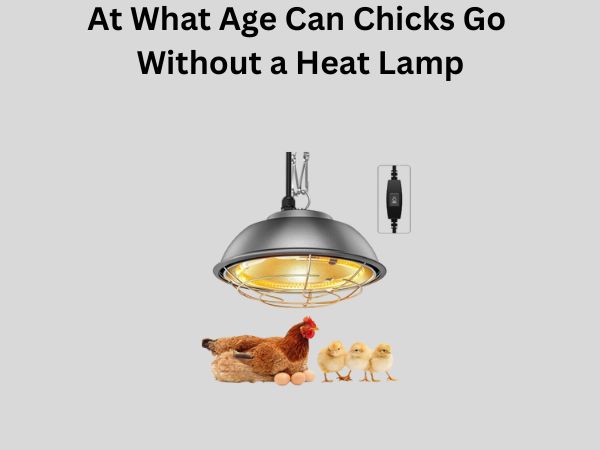
At What Age Can Chicks Go Without a Heat Lamp? A Complete Guide for Poultry Keepers
If you’re raising baby chicks, you’ve probably wondered when you can finally turn off that heat lamp and let nature take its course. I mean, how long can these tiny creatures really depend on artificial warmth? Well, the answer isn’t as straightforward as you might think, and understanding the transition period is crucial for keeping your flock healthy and thriving.
Quick Answer: The Age Range You Need to Know
Most chicks can begin transitioning away from a heat lamp around 6 to 8 weeks of age, depending on several factors including outdoor temperature, the breed of your chicks, and whether they have access to natural shelter. However, this isn’t a one-day flip of the switch. Think of it more like gradually teaching a child to swim—you don’t throw them into the deep end all at once.
Understanding Chick Temperature Requirements
Why Do Chicks Need Heat Lamps in the First Place?
Chicks are born with incredibly limited ability to regulate their own body temperature. Unlike adult chickens with their full plumage, newly hatched chicks are covered in soft down that provides minimal insulation. When they’re first born, chicks need to maintain a body temperature around 95°F, which is significantly warmer than the typical room temperature in your home or coop. Without this artificial warmth, they’d quickly become chilled and potentially die from hypothermia.
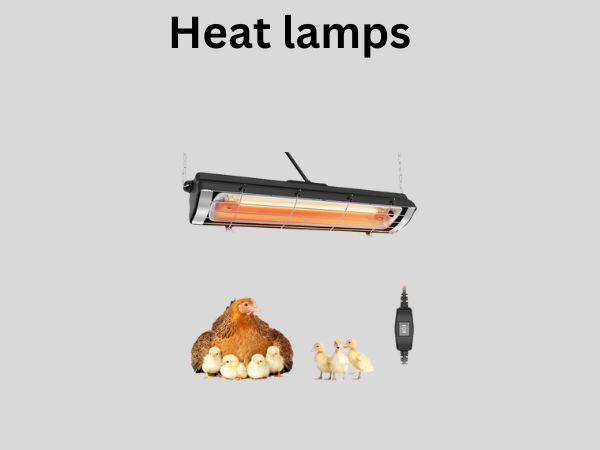
The heat lamp essentially replaces the warmth that the mother hen would provide in a natural setting. If you’ve ever seen a broody hen with her chicks huddled underneath her wings, you understand exactly what we’re trying to replicate with that glowing red or yellow bulb.
How Temperature Affects Chick Development
Temperature directly impacts how well your chicks develop, grow, and stay healthy. When chicks are too cold, they tend to huddle together in a corner, become lethargic, and stop eating properly. On the flip side, overheated chicks spread out, pant with their beaks open, and drink excessive amounts of water. Neither scenario is ideal for proper growth and development.
The Week-by-Week Temperature Breakdown
Week One: Starting at 95°F
During the first week of life, your chicks need the warmth lamp positioned to maintain a temperature of 95°F directly under the bulb. They’ll spend most of their time huddled under the lamp, moving away only to eat and drink. This is completely normal behavior, and you should resist the urge to think something is wrong just because they’re not exploring much.
Week Two: Dropping to 90°F
By the second week, you can gradually reduce the temperature to around 90°F. You can accomplish this by either raising the lamp slightly higher or using a lower wattage bulb. The chicks will start venturing further from the heat source, exploring their brooder setup, and interacting with their siblings more actively.
Week Three: Moving Toward 85°F
Week three brings another 5-degree reduction, bringing you down to approximately 85°F. At this stage, you’ll notice your chicks becoming significantly more independent. They’re growing rapidly, their feathers are developing more fully, and they’re becoming more confident in exploring their environment.
Week Four Through Six: Gradual Reduction
During weeks four through six, continue reducing the temperature by about 5 degrees each week. By week six, you should be down to around 70°F, which is closer to room temperature. This gradual reduction allows their developing feather system to take over the job of temperature regulation.
Week Seven and Beyond: The Transition Phase
By week seven, many chicks can handle being without a heat lamp entirely, especially if they’re in a well-insulated space with adequate shelter. However, this is where external factors really start to matter. If it’s the middle of winter and temperatures outside are dropping below freezing, you might need to maintain some supplemental heat even for older chicks.
Factors That Influence When Chicks Can Go Without Heat
Breed Matters More Than You Think
Not all chicken breeds are created equal when it comes to cold tolerance. Larger, heavy breeds like Orpingtons, Wyandottes, and Brahmas naturally develop thicker plumage and handle cold temperatures better than smaller, lighter breeds like Bantams or Mediterranean breeds. If you’re raising cold-hardy breeds, you might be able to transition away from heat slightly earlier. Conversely, if you’ve got delicate ornamental breeds, they might appreciate supplemental warmth a bit longer.
Outdoor Temperature Conditions
The ambient temperature of your location plays a massive role. If you’re in a warm climate where outdoor temperatures rarely dip below 60°F, your chicks can transition away from heat much earlier than someone living in a region with harsh winters. Raising chicks during spring or summer? You’re in luck. Raising them in fall or winter? You’ll need to be more cautious about the transition timeline.
Housing and Shelter Quality
The quality of your brooder setup and eventual coop directly impacts when chicks can survive without supplemental heat. A well-insulated structure with proper ventilation, dry bedding, and protection from drafts allows chicks to go without heat earlier than a drafty, poorly constructed setup. Think of it like the difference between wearing a coat in a warm building versus standing outside in the same coat during a snowstorm.
Access to Food and Water
Chicks that are eating well and staying hydrated naturally generate more body heat through their metabolism. Make sure your chicks always have access to adequate food and water, as these are essential for maintaining body temperature and overall health during the transition period.
Flock Density and Social Interaction
Here’s something interesting: chicks huddle together for warmth, which means the size of your flock matters. A larger group of chicks will maintain body heat more efficiently than a small group. If you’re raising just a couple of chicks, they might need heat longer than a flock of twenty, since they don’t have as many warm bodies to snuggle against.
Signs Your Chicks Are Ready to Go Without Heat
Physical Development Indicators
One of the clearest signs that your chicks are ready to lose the lamp is their feather development. By around 6 to 8 weeks of age, your chicks should have most of their juvenile plumage, with only their head and neck still showing significant down. If you gently feel their wings and body, they should feel well-insulated with feathers rather than just soft down.
Behavioral Clues to Watch For
Watch how your chicks behave around the heat lamp. If they consistently move away from it and show no interest in huddling underneath, they’re telling you they don’t need it anymore. Additionally, if they’re actively playing, running around, dust bathing, and exploring without trying to return to the heat, they’ve likely developed enough thermoregulation ability to handle room temperature.
Size and Weight Considerations
As a general rule, chicks that have nearly reached their adult size are better equipped to regulate body temperature. Larger chicks with fuller bodies have better insulation and more muscle mass to generate warmth through activity and metabolism. Compare your chicks to breed standards—if they’re approaching juvenile size, they’re getting close to being ready.
The Gradual Weaning Process: How to Do It Right
Method One: The Scheduled Shutdown Approach
Some keepers prefer a structured approach where they turn off the heat lamp for gradually increasing periods. For example, you might turn it off for 2 hours on day one, 4 hours on day two, and so on until the chicks are comfortable being without it for extended periods. This method gives you complete control and allows you to monitor your chicks closely.
Method Two: The Height Adjustment Strategy
Another effective approach is to gradually raise the heat lamp higher and higher off the ground. As the distance increases, the warmth decreases naturally. By the time your chicks are 6 to 8 weeks old, the lamp might be so high that it provides minimal warmth anyway, making the transition nearly invisible to your flock.
Method Three: The Temperature Thermostat Approach
If you’re using a heat lamp with a thermostat control, you can simply dial down the target temperature gradually each day. This method is incredibly precise and allows for the smoothest possible transition. Your chicks hardly notice the change because it happens so gradually.
What Not to Do During the Transition
Avoid Sudden Temperature Changes
Never abruptly remove the heat lamp on a cold night or during a temperature drop. This shock to their system can cause stress and even illness. Always plan your heat lamp removal for a period when temperatures are stable or rising, and always do it during the warmest part of the day.
Don’t Ignore Signs of Distress
If your chicks huddle together in a corner after you’ve removed the heat lamp, or if they become lethargic and stop eating normally, put the lamp back! You went too fast for your specific situation, and that’s okay. Try again in a couple of weeks with a slower transition.
Skip the Overcrowded Brooder Setup
Having too many chicks in too small a space creates ammonia buildup from their droppings, which can damage their respiratory systems and make the transition to no heat much harder. Provide adequate space—generally about half a square foot per chick for the first few weeks, then a full square foot as they grow.
Moving Chicks Outdoors: Heat Lamp Considerations
Timing Your Move to the Outdoor Coop
Most chicks are ready to move to an outdoor coop around 6 to 8 weeks of age, assuming outdoor temperatures are suitable. However, this doesn’t necessarily mean they don’t need heat. If you’re moving them during cooler months, you might need to provide a heat lamp in the coop until they’re closer to 10 to 12 weeks old or until nighttime temperatures consistently stay above 50°F.
Outdoor Shelter Heating Considerations
Outdoor coops offer less insulation than indoor brooder setups, so you may need to extend heat lamp use longer than you would in a controlled indoor environment. Make sure your outdoor coop has proper insulation, bedding, and protection from wind and moisture. A well-designed coop is your best ally in reducing the need for supplemental heat.
Common Mistakes People Make With Chick Heat Management
Keeping Heat Lamps On Too Long
Some well-meaning keepers continue using heat lamps well beyond when their chicks need them. This can actually harm your flock by making them overly dependent on the heat and preventing proper feather development. It’s also wasteful of electricity and increases the fire risk in your brooder setup.
Using Incorrect Heat Lamp Wattages
Not all heat lamps are created equal. Using a 250-watt lamp when you only need a 150-watt lamp can create dangerously hot spots in your brooder. Always use the appropriate wattage for your brooder size and adjust by raising or lowering the lamp rather than by changing the bulb type mid-transition.
Failing to Monitor Temperature Accurately
A reliable thermometer is essential. Don’t rely on guessing the temperature or feeling it with your hand. Get a proper thermometer and place it at chick level in the brooder to get accurate readings. Some digital thermometers even come with alarms to alert you if temperature fluctuates outside your target range.
Special Considerations for Different Seasons
Spring and Summer Chicks
If you’re raising chicks during warm months, you have the advantage of ambient warmth. Your chicks might be ready to go without a heat lamp by 5 to 6 weeks of age, especially if they’re in a warm climate. The outdoor temperature often becomes your brooder’s primary heat source.
Fall Chicks
Fall chicks face declining temperatures as they grow, which extends the transition period. Plan to keep a heat lamp available until they’re 8 to 10 weeks old, and ensure your outdoor coop is well-prepared for winter before moving them outside.
Winter Chicks: A Special Challenge
Raising chicks during winter requires patience and extended heat lamp use. Your chicks might need supplemental heat until they’re 10 to 12 weeks old, and even then, you might need to provide extra warmth on particularly cold nights. Winter raising is doable but requires more careful planning and monitoring.
The Role of Adequate Nutrition in Temperature Regulation
Your chicks’ ability to regulate body temperature depends significantly on their nutrition. A high-quality starter feed with adequate protein (20-24%) provides the fuel for metabolism and heat generation. Chicks on poor nutrition will struggle to maintain body temperature and will need heat longer than well-nourished birds. Make sure you’re feeding a proper chick starter formula and supplementing with grit if they’re eating anything besides their primary feed.
Health Issues Related to Improper Heat Management
Both too much and too little heat can lead to serious health problems in young chicks. Chilled chicks develop pasty butt, where dried manure blocks their vent, and they become susceptible to respiratory infections and coccidiosis. Overheated chicks develop dehydration, respiratory issues, and poor feather quality. Getting the temperature right throughout the growing period sets your flock up for lifelong success.
Transitioning Brooder Chicks to Outdoor Housing
The move from an indoor brooder to an outdoor coop is a significant milestone that often coincides with reducing or eliminating heat lamp use. At 6 to 8 weeks old, your chicks should be large enough and feathered enough to handle this transition, but it needs to happen gradually. Start with short periods outside in good weather, gradually increasing the time spent outdoors until they’re spending full days outside, then finally moving them permanently to the outdoor coop.
Conclusion
So, at what age can chicks go without a heat lamp? The honest answer is somewhere between 6 and 8 weeks of age for most situations, with consideration given to breed, weather, housing quality, and individual chick development. Rather than looking for a magic date on the calendar, focus on observing your specific chicks, monitoring their behavior and feather development, and making gradual adjustments to the heat lamp setup. The transition from dependence on artificial warmth to self-regulation is one of the most critical developmental phases in a chick’s life, and getting it right sets the foundation for healthy, thriving adult chickens. Remember that every flock is different, and what works perfectly for one keeper might need adjustment for another. Trust your observations, use proper thermometers, and don’t be afraid to slow down the transition if your chicks show signs of distress. Your patience now will pay dividends in the health and vitality of your flock for years to come.
Frequently Asked Questions
Can chicks survive without a heat lamp from day one?
No, chicks cannot survive without a heat lamp from day one. Newly hatched chicks are unable to regulate their body temperature and require external warmth of approximately 95°F to survive. Without this warmth, they will become hypothermic and will


![10 Best Affordable Gel Lamp [2026]](https://bestdesklamp.com/wp-content/uploads/2026/09/10-best-affordable-gel-lamp-2026-featured-768x432.jpg)
![10 Best Budget Light Therapy Lamp [2026]](https://bestdesklamp.com/wp-content/uploads/2026/08/10-best-budget-light-therapy-lamp-2026-featured-768x432.jpg)