Arabian Oil Lamp: How Does It Work?
Have you ever wondered about those enchanting brass lamps that seem to glow with ancient magic? Arabian oil lamps, often called Aladdin lamps or genie lamps, have captivated imaginations for centuries. But here’s the thing – they’re not actually magical at all. They’re fascinating feats of engineering and design that work through surprisingly simple yet elegant principles. Let me walk you through exactly how these timeless treasures function and why they’ve remained popular for so long.
Understanding the Basic Structure of an Arabian Oil Lamp
Before we dive into the mechanics, you need to understand what you’re actually looking at when you examine an Arabian oil lamp. These lamps aren’t just pretty decorative pieces – they’re functional devices with specific components working together in harmony. Think of them like an orchestra, where each part plays its role to create something beautiful and useful.
The Main Components You Need to Know
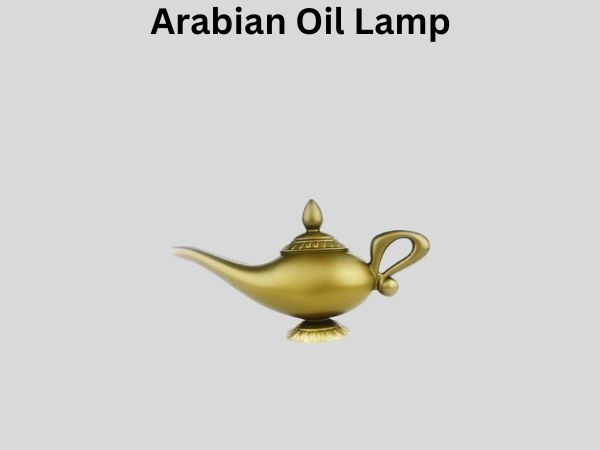
An Arabian oil lamp consists of several key parts that work together seamlessly. Understanding each component helps you appreciate why these lamps have stood the test of time.
- The Reservoir: This is the belly of the lamp where the oil gets stored. Usually made from brass, ceramic, or other heat-resistant materials, it holds the fuel that powers the entire lamp.
- The Wick: A twisted cord or bundle of fibers that draws oil upward through capillary action, similar to how a sponge absorbs water.
- The Burner Opening: The top portion where the wick emerges and where the actual combustion happens.
- The Spout: Often curved and decorative, it channels the flame and helps direct light.
- The Handle: Allows you to carry and manipulate the lamp safely.
- The Decorative Shell: The ornamental outer casing that makes these lamps so visually appealing.
The Oil: The Lifeblood of Your Arabian Lamp
You can’t have a functioning oil lamp without understanding the fuel itself. The oil is really the heart of how these lamps work, so let’s explore what makes it so essential.
What Type of Oil Should You Use?
Here’s where many people get confused. Not all oils work equally well in Arabian lamps. The most common options include paraffin oil, which is mineral-based and readily available. You’ll also find people using kerosene, though this requires proper ventilation. Some enthusiasts prefer specialized lamp oil that burns cleaner and produces less smoke than alternatives.
The oil you choose matters because different oils have different viscosity levels. Think of viscosity like the thickness of honey – some oils flow quickly while others move slowly. Your lamp needs oil that flows steadily up the wick without being so thin that it evaporates too quickly or so thick that it barely moves.
How Oil Moves Through the Wick
Here’s where the real magic begins, and it’s all about science. When you light an Arabian oil lamp, the oil doesn’t just sit in the reservoir waiting to be used. Instead, it climbs up the wick through a process called capillary action. This is the same process that allows plants to pull water up through their roots from the soil.
The wick acts like a tiny superhighway for the oil. The fibers in the wick create numerous small gaps and spaces. These gaps pull the oil upward against gravity through the power of molecular attraction. It’s like the oil molecules are holding hands, and they’re all climbing up together toward the warmth above.
The Wick: The Engine of Light and Heat
The wick deserves special attention because it’s arguably the most crucial component in making your Arabian lamp work properly.
Different Wick Types and Their Purpose
Arabian oil lamps use different wick styles depending on their design and purpose. Flat wicks, which look like ribbons, are common in traditional designs. These provide a wider flame that produces more light. Twisted or braided wicks offer better control of the flame and are often preferred for decorative lamps.
The wick essentially serves as a delivery system. It transports the oil from the reservoir to the flame site, where it can be burned for light and heat. Without a proper wick, your oil would just sit uselessly at the bottom of the lamp.
Wick Maintenance: Keeping the Flame Alive
For your Arabian lamp to work optimally, you need to maintain the wick properly. When you burn an oil lamp, carbon naturally accumulates on the wick’s tip. This carbon formation is inevitable – it’s a byproduct of combustion. However, too much carbon causes problems.
Excess carbon makes the flame flicker, smoke excessively, and produce less light. That’s why experienced lamp users regularly trim their wicks. Simply pinching off the charred portion keeps your flame clean, bright, and steady. It’s a small maintenance task that makes a tremendous difference in performance.
The Combustion Process: Where Light Comes From
Now let’s talk about what actually happens when you light your Arabian lamp. It’s a straightforward chemical reaction, but understanding it helps you use your lamp more effectively.
The Chemical Reaction Explained
When you introduce a flame to the oil-soaked wick, the heat causes the oil to vaporize. These oil vapors then react with oxygen in the air, creating combustion. This reaction releases energy in the form of light and heat – exactly what you want from a lamp.
Think of it this way: you’re not actually burning liquid oil. You’re burning the vapors that the heat creates from the liquid oil. This distinction matters because it explains why the wick needs to be heated first, why it takes a moment for the lamp to reach full brightness, and why the height of your flame depends on how much vaporization is happening.
Why the Flame Looks the Way It Does
Have you noticed how the flame in an Arabian lamp has that distinctive orange-yellow color? That’s not just for show. The color tells you something about the combustion process. The bright yellow-orange zone is where incomplete combustion happens, producing soot and smoke. The blue zone you might see at the very base indicates more complete combustion.
A well-functioning Arabian lamp produces mostly orange flame with perhaps a hint of blue. If your lamp produces a lot of black smoke, it usually means the wick needs trimming or the lamp needs better ventilation.
The Role of Air and Oxygen
You can’t burn anything without oxygen, and this applies to your Arabian lamp just as much as it applies to a campfire.
How Oxygen Reaches the Flame
In an Arabian lamp, air reaches the flame through the burner opening and around the wick. The heat from the combustion creates air currents that naturally draw fresh oxygen toward the flame. This is why lamps work better in spaces with decent air circulation and why a completely sealed room can cause problems.
The shape of the lamp’s spout and burner opening actually helps direct these air currents. That curved spout you see isn’t just decorative – it’s engineered to channel air toward the flame efficiently. Pretty clever design when you think about it.
Light Output: Understanding Brightness and Efficiency
Different Arabian lamps produce different amounts of light. Understanding what factors affect brightness helps you choose the right lamp for your needs.
What Determines How Bright Your Lamp Is
The brightness of your Arabian lamp depends on several factors working together. The size of the wick directly affects how much oil is being burned at any given time. A larger wick means more combustion, which means more light. The oil quality matters too – different oils burn with different intensities.
The shape and reflectivity of the lamp itself plays a role as well. Some lamps have polished brass interiors that reflect light outward, amplifying the effect. Others have decorative patterns that scatter light in interesting ways.
Comparing Oil Lamps to Modern Lighting
Let’s be realistic about what an Arabian oil lamp can do. A typical lamp produces light equivalent to maybe a 40-watt incandescent bulb – useful for atmosphere and reading, but not bright enough to illuminate an entire room like modern lighting. However, this limitation is part of their charm. They provide intimate, warm lighting that creates ambiance no electric light can quite match.
Temperature and Heat Distribution
Arabian oil lamps produce heat along with light, and understanding this is important for safe usage.
How Hot Do These Lamps Get?
The flame itself reaches temperatures several hundred degrees Fahrenheit. However, the heat distribution extends beyond just the flame. The glass or metal components of the lamp, as well as the surrounding air, warm up considerably during operation. This is why you should never touch a burning lamp without protection and why you need to keep them away from flammable materials.
Heat Considerations for Placement
The heat from an Arabian lamp affects its surroundings more than many people realize. Place your lamp too close to curtains, papers, or other combustible materials, and you’re creating a fire hazard. The heat can also affect nearby paint or finishes on wooden furniture. Always maintain at least a foot of clearance around your lamp on all sides.
Common Problems and How They Work
Sometimes Arabian lamps don’t work as expected. Understanding what can go wrong helps you troubleshoot effectively.
The Lamp Won’t Stay Lit
If your lamp keeps extinguishing itself, the wick probably isn’t drawing enough oil. This could mean your wick is too thin, the oil level is too low, or the wick is damaged. Make sure your reservoir is filled, your wick is the proper thickness, and that there are no cracks in the wick itself.
Excessive Smoke Production
A smoky lamp indicates incomplete combustion. Usually, this means the wick needs trimming. Carbon buildup on the wick tip restricts oxygen flow and causes smoke. Sometimes it also means your oil quality is poor or your lamp needs better ventilation. Try trimming the wick first – this solves the problem ninety percent of the time.
Weak or Dim Flame
A weak flame usually means insufficient oil is reaching the wick. The oil level might be low, the wick might be clogged, or the wick might be too thin for your lamp’s design. Fill your reservoir completely and ensure your wick is clean and properly positioned.
The History Behind the Design
Understanding how something works is enhanced by knowing why it was designed that way. Arabian oil lamps have a rich history that explains their elegant functionality.
Why This Design Endures
Arabian oil lamps have been used for centuries because they work reliably with minimal maintenance. Unlike candles, which burn down completely, oil lamps can provide light for hours with a single filling. Unlike early electric lights, they don’t require complex infrastructure or infrastructure that might not exist in certain regions. They’re simple, elegant, and effective.
The design has barely changed over centuries because it’s already nearly perfect. When you find a solution that works this well, there’s little reason to reinvent it. Modern versions might use better materials or slightly refined designs, but the core principle remains unchanged.
Using Your Arabian Lamp Safely
Working knowledge of how something operates should always include safety considerations.
Essential Safety Guidelines
- Never refill while lit: Always extinguish the lamp and let it cool before adding more oil. Hot lamps and liquid oil are a dangerous combination.
- Use proper oil: Stick with lamp oil or paraffin oil. Don’t experiment with cooking oils or other substances.
- Maintain clearance: Keep the lamp away from curtains, papers, and any flammable materials.
- Ensure ventilation: Never use a lamp in a completely sealed space. Proper air circulation is essential.
- Watch the heat: The lamp gets hot during operation. Don’t touch it without protection, and keep it away from children and pets.
- Regular maintenance: Trim wicks regularly, check for damage, and clean the lamp periodically.
Modern Applications and Variations
While Arabian oil lamps are traditional, they haven’t become completely obsolete. They’re still manufactured and used today, though often for different purposes than they served historically.
Contemporary Uses Today
Today, Arabian oil lamps serve primarily decorative and atmospheric purposes. People use them for ambiance during power outages, for camping and emergency preparedness, and simply because they love the aesthetic and warmth they provide. Some enthusiasts collect them as functional art pieces. Others use them in restaurants and hotels to create a particular mood.
Emergency preparedness has actually made Arabian lamps relevant again. In an age where electrical failures can occur, a reliable lamp that needs nothing but oil works when electricity fails.
Conclusion
So there you have it – the complete story of how Arabian oil lamps work. What might seem like magic is actually an elegant application of simple scientific principles. The wick draws oil upward through capillary action. Heat vaporizes the oil, which then combusts with oxygen, producing light and warmth. It’s straightforward, reliable, and beautiful in its simplicity.
These lamps have survived centuries not because they’re magical, but because they’re practical. They demonstrate that sometimes the oldest solutions are the best solutions. Whether you’re using an Arabian lamp for emergency preparedness, atmospheric lighting, or simply because you appreciate the craftsmanship, understanding how it works helps you use it better and appreciate it more deeply.
The next time you light an Arabian oil lamp, you can appreciate not just the warm glow it produces, but the elegant engineering that makes that glow possible. That’s the real magic – not sorcery, but human ingenuity working in harmony with the laws of physics.
Frequently Asked Questions
Can I use any type of oil in my Arabian lamp?
While you technically could put any oil in a lamp, it won’t work well. Specialized lamp oil or paraffin oil work best because they have the right viscosity and burn cleanly. Cooking oils are too thick and will clog your wick. Motor oil is toxic and dangerous. Always use proper lamp oil or kerosene to ensure your lamp works safely and effectively.
How often should I trim the wick in my Arabian lamp?
You should trim your wick whenever you notice carbon buildup on the tip, which typically happens every few hours of use or whenever the flame starts smoking excessively. Simply pinch off the blackened portion with your fingers or use a wick trimmer. Keeping the wick trimmed makes a dramatic difference in flame quality and light output.
Why does my Arabian lamp produce so much smoke?
Excessive smoke almost always means your wick needs trimming. Carbon accumulation on the wick tip creates smoke and reduces light output. If trimming doesn’t solve the problem, your oil quality might be poor, or your lamp might need better ventilation. Sometimes a combination of factors contributes to smokiness – address them one by one.
How long can I burn an Arabian lamp continuously?
You can burn most Arabian lamps for several hours before the oil runs out, depending on the reservoir size and burn rate. However, it’s wise to take breaks to let the lamp cool periodically. Never refill an active, hot lamp – always extinguish it, let it cool completely, and then add more oil. This practice extends the lamp’s lifespan and ensures safety.