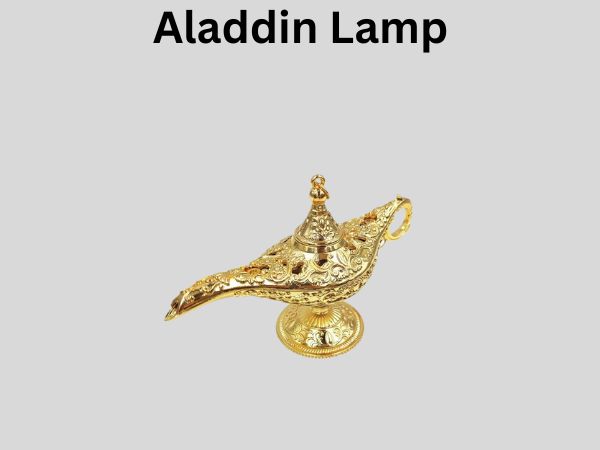
Aladdin Lamp: How Does It Work? A Simple Explanation
Have you ever wondered what makes an Aladdin lamp so special? You know, those beautiful decorative lamps that seem to glow with an almost magical quality? Well, I’m here to tell you that there’s nothing actually magical about them—but the science behind how they work is genuinely fascinating. Let me take you on a journey through the mechanics of these iconic lamps and show you exactly why they’ve captivated people for generations.
Understanding the Aladdin Lamp: What Makes It Unique?
When most people think of an Aladdin lamp, they picture something out of a fairy tale. And while the legendary genie might not be real, the lamp itself is a legitimate marvel of engineering and design. The modern Aladdin lamp isn’t actually a mystical object—it’s a kerosene-burning lamp that produces an incredibly bright, steady light. Think of it as the technological breakthrough that came before electric lighting became commonplace.
The beauty of an Aladdin lamp lies in its ability to generate light that’s far superior to traditional candles or basic oil lamps. If you’ve ever tried to read by candlelight, you know how frustrating that can be. An Aladdin lamp changes everything. It delivers a bright, even illumination that can light up an entire room.
The History Behind the Aladdin Lamp Innovation
Before we dive into how these lamps work, let’s take a quick look at where they came from. The Aladdin lamp was invented by a Swedish engineer named Gustaf Dalén in the early 1900s. His invention revolutionized lighting technology and earned him a Nobel Prize in Physics. Can you imagine that? A lamp so innovative it won one of the world’s most prestigious scientific awards.
Dalén’s creation was designed to be used in lighthouses and railway signals, where bright, consistent light was absolutely essential. Eventually, this technology made its way into homes, and people realized they had something truly special on their hands.
The Evolution of Lamp Design
Over the decades, lamp manufacturers refined and perfected Dalén’s original design. Companies like Aladdin Industries took the concept and made it more accessible and attractive for home use. They added decorative elements, improved the burner mechanism, and created various styles and finishes that appealed to different tastes and interior design preferences.
The Core Components of an Aladdin Lamp
To understand how an Aladdin lamp works, you first need to know what’s inside it. These lamps have several key components that work together in perfect harmony. Let me break them down for you:
- The fuel reservoir (or tank)
- The burner mechanism
- The mantle
- The chimney
- The wick
- Air vents and regulators
Each of these parts plays a crucial role in the lamp’s operation. Together, they create a system that produces light far brighter than you’d expect from a simple kerosene lamp.
The Fuel Reservoir: Storing Your Light Source
At the bottom of every Aladdin lamp, you’ll find the fuel reservoir. This is where the kerosene (or mineral oil) is stored. The reservoir is typically made from brass, porcelain, or glass, depending on the lamp’s style and quality. Think of it as the heart of the lamp—without it, there’s no fuel to burn, and therefore no light.
The size of the reservoir determines how long the lamp will burn before you need to refill it. Larger reservoirs mean longer burning times, which was a significant advantage for people who needed consistent lighting throughout the evening.
The Wick: The Fuel’s Pathway to Flame
Above the reservoir sits the wick. Now, this isn’t just any ordinary wick. The wick in an Aladdin lamp is specifically designed to feed fuel upward through capillary action. You know how a paper towel absorbs water? It’s the same principle. The wick draws kerosene up from the tank through its fibers.
The wick is typically made from braided cotton, and it’s carefully sized to fit the burner mechanism perfectly. If the wick is too loose or too tight, the lamp won’t work properly. Getting this right was actually a significant part of Aladdin’s engineering success.
How the Burner Mechanism Works
This is where things get really interesting. The burner mechanism is the true genius of the Aladdin lamp design. Unlike a simple oil lamp where the wick just sits in the fuel and burns, an Aladdin lamp uses something called a pressure burner system.
Here’s what happens: as you light the wick and it begins to burn, the heat from the flame warms the fuel in the tank below. This heat causes the fuel to vaporize slightly, creating pressure inside the tank. This pressure forces the fuel upward through the wick with more intensity than gravity alone would accomplish.
The result? A much hotter, more efficient flame than traditional lamps. It’s like the difference between blowing gently on a fire and stoking it with a bellows.
Understanding Pressure in the Lamp System
I know what you’re thinking—pressure sounds dangerous. And you’re right to think about safety. But the system is designed with safeguards. The pressure builds gradually and remains within safe limits. Modern Aladdin lamps have pressure relief mechanisms that prevent the tank from becoming over-pressurized.
When you first light an Aladdin lamp, you won’t immediately see the brightness it’s capable of. You need to let it burn for a few minutes. During this warm-up period, the system is building pressure and reaching optimal operating temperature. It’s like how a car needs to warm up on a cold morning before it runs smoothly.
The Mantle: The Secret to Brilliant Light
Now, here’s the part that really sets Aladdin lamps apart from other burning lamps. Inside the lamp, surrounding the flame, is something called a mantle. This mantle is absolutely crucial to how the lamp produces such bright light.
A mantle is a small, delicate mesh made from a special material—traditionally, it’s made from cotton fabric that’s been treated with chemical compounds. When you first light the lamp, the mantle actually burns away, but not completely. What remains is a ash skeleton that glows brilliantly white when heated.
Incandescence: The Key to Brightness
The mantle works on the principle of incandescence. When the white ash skeleton becomes extremely hot from the flame below, it glows with incredible brightness. This glow produces far more light than the flame itself ever could. It’s the same principle used in old-fashioned incandescent light bulbs, actually.
The mantle concentrates the heat from the flame and converts it into visible light with remarkable efficiency. The hotter the mantle gets, the brighter it glows. This is why Aladdin lamps are so much more effective at lighting spaces compared to simple wick lamps.
The Role of the Chimney
You’ll notice that Aladdin lamps have a glass or ceramic chimney surrounding the flame. This isn’t just for decoration, though it certainly can be beautiful. The chimney serves several critical functions.
First, it protects the mantle and flame from drafts and wind. Any disruption to the flame can reduce the lamp’s efficiency and brightness. Second, the chimney helps regulate air flow to the flame, ensuring optimal combustion. Third, it creates a heat chamber that helps maintain consistent temperature and pressure in the system.
Air Vents and Regulation
You’ll typically find small air vents near the base of the chimney. These vents allow oxygen to reach the flame for proper combustion. The size and placement of these vents are carefully engineered to maintain the ideal flame temperature and brightness. Too much air, and the flame becomes unstable. Too little, and the combustion becomes incomplete.
The Step-by-Step Process: How Your Aladdin Lamp Lights Up
Let me walk you through exactly what happens when you light an Aladdin lamp, from the moment you strike that match to when you’re basking in its warm glow.
Step One: The Initial Lighting
First, you’ll adjust the wick to extend slightly above the burner. Then, you’ll bring a flame to the wick. The cotton wick catches fire immediately, burning with a small yellow flame. At this point, the lamp looks like a regular oil lamp—nothing spectacular.
Step Two: Building Heat and Pressure
As the flame burns, it heats the kerosene in the tank below. The heat causes the fuel to vaporate slightly, creating pressure. This pressure forces more fuel up through the wick. The flame grows larger and hotter. You might see a little smoke at this point—that’s normal as the mantle adjusts to the heat.
Step Three: Mantle Ignition
The mantle, hanging in the center of the burner, begins to heat up. If this is a new mantle, it will burn away its outer cotton layer during this phase. As the mantle becomes extremely hot, it transitions from a dull glow to a brilliant white light. This usually takes just a few minutes.
Step Four: Reaching Full Brightness
Within five to ten minutes, the mantle reaches its optimal operating temperature, and the lamp produces its maximum brightness. The light is now bright enough to read by, warm enough to be comfortable, and steady enough to be reliable. You’ve successfully achieved that magical glow.
Fuel Consumption and Efficiency
One question people often ask is how long an Aladdin lamp will burn on a tank of kerosene. The answer depends on several factors, including the size of the reservoir, the wick adjustment, and the specific lamp model.
Most Aladdin lamps can burn for anywhere between twenty to sixty hours on a single tank of fuel. That’s quite impressive when you think about it. Over several weeks, that could add up to significant lighting without needing constant refueling.
The efficiency of an Aladdin lamp is also noteworthy. These lamps produce far more light per unit of fuel than traditional wick lamps. This is why they became so popular before electricity became widespread. They offered the best combination of brightness and fuel economy available at the time.
Adjusting Your Aladdin Lamp for Optimal Performance
If you own an Aladdin lamp, you’ll want to know how to adjust it for the best results. The primary adjustment is the wick height. By turning a small key or knob, you can raise or lower the wick.
Raising the wick increases the flame height and brightness, but it also increases fuel consumption. Lowering the wick reduces brightness but makes the lamp more economical. There’s a sweet spot for each lamp where it produces the best light without smoking or wasting fuel.
Preventing Common Issues
If your Aladdin lamp is smoking or producing uneven light, it’s usually because the wick needs adjustment. Too much wick exposed to the flame creates smoke. Not enough wick means weak light and wasted fuel.
Another common issue is a mantle that’s no longer intact. If you see holes or tears in the white ash mantle, it’s time for a replacement. Fortunately, replacement mantles are inexpensive and easy to install.
Safety Considerations When Using Aladdin Lamps
Since Aladdin lamps involve fire and burning fuel, safety is paramount. These lamps are generally very safe when used correctly, but there are important guidelines to follow.
Always ensure proper ventilation when burning any kerosene lamp. Never use these lamps in completely sealed rooms. Keep the lamps away from flammable materials like curtains or papers. Never leave a burning lamp unattended, and always extinguish it before going to sleep.
The fuel itself requires careful handling too. Store kerosene in a cool, dark place in approved containers. Keep it away from children and pets. Never overfill the lamp’s reservoir, as this can cause spills.
Why People Still Love Aladdin Lamps Today
Even though we have electric lighting, Aladdin lamps remain beloved by many people. Why? There are several reasons.
First, there’s the aesthetic appeal. These lamps are genuinely beautiful. They come in various styles, colors, and designs that appeal to different decorating preferences. They add character and warmth to any room.
Second, there’s the romantic quality of the light. The warm glow of an Aladdin lamp creates an ambiance that electric lights often can’t replicate. There’s something inherently soothing about that soft, golden light.
Third, many people appreciate them for practical reasons. They provide reliable light during power outages. They’re not dependent on the electrical grid. For campers, RV enthusiasts, and preppers, Aladdin lamps are invaluable tools.
Finally, for some folks, these lamps represent a connection to history and simpler times. There’s a certain charm in using a technology that’s been refined over more than a century.
Comparing Aladdin Lamps to Other Lighting Options
How do Aladdin lamps stack up against other lighting methods? Let’s consider a few comparisons.
Versus traditional candles: An Aladdin lamp produces significantly more light and doesn’t require constant attention. Candles are cheaper initially but less practical for long-term lighting.
Versus basic oil lamps: Aladdin lamps are brighter and more efficient, though they’re more complex. Simple oil lamps are easier to use but produce dimmer light.
Versus electric lights: Electric lights are more convenient, but they depend on electricity. Aladdin lamps work anywhere and require no electrical infrastructure.
Conclusion
So there you have it—the complete story of how an Aladdin lamp works. It’s not magic, but it’s certainly impressive engineering. These lamps represent a fascinating moment in technological history when people had to be creative about lighting their homes before electricity became ubiquitous.
The brilliance of the Aladdin lamp lies in its elegant simplicity. By combining a pressure system, a carefully designed wick, and an incandescent mantle, inventors created a lamp that produces remarkable light from just burning kerosene. The principles behind it showcase how understanding physics and applying it creatively can solve real-world problems.
Whether you’re interested in these lamps from a historical perspective, looking for emergency backup lighting, or simply appreciating their beauty and ambiance, understanding how they work adds a new dimension to your appreciation. These wonderful lamps continue to serve people around the world, proving that sometimes the best inventions are the ones that stand the test of time.
Frequently Asked Questions About Aladdin Lamps
What type of fuel should I use in my Aladdin lamp?
You should use clear kerosene, also called lamp oil or mineral oil. Never use gasoline, diesel, or other substitutes. These alternatives can damage the lamp and create safety hazards. Some people use specially treated lamp oil that burns cleaner and produces less odor, which is a good option if you’re sensitive to fumes. Always check your lamp’s manual for specific fuel recommendations, as some models might have particular requirements.
How often do I need to replace the mantle in my Aladdin lamp?
The lifespan of a mantle depends on how frequently you use the lamp and how well you maintain it. Generally, a mantle can last for several hundred hours of burning time. If you use your lamp occasionally, a single mantle might last for several months or even a year. However, if the mantle becomes torn, develops holes, or stops glowing brightly, it’s time for a replacement. Replacement mantles are in

![10 Best Ceramic Table Lamps [2026]](https://bestdesklamp.com/wp-content/uploads/2026/08/10-best-ceramic-table-lamps-2026-featured-768x432.jpg)
![10 Best Ambient Lamps [2026]](https://bestdesklamp.com/wp-content/uploads/2026/09/10-best-ambient-lamps-2026-featured-768x432.jpg)