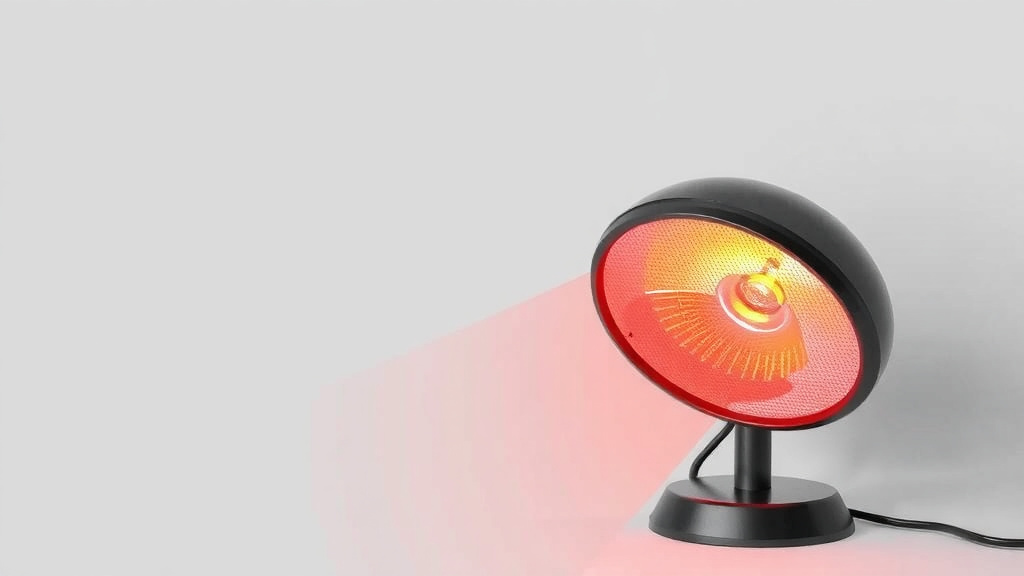
Heat Lamp Lifespan: How Many Hours Can You Expect?
A heat lamp typically lasts between 500 and 5,000 hours, depending on the type you buy. Standard incandescent heat bulbs burn out faster, usually around 500 to 1,000 hours. Ceramic heat emitters last the longest, often running for several years before they quit.
Of course, those numbers assume normal use. How long yours actually lasts depends on things like daily runtime, bulb quality, and how gently you handle it. We dug through manufacturer specs and owner reports and found that cheap bulbs can fail early, while well-made ones often outlast their ratings. So what does that mean for your setup? Let’s break it down.
- Incandescent heat lamps last about 500 to 1,000 hours
- Halogen heat bulbs usually run 2,000 to 4,000 hours
- Ceramic heat emitters can last up to 5 years of daily use
- Frequent on/off cycles wear bulbs out faster
- Replace bulbs on a schedule — don’t wait for them to die
Below, we walk through exactly how long each type lasts, what shortens a bulb’s life, and how to know when it’s time for a replacement.
Heat Lamp Lifespan by Bulb Type
The bulb type matters more than anything else. We found that the three most common heat lamp styles each have their own expected lifespan, and the differences are big. Picking the right one can save you money and a lot of climbing on chairs.
Here’s a quick comparison so you can see what you’re working with:
| Bulb Type | Average Lifespan | Typical Use |
|---|---|---|
| Incandescent heat bulb | 500–1,000 hours | Reptile tanks, brooders |
| Halogen heat bulb | 2,000–4,000 hours | Bathrooms, food warming |
| Ceramic heat emitter | Up to 5 years of daily use | Reptile enclosures, night heat |
| Mercury vapor bulb | 6–12 months | Reptile UV plus heat |
Think of it like light bulbs in your house. The old-school incandescents burned out fast. LEDs lasted forever. Heat lamps follow the same pattern.
Why Do Some Heat Lamps Burn Out Faster Than Others?
It usually comes down to heat stress and handling. A heat bulb runs hot, and every time it cycles on and off, the filament expands and contracts. That flexing slowly wears it down, like bending a paperclip back and forth until it snaps.
On/Off Cycling
Frequent switching is the number one killer. If you flip your heat lamp on and off several times a day, you’ll cut its life short. Many manufacturers note that rated hours assume steady, continuous use.
Want an easy fix? Put your lamp on a timer or thermostat. It reduces cycling and keeps temperatures steady. Your bulb — and your electric bill — will thank you.
Voltage and Power Surges
Too much voltage shortens bulb life fast. Even a small spike can push a filament past its limits. If your bulbs keep dying early, check whether other appliances in your home cause flickering when they kick on.
Handling and Vibrations
Hot filaments are fragile. A bump to the lamp housing while the bulb is glowing can crack a filament or shatter the glass. Oils from your fingers also create hot spots on the glass, so handle new bulbs with a clean, dry cloth.
How Long Do Heat Lamps Last in Real-World Use?
Rated hours and real-world hours are two different things. We found that usage patterns often matter more than the number printed on the box.
Reptile and Pet Setups
Most reptile owners run basking bulbs 10 to 12 hours a day. At that pace, a 1,000-hour incandescent lasts about three months. A ceramic heat emitter, which contains no filament, can keep going for years because there’s nothing inside to burn out.
Many herp keepers we researched replace basking bulbs every 6 to 12 months even if they still light up. Why? The bulb keeps producing heat long after its quality drops off.
Food Warming and Bathroom Heat Lamps
These lamps usually run in shorter bursts. A restaurant heat lamp might run 8 hours a day, which means a halogen bulb can last a year or more. Bathroom units often see just minutes of daily use, so they can last several years.
Chick Brooders and Farm Use
Brooder lamps run around the clock for weeks at a time. That’s about as hard as a bulb can work. At 24 hours a day, even a good 1,000-hour bulb dies in about six weeks, which is why many farmers keep spare bulbs on hand.
Safety First: When a Heat Lamp Becomes a Fire Risk
This part matters more than lifespan. Heat lamps get hot enough to ignite wood, bedding, and paper. The National Fire Protection Association warns that heat lamps are a known cause of barn and coop fires, especially when bulbs sit too close to flammable material. Our heat lamp fire safety guide explains clearance distances, fixture choices, and safe setup in detail.
- Keep bulbs at least 18 inches from anything flammable
- Use lamps with ceramic sockets and wire guards
- Never leave cheap clamp lamps unattended over bedding
- Check cords for fraying before every use
A burnt-out bulb is annoying. A barn fire is devastating. Give safety the same attention you give bulb replacement.
Signs Your Heat Lamp Needs Replacing
Heat bulbs often fade before they fail. Watch for these warning signs so you’re not caught off guard:
- The bulb flickers or dims during normal use
- The glass looks darker or has a cloudy film inside
- Temps in your tank or brooder are dropping
- You hear a faint buzzing from the fixture
- The bulb has been in service past its rated hours
- You see scorch marks on the socket or housing
Dimming is sneaky. Your pet may still be basking, just under weaker heat. A cheap infrared thermometer takes the guesswork out. Point it at the basking spot and compare the reading to your target temperature.
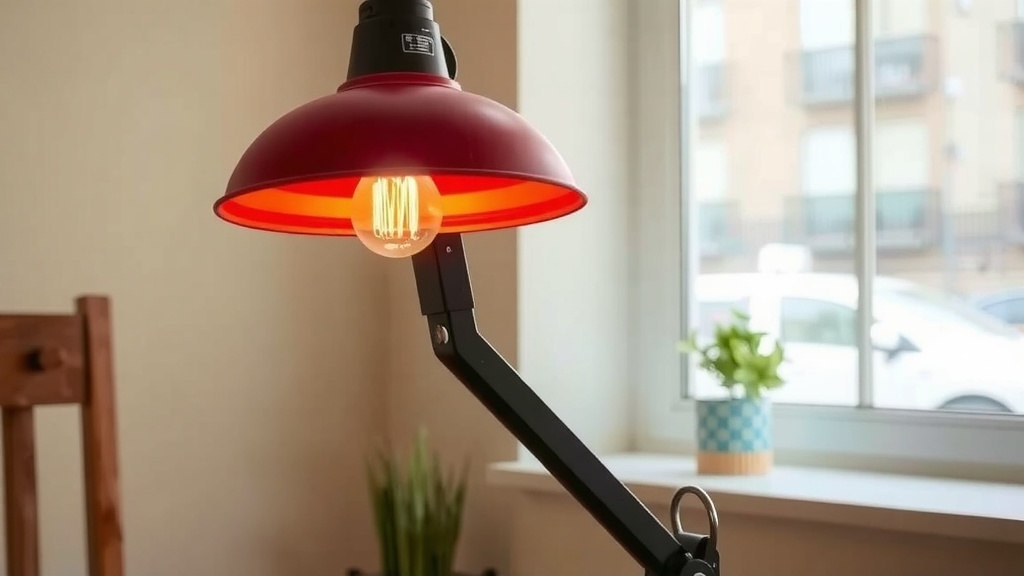
How to Make Your Heat Lamp Last Longer
Good news: a few simple habits can stretch bulb life by months. Here’s the short list we found works best:
- Install a thermostat to reduce on/off cycling
- Handle bulbs with a cloth, never bare fingers
- Screw bulbs in snugly, not gorilla-tight
- Buy name-brand bulbs instead of the cheapest option
- Keep the fixture clean and free of dust buildup
- Secure cords so vibrations and tugs never reach the bulb
None of this takes more than a minute. And unlike fancy upgrades, it’s all free.
Replacement Schedules Worth Following
Waiting for a bulb to die is a mistake, especially with pets that depend on heat. Many experts recommend replacing bulbs on a schedule instead. Think of it like changing the batteries in your smoke detector — you do it before it’s needed, not after.
Use this simple schedule based on daily runtime:
- Incandescent basking bulbs: replace every 3–6 months
- Halogen bulbs: replace every 9–12 months
- Ceramic heat emitters: replace every 2–3 years
- Mercury vapor bulbs: replace every 6–12 months
Mark the install date on the bulb base with a permanent marker. Future you will be grateful.
What About Heat Lamp Bulbs That Still Work but Seem Weak?
A bulb can light up and still be on its way out. Over time, the filament degrades and heat output drops even while light output looks fine. Researchers studying incandescent performance have noted that output declines as filaments age (NIH).
For pets, that drop matters. Reptiles need proper basking temperatures to digest food and stay healthy, and veterinary sources like the Mayo Clinic’s animal-adjacent guidance and reptile care literature stress consistent thermal gradients (Cleveland Clinic also notes the health risks of improper temperatures for cold-blooded animals in educational materials). If your readings drift lower week after week, swap the bulb even if it still glows.
Conclusion
So, how many hours does a heat lamp last? Anywhere from 500 hours to 5 years, depending on the bulb you choose and how you treat it. Ceramic heat emitters win the longevity race, while incandescent basking bulbs need regular swaps. The habits that matter most are simple: use a thermostat, handle bulbs with a cloth, and replace them on a schedule instead of waiting for failure. We found that a little planning prevents both dead bulbs and cold, stressed pets. Grab a permanent marker, write today’s date on your bulb, and set a reminder for its replacement window. Your future self — and your animals — will thank you.
Frequently Asked Questions
Can a heat lamp bulb burn out suddenly, or does it fade first?
Both can happen. Incandescent bulbs often fade gradually as the filament wears down, while halogen bulbs tend to fail fast. We recommend checking basking temps weekly so you catch fading bulbs before they quit completely.
Do ceramic heat emitters ever need replacing if they still work?
Yes, even long-lasting ceramic emitters slowly lose output over the years. Most manufacturers suggest replacing them every 2 to 3 years. If your enclosure temps drift lower, that’s your cue to swap it out.
Does leaving a heat lamp on 24/7 shorten its life?
It does. Bulbs are rated in total hours, so nonstop use burns through that budget much faster. A 1,000-hour bulb running around the clock dies in roughly six weeks, so keep spares handy for brooders and overnight heat.
Are expensive heat bulbs really worth the extra money?
In our research, name-brand bulbs consistently lasted longer than bargain options. A cheap bulb that dies in two months often costs more over a year than a quality one. The savings show up in fewer replacements and steadier temps.
Can I use a regular light bulb instead of a heat lamp bulb?
You can in a pinch, but we don’t recommend it. Regular bulbs aren’t built for sustained high heat and can crack or fail sooner in a heat-rated fixture. Stick with bulbs designed for your lamp to keep things safe and reliable.