How Long to Leave a Heat Lamp On a Leopard Gecko: Guide
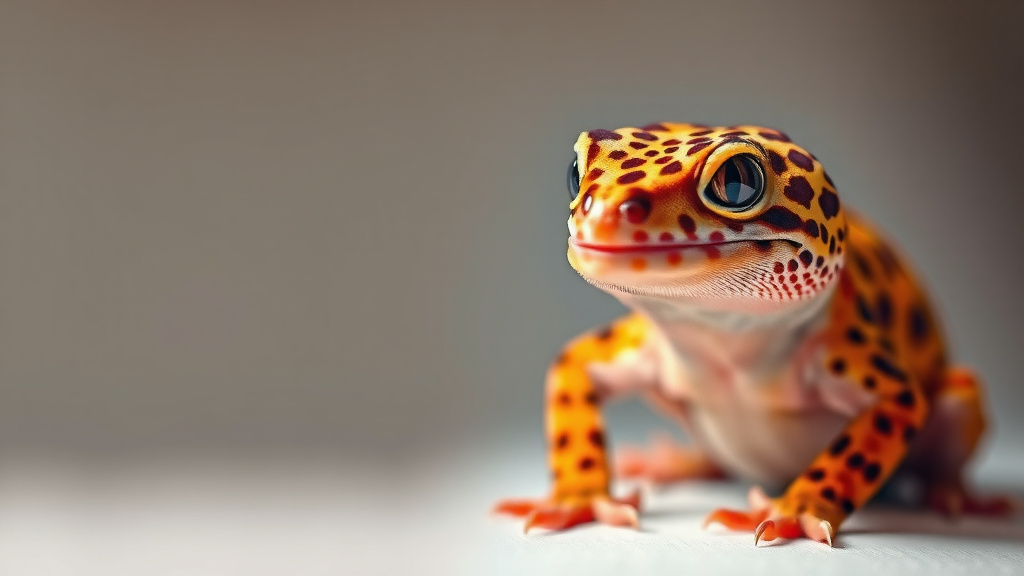
You should leave your leopard gecko heat lamp on for about 10 to 12 hours a day, matching a natural daylight cycle. Turn it off at night so your gecko gets a proper day-and-night rhythm. Too much heat for too long can stress your little friend out.
Here’s the thing: leopard geckos are crepuscular, meaning they’re most active at dawn and dusk. So they don’t need intense light all day like a bearded dragon would. What matters most is keeping the warm side of the tank at the right temperature range, not blasting them with light around the clock.
- 10-12 hours of heat lamp time per day is the sweet spot.
- Use a timer so you never forget to switch it off.
- Turn the lamp off at night, but keep a heat source if temps drop below 65-70°F.
- A heat mat or ceramic heat emitter works better for overnight warmth.
- Watch your gecko’s behavior. Hiding too much or panting means something’s off.
We researched this topic thoroughly and found that most experts agree on these guidelines, and we’ll break it all down for you below. Let’s walk through exactly how to get your gecko’s lighting schedule just right.
The Right Heat Lamp Schedule for Your Leopard Gecko
The best schedule mirrors a natural day: lights on in the morning, off in the evening, roughly 10 to 12 hours total. Think of it as your gecko’s internal alarm clock. When the light fades, their body knows it’s time to wind down and hunt, hide, or snooze.
We found that keepers who stick to a consistent schedule report calmer, healthier geckos. Erratic light cycles can throw off eating and sleeping patterns. A $10 plug timer solves this problem forever.
Why Leopard Geckos Don’t Need Light All Day
Here’s a fun fact that surprises new owners: leopard geckos don’t bask in direct sunlight like many reptiles. They’re crepuscular, which means they’re busiest at dawn and dusk when the desert isn’t baking hot.
Many experts say this is why your gecko doesn’t need a UVB-heavy, bright setup for hours on end. What they really rely on is a warm spot on the ground, not overhead sunshine. Light matters less than heat placement for this species.
Signs Your Lamp Is On Too Long
Wondering if your current schedule is off? Your gecko will tell you. Watch for these red flags:
- Spending all day in the cool hide instead of roaming.
- Panting or gaping, which signals overheating.
- Refusing food during normal active hours.
- Restless behavior at night, pacing the glass.
If you spot these, shorten the light cycle and double-check your thermometer readings. Small changes can fix big problems.
Best Temperatures for the Warm and Cool Sides
Getting the temps right matters more than the lamp itself. Use a digital thermometer on both sides of the tank so you always know the real numbers.
| Zone | Daytime Target | Notes |
|---|---|---|
| Warm side (surface) | 88–92°F | Heat source goes here |
| Cool side | 73–80°F | Gives your gecko a retreat |
| Whole tank at night | 65–70°F minimum | Use a heat mat or ceramic emitter if it dips lower |
Research and veterinary guidance suggest keeping the warm spot in the low 90s at most. Anything hotter risks heat stress, and reptiles can’t sweat to cool down (NIH).
What to Do at Night: Heat Without Light
Turning the lamp off doesn’t mean your gecko freezes. Desert nights get chilly, and your gecko actually expects a temperature drop. A slight dip is natural and healthy.
Heat Mat Setup for Overnight Warmth
A heat mat under one-third of the tank keeps the floor warm without any glow. Place it on the outside bottom of the glass, never inside the tank where your gecko could touch it directly.
We found that mats should always run through a thermostat. Without one, a mat can reach dangerous temperatures. A thermostat holds it steady around 88–90°F, which keeps everyone safe and your mind at ease.
Ceramic Heat Emitters: A Good Backup
If your home runs cold in winter, a ceramic heat emitter is your friend. It produces heat with zero light, so it won’t disturb your gecko’s sleep. Pair it with the same thermostat rule and you’re golden.
Seasonal Changes to Your Lighting Schedule
Your lamp schedule isn’t set in stone forever. In summer, you might run the lamp closer to 12 hours. In winter, trimming to 10 hours mimics the natural season and can even support healthy breeding behavior if you ever go that route.
Don’t stress about perfection. A 30-minute swing either way won’t hurt anything. Consistency over months is what counts, not daily precision.
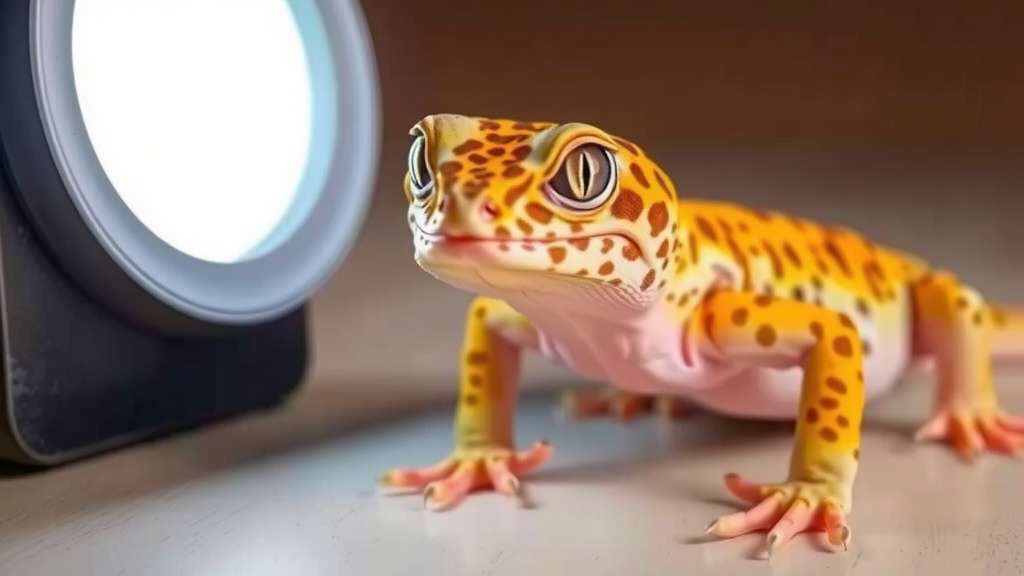
Heat Lamp vs. Heat Mat vs. Ceramic Emitter: Which Is Best?
Confused by all the gear? Here’s the honest breakdown. Many keepers use a combination, and that’s perfectly fine.
- Heat lamp: Great for daytime warmth on one side of the tank.
- Heat mat: Best for belly heat and overnight use with a thermostat.
- Ceramic emitter: Ideal for cold rooms and 24-hour heat without light.
One quick safety note: never rely on a heat rock. We found widespread agreement among reptile vets that they cause burns far too often. Skip them entirely (many exotic animal hospitals warn against this).
Your Quick Daily Gecko Heat Checklist
Pin this list to your fridge or set it as a phone reminder. Six checks, two minutes, one happy gecko.
- Lamp turns on in the morning via timer.
- Lamp turns off after 10–12 hours, no exceptions.
- Thermometer reads 88–92°F on the warm side.
- Cool side stays between 73–80°F.
- Night temps stay above 65°F, or the backup heat kicks in.
- Your gecko looks alert and active at dawn and dusk.
Common Mistakes New Owners Make With Heat Lamps
We’ve all been there. You buy the gear, set it up, and assume it’s fine. These slip-ups are the most common ones we found in owner forums and vet advice pages:
- Running the lamp 24/7 “just in case” it gets cold.
- Guessing temperatures instead of using a thermometer.
- Placing the heat mat inside the tank without a thermostat.
- Using bright white bulbs at night, which disturbs sleep.
If your gecko’s color looks pale or grayish under the lamp, don’t panic. They may simply be in shed. Check humidity in the moist hide and give it a few days.
When to Adjust Your Gecko’s Heat Setup
Life changes, and so should your setup. Moved the tank near a sunny window? Moved to a colder state? Got a new puppy that keeps the house toasty? Every one of these shifts your temperature math.
Recheck your readings whenever the seasons change or you rearrange the room. A five-minute thermometer check twice a year catches most problems before they start. Your gecko can’t tell you they’re too hot, so the numbers have to do the talking.
And if something feels off, a reptile-savvy vet is always worth the visit. When in doubt, ask. That’s what keeps these little desert pals thriving for their full 15-to-20-year lifespan.
Conclusion
You’ve got this. Keep your heat lamp on for 10 to 12 hours during the day, then switch it off at night and let a heat mat or ceramic emitter handle any chill. A cheap plug timer does the remembering for you, and a digital thermometer does the worrying. Watch your gecko at dawn and dusk, since that’s when they’ll show you whether the setup is working. We found that the keepers with the healthiest geckos are the ones who keep things simple and consistent. So grab a timer, check your temps today, and give your little desert buddy the steady routine they deserve.
Frequently Asked Questions
Can I leave my leopard gecko’s heat lamp on 24 hours a day?
No, and we’d strongly advise against it. Constant light disrupts your gecko’s sleep cycle and can cause ongoing stress. If you’re worried about cold nights, use a thermostat-controlled heat mat or ceramic emitter instead, since both provide warmth without any glow.
Should I use a red heat bulb at night for my leopard gecko?
While red bulbs are marketed as “night-safe,” research suggests they can still disturb a gecko’s vision and rest. A ceramic heat emitter or heat mat gives you heat with zero light at all. We found most keepers get better results skipping colored bulbs entirely.
What happens if I forget to turn the heat lamp off one night?
One slip-up won’t harm your gecko, so don’t panic. Just turn it off when you notice and get back to the regular schedule. If forgetting happens often, that’s your sign to buy a plug-in timer so the schedule runs itself.
Do leopard geckos need UVB light with their heat lamp?
It’s debated among keepers, but leopard geckos can thrive without UVB if they get vitamin D3 through supplementation. Some owners offer low-output UVB for a few hours a day as a bonus. If you add it, keep it gentle and give your gecko plenty of shaded hides.
How long should the heat lamp stay on for a baby leopard gecko?
The same 10 to 12 hours applies to juveniles and adults alike. Babies are more sensitive to temperature swings, though, so check that the warm side stays a steady 88–92°F. A reliable thermometer and thermostat matter even more with a little one in the tank.