How Long Does a Lava Lamp Take to Work? Warm-Up Times Explained
So, you just turned on your new lava lamp and you’re staring at a waxy blob at the bottom. A lava lamp usually takes 2 to 3 hours to work fully, so patience is part of the deal. If you’re firing it up for the very first time, it can take even longer — sometimes up to 6 hours before the wax starts flowing like it should.
Here’s why: the wax inside needs time to heat up and loosen before it can float and dip in that hypnotic way we all love. We researched how these groovy lamps actually work, and heat buildup is the key factor. Many experts say the bulb, room temperature, and even how often you run the lamp all play a role in how fast the wax starts moving. Yes, a chilly room can slow things down — who knew a lava lamp had opinions about your thermostat?
TL;DR:
- A lava lamp typically takes 2 to 3 hours to flow properly after you switch it on.
- The very first run may take up to 6 hours.
- Wax needs heat to loosen up, so a warm room speeds things along.
- Running it too long (over 10 hours) can damage the wax.
- Never shake or stir the lamp — just let it do its thing.
Below, we break down everything you need to know about lava lamp warm-up times, what affects them, and how to help your lamp flow faster. Let’s get that wax moving.
The Warm-Up Timeline for Your Lava Lamp
Expect your lamp to start showing small wax movements within 30 to 60 minutes. Full, dreamy flow usually shows up at the 2 to 3 hour mark. If you just unboxed it, the very first run can stretch to 6 hours because the wax is cold and settled.
Think of it like melting butter in a pan. The edges soften first, then the middle catches up. Your wax works the same way, just much slower.
Why Lava Lamps Take So Long to Start Flowing
The whole trick relies on heat transfer. The bulb warms the metal coil and the glass base, and that heat slowly spreads into the wax. Until the wax hits the right temperature, it just sits there like a grumpy lump.
Wax and water inside the lamp have slightly different densities when warm. That density difference is what makes blobs rise and fall. No heat, no density change, no lava show.
What Happens in the First Hour
Nothing dramatic, and that’s normal. You might see the wax soften or flatten at the bottom. Some lamps show tiny bumps forming on the surface.
Resist the urge to shake the lamp. Shaking mixes the wax and water into a cloudy mess that can take days to clear, and sometimes it never fully separates again.
What Happens Between Hours Two and Three
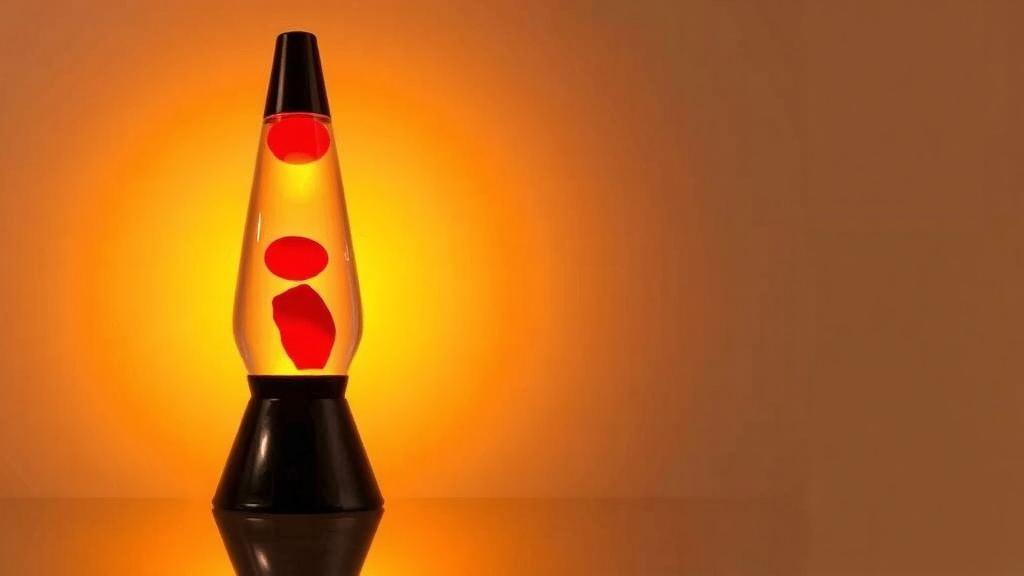
This is when the magic starts. Wax forms one large blob that rises, cools at the top, and sinks back down. Many experts say a single big blob is a sign your lamp is reaching proper temperature.
Once fully warmed, the wax should rise and fall in a slow, steady rhythm. If it’s racing around like a lava lamp on espresso, your bulb may be too hot.
Factors That Affect How Fast Your Lava Lamp Warms Up
Not all lamps heat up at the same pace. We found that a handful of everyday factors make the biggest difference, and most of them are easy to fix.
Bulb Wattage and Type
The bulb is the heater, so it matters a lot. Using the wrong wattage is the number one reason lamps act sluggish. Too low, and the wax never loosens. Too high, and the wax breaks into cloudy bits.
Stick with the bulb the manufacturer recommends. Most classic-style lamps use a specific incandescent bulb, and swapping in an LED won’t work because LEDs don’t produce enough heat.
Room Temperature
A cold room can add an hour or more to your warm-up time. Room temperature affects how quickly the glass and wax reach operating temperature. Many experts suggest keeping the room around 68 to 72 degrees Fahrenheit for best results.
Placing your lamp near a drafty window or an AC vent? That’s like asking soup to stay hot in the fridge. Move it somewhere stable and cozy.
Lamp Size and Wax Volume
Bigger lamps hold more wax, and more wax takes longer to heat. A small 16-inch lamp may flow in about 2 hours, while a large 27-inch model can need 4 hours or more.
| Lamp Size | Typical Warm-Up Time |
|---|---|
| Small (under 16 inches) | 1 to 2 hours |
| Classic (16 to 20 inches) | 2 to 3 hours |
| Large (27 inches and up) | 3 to 5 hours |
| First-ever run (any size) | Up to 6 hours |
How Long Should You Leave a Lava Lamp On?
Keep runs under 10 hours at a time. Extended heat can permanently break down the wax, turning it cloudy or mushy. Most manufacturers include this warning in their care guides, and it’s worth following.
A good habit is to switch the lamp on in the evening and off before bed. That gives you a perfect viewing window without overstressing the wax.
Signs Your Lamp Has Been On Too Long
Your lamp will tell you when it’s had enough. Watch for these warnings:
- The wax stops forming clean blobs and turns hazy.
- Everything blends into one flat, cloudy layer.
- The glass base feels uncomfortably hot to the touch.
- The fluid looks discolored or foggy.

Quick Tips to Help Your Lava Lamp Flow Faster
You can’t rush physics, but you can give it a gentle nudge. Here’s a checklist we put together to speed up warm-up safely:
- Use the right bulb — match the wattage listed on your lamp’s base.
- Warm the room — keep it between 68 and 72 degrees.
- Pick a good spot — away from AC vents, fans, and cold windows.
- Run it longer the first time — give a new lamp up to 6 hours.
- Rotate runs — let the lamp cool fully between uses.
- Hands off — no shaking, stirring, or tilting while it warms.
Common Warm-Up Problems and Fixes
Sometimes a lamp refuses to cooperate no matter how patient you are. Here are the issues we found reported most often, along with simple fixes. Our lava lamp troubleshooting guide walks through each of these fixes step by step.
Wax Stays Stuck at the Bottom
If hours pass and the wax never moves, check the bulb first. A burned-out or wrong-wattage bulb is the usual culprit. Still stuck after that? The lamp may have been shaken in transit, which mixes the contents and disrupts the density balance.
The fix here is patience. Run the lamp in normal cycles and let the wax re-separate over several days. Some lamps need a week or more to recover.
Wax Splits Into Tiny Bits
Small floating specks usually mean the lamp got too hot or was disturbed while warm. Turn it off and let it cool completely, then run normal cycles again. Over time, the wax often re-forms into larger blobs.
If the fluid stays cloudy for weeks, the mixture may be permanently compromised. At that point, a replacement lamp is honestly the easiest path. If you’re unsure whether to replace it, our guide to telling if a lava lamp is broken can help you decide.
Wax Stuck at the Top
Wax that won’t come down has cooled at the top while the bottom stays hot. Turn the lamp off for a few hours so everything evens out, then restart. Many lava lamp fans call this a “stall,” and it usually clears on its own.
Do New Lava Lamps Really Take Longer?
Yes, and there’s a reason. Fresh lamps ship with wax that’s fully settled and often cold from warehouse storage. The wax also needs a few heat cycles to settle into its rhythm.
Many owners report their lamps flow best after several full run-and-cool cycles. So if week one looks underwhelming, give it time. Your lamp is basically breaking itself in, like a new pair of sneakers.
Conclusion
Your lava lamp isn’t broken — it’s just slow. We researched how these lamps heat up, and the pattern is clear: expect 2 to 3 hours for a normal flow, up to 6 hours for a first run, and longer in a cold room. The biggest wins are simple. Use the correct bulb wattage, keep the room warm, and never shake the lamp while it heats. Also, cap your runs at 10 hours so the wax stays healthy for years. If your lamp still looks stuck after a few patient cycles, double-check the bulb before assuming the worst. Now go pick a cozy spot for your lamp, switch it on, and give it the time it deserves — that groovy flow is worth the wait.
Frequently Asked Questions
Can I leave my lava lamp on overnight?
We don’t recommend it. Running a lamp past 10 hours overheats the wax and can permanently cloud it. Switch it on in the evening and turn it off before you sleep.
Does a lava lamp use a lot of electricity while warming up?
Not really. Most classic lava lamps use a bulb between 25 and 40 watts, which costs only a few cents per hour to run. The long warm-up time matters more for your patience than your bill.
Can I touch or move my lava lamp while it’s warming up?
It’s best to leave it alone. Moving the lamp while the wax is soft can disturb the density balance and cause cloudy fluid or stray blobs. Wait until it cools completely before relocating it.
Why is my lava lamp’s wax one solid blob instead of flowing?
A single large blob usually means the wax hasn’t reached full temperature yet. Give it another hour on a steady heat cycle. New lamps often need several full run-and-cool cycles before they break up properly.
Do lava lamps expire or go bad over time?
They can degrade, but slowly. Repeated overheating, shaking, or wrong bulbs shorten the wax’s lifespan the most. With gentle use and proper run times, a quality lamp can flow happily for many years.