How Long to Leave a Heat Lamp on Chicks: Week-by-Week Guide
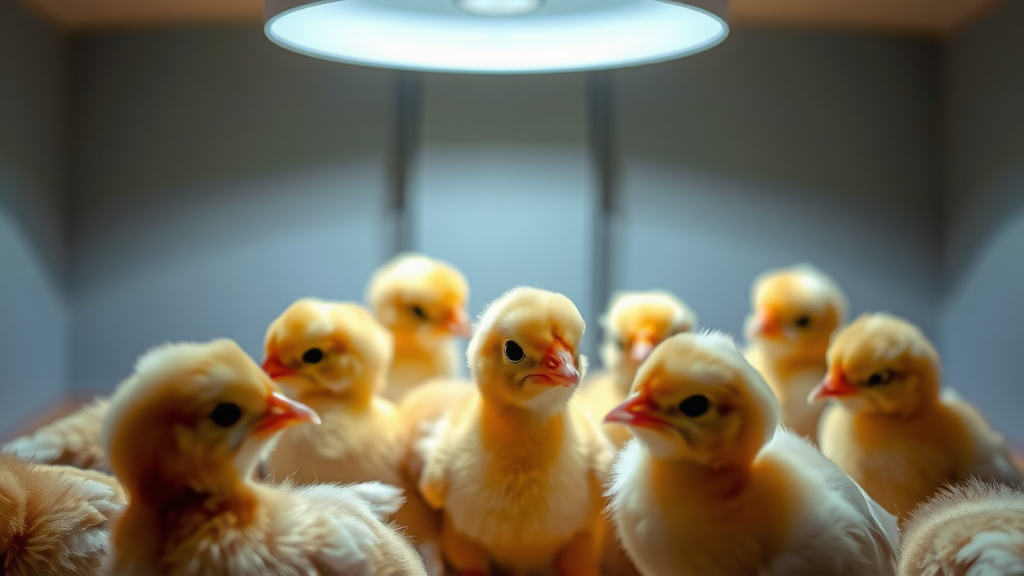
You should leave a heat lamp on your chicks 24 hours a day for their first few weeks of life. Baby chicks can’t regulate their own body temperature yet, so they depend on that steady warmth source to survive. Most chicks need the lamp until they’re around 4 to 6 weeks old, or until they’re fully feathered. Our full guide to the week-by-week heat lamp timeline walks through each stage in detail.
But here’s the thing: it’s not just about how long you run the lamp. The temperature under the lamp matters just as much, and it changes as your chicks grow. You’ll start around 95°F in week one and lower it by about 5 degrees each week. We researched what poultry experts recommend, and the good news is that your chicks will actually tell you if they’re too hot or too cold.
- Keep the heat lamp on 24/7 for the first 4 to 6 weeks.
- Start at 95°F and drop the temperature about 5°F each week.
- Watch your chicks’ behavior — huddling means cold, panting means hot.
- Fully feathered chicks can usually handle life without the lamp.
- Always have a backup plan in case the bulb burns out or the power goes out.
Let’s walk through exactly how this works, week by week, so you can raise happy, healthy chicks with total confidence.
How Long Chicks Really Need a Heat Lamp
Most chicks need a heat lamp for 4 to 6 weeks. Some breeds feather out faster and quit the lamp at week 3. Slow-feathering breeds, like Silkies, may need warmth a bit longer.
The real signal isn’t the calendar. It’s the feathers. Fully feathered chicks can hold their own body heat, even at night. Research on chick development shows feather growth follows a fairly predictable pattern, so you can plan around it (University of Kentucky Extension).
Think of it like a kid learning to ride a bike. You don’t take the training wheels off on a schedule. You take them off when the kid is ready.
Week-by-Week Heat Lamp Temperature Chart
Here’s the schedule we found works best. Start at 95°F under the lamp during the first week. Then drop the temperature about 5 degrees each week until you reach room temperature.
| Chick’s Age | Temperature Under Lamp | What’s Happening |
|---|---|---|
| Week 1 | 95°F | Down only, no feathers yet |
| Week 2 | 90°F | Wing feathers start showing |
| Week 3 | 85°F | Feathers spread across the body |
| Week 4 | 80°F | Chest and back mostly feathered |
| Week 5 | 75°F | Nearly fully feathered |
| Week 6 | 70°F or room temp | Ready to live without the lamp |
Easy, right? Just lower the lamp a few inches each week, or use a smaller bulb. Your chicks won’t even notice the change.
Should You Turn the Heat Lamp Off at Night?
No — at least not for the first few weeks. Chicks need steady warmth around the clock because they can’t regulate their body temperature yet. Even a few cold hours at night can stress them or worse.
We found that sudden temperature swings are one of the most common causes of early chick losses. Nighttime temps drop fast, especially in a garage or barn, so keep that lamp burning.
When Nighttime Shutdown Becomes Okay
Once your chicks are fully feathered, usually around week 5 or 6, they can handle overnight without extra heat. If your brooder stays above 65°F at night, you’re in good shape.
Many experts suggest a transition period first. Turn the lamp off for a few hours during a warm day. Watch how the chicks react. If they stay active and spread out, they’re ready for the real thing.
Reading Your Chicks: What Their Behavior Tells You
Your chicks are honest little critics. They’ll huddle, scatter, or chirp their way through every temperature complaint. Your job is to listen.
Signs Your Chicks Are Too Cold
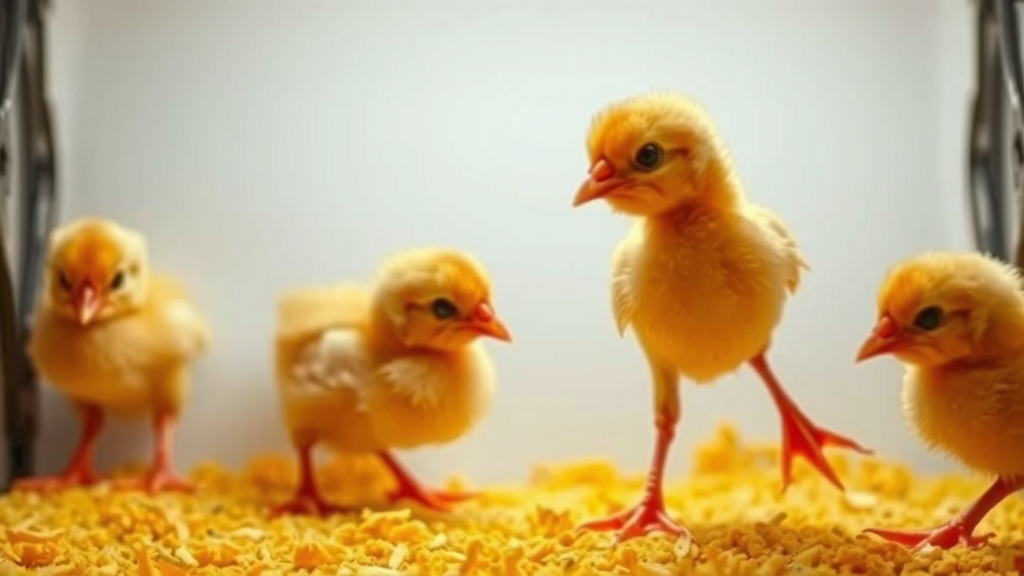
- Huddling in a tight pile directly under the lamp
- Loud, distressed peeping that doesn’t stop
- Sluggish movement or sitting fluffed up and still
Signs Your Chicks Are Too Hot
- Panting with open beaks
- Pressing against the brooder walls, far from the lamp
- Holding their wings away from their bodies
Chicks spread out evenly around the brooder? That’s the sweet spot. Many guides from poultry extension services describe this behavior-based method as more reliable than any thermometer reading alone (University of Georgia Extension).
Heat Lamp Safety Tips Every Chick Owner Should Know
Heat lamps cause more chicken coop fires than any other piece of equipment. A little prevention goes a long way here.
- Secure the lamp with a chain or clamp, never just the clip alone
- Keep the bulb at least 18 inches above bedding
- Use a bulb guard so bedding can’t touch the hot bulb
- Check cords for chewing damage daily
- Never leave flammable material near the fixture
We found that many fires happen when a clip lamp slips and falls into bedding overnight. Chains cost a couple of dollars. Sleep better knowing your brooder isn’t a fire hazard.
What Happens If the Power Goes Out or the Bulb Burns Out
It happens to everyone eventually. The bulb dies at 10 p.m., or a storm knocks out the power. Have a backup plan ready before you need it.
Simple Backup Options
- Keep a spare heat bulb in the house at all times
- Hot water bottles wrapped in towels inside the brooder
- A microwaveable heating pad made for pets
- Bringing the brooder into a warm room, like a bathroom
For very young chicks, even 2 to 3 hours without heat can be dangerous in a cold room. Many extension guidelines recommend checking on your brooder at least twice a day during the first weeks so problems never go unnoticed for long.
Can Chicks Stay Warm Without a Heat Lamp?
Sometimes, yes. A broody hen is the original heat lamp. She’ll keep chicks warm, teach them to scratch, and handle the whole job without electricity.
Without a hen, some keepers use radiant heat brooder plates instead of lamps. These plates let chicks press against a warm surface, more like they’d snuggle under a mother hen. Many keepers report they use less electricity and pose a much lower fire risk. Our comparison of heat plate vs lamp safety breaks down the trade-offs in detail.
Whatever heat source you choose, the temperature rules stay the same. Start at 95°F and work down about 5 degrees per week.
Quick Chick Brooder Checklist
Before your chicks arrive, run through this list. Being ready beats scrambling later.
- Thermometer placed at chick level in the brooder
- Spare heat bulb stored where you can grab it fast
- Lamp secured with a chain, not just a clip
- Clean bedding, waterer, and feeder set up before day one
- Draft shield around the brooder to block cold air
- A backup heat plan written down for power outages
Conclusion
Raising chicks isn’t complicated once you know what they need. Keep that heat lamp running 24/7, start at 95°F, and step the temperature down about 5 degrees each week. Your chicks will outgrow the lamp somewhere between week 4 and week 6, and their feathers — not the calendar — will tell you when they’re ready.
We found the biggest mistakes come down to two things: letting the brooder get cold overnight and skipping basic lamp safety. You now know how to avoid both. Set up your brooder, secure that lamp with a chain, and stash a spare bulb nearby. Your first week with your new chicks starts now, and you’ve got this.
Frequently Asked Questions
Can I use a regular light bulb instead of a heat lamp bulb?
A regular incandescent bulb gives off some heat, but it’s not reliable enough for newborn chicks. We recommend sticking with a true heat bulb rated for brooders, usually 100 to 250 watts. Regular bulbs also burn out faster and can’t hold a steady temperature in a cool room.
Do chicks need a heat lamp if they’re inside my house?
Yes, for the first few weeks. Even a warm home usually sits around 68 to 72°F, which is far below the 95°F newborn chicks need. A lamp is still the safest way to give them the heat they can’t make themselves yet.
How high should the heat lamp be above the chicks?
Keep the bulb at least 18 inches above the bedding to reduce fire risk, then raise or lower it to hit your target temperature. If the thermometer at chick level reads too warm, raise the lamp a few inches. Too cool? Lower it slightly.
What temperature is too cold for chicks at night?
Chicks under two weeks old can get dangerously chilled if the brooder drops below about 90°F near their heat source. Older, feathered chicks handle cooler nights fine once temps stay above 65°F. When in doubt, add heat and watch their behavior.
Can I leave a heat lamp on 24/7 without it catching fire?
Yes, if you set it up safely. Secure the fixture with a chain, use a bulb guard, keep bedding away from the bulb, and check the cord daily for damage. Fires almost always come from loose clips, frayed cords, or flammable bedding touching a hot bulb — not from the lamp simply running overnight.