How Long Food Stays Safe Under Heat Lamp
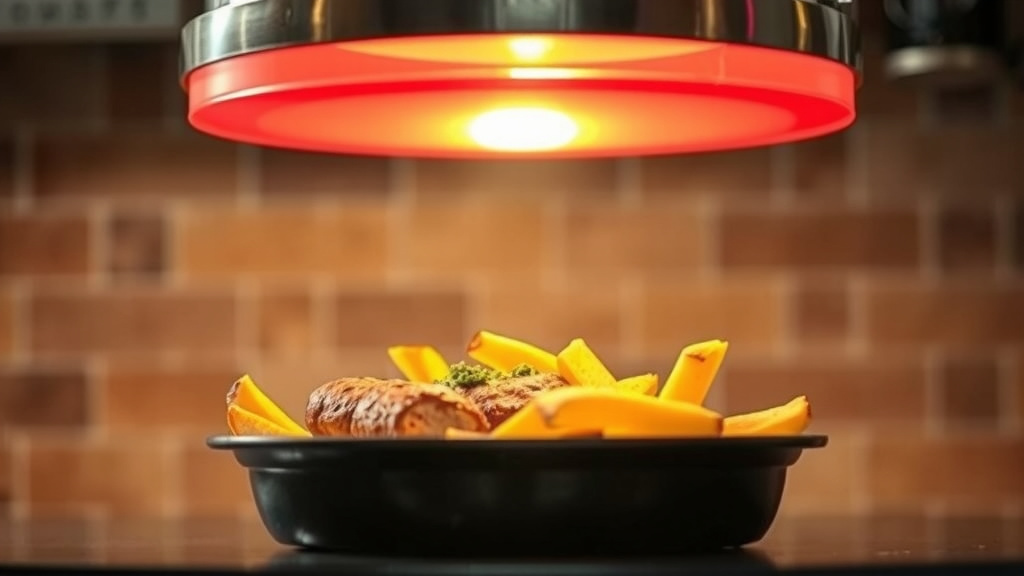
Generally, most foods can stay under a heat lamp for about 2 to 4 hours before their quality significantly declines. While a heat lamp can keep food warm, it doesn’t cook it or prevent bacterial growth indefinitely. For food safety, it’s essential to adhere to recommended holding times to avoid risky temperatures. We found that exceeding these times can lead to dry, unappetizing food and potential health hazards.
Understanding how long food stays safe and palatable under a heat lamp depends on several factors. These include the type of food, the heat lamp’s temperature, and how often the food is disturbed. We found that lean meats and delicate items have shorter safe holding times than heartier dishes. Proper temperature monitoring is absolutely critical for any establishment relying on heat lamps.
- Food quality dips significantly after 2-4 hours.
- Bacterial growth is a major concern beyond this time.
- Different foods have varying safe holding limits.
- Temperature is key for both safety and taste.
- Always check food temperature with a thermometer.
Let’s dive into the specifics of how long various foods can safely and deliciously hang out under the warm glow of a heat lamp.
Holding Food Under a Heat Lamp: What You Need to Know
So, you’ve got some delicious food ready to serve, and you want to keep it warm. A heat lamp seems like the perfect solution, right? We all want our guests to enjoy food that’s just as good as when it was first prepared. But how long can food really stay under that glowing warmth before it starts to suffer? We found that while heat lamps are fantastic for maintaining temperature, they aren’t magic wands for indefinite food preservation.
The general consensus from food safety experts is that most hot foods shouldn’t be held at serving temperature for more than a few hours. We’ve looked into the guidelines, and the sweet spot for quality and safety is typically between 2 and 4 hours. Beyond that, you’re venturing into risky territory for both taste and health. Let’s break down what happens and what you need to watch out for.
The Science Behind Heat Lamps and Food
A heat lamp’s primary job is simple: to keep food hot. It does this by radiating heat. Think of it like a mini-sun for your dishes. However, it’s crucial to understand that it’s not a cooking device, nor is it a foolproof method for preventing bacterial growth. We found that relying solely on a heat lamp without considering other factors can lead to disappointment.
Temperature Matters More Than You Think
The ideal temperature range for holding cooked food is between 135°F (57.2°C) and 140°F (60°C). Below this, bacteria can multiply rapidly. We found that many heat lamps struggle to consistently maintain this upper threshold, especially as the food sits. The FDA Food Code recommends keeping hot food at 135°F or higher (FDA).
This is why checking the actual temperature of the food is non-negotiable. Don’t just trust the lamp’s setting. We found that using a reliable food thermometer is your best friend here. If the temperature dips below 135°F for too long, it’s time to discard the food. We’re talking about potential foodborne illness if those bacteria have a party.
What Happens to Food Over Time?
When food sits under a heat lamp, a few things can happen:
- Drying Out: The constant heat can evaporate moisture from the food’s surface. This is especially true for leaner meats and delicate items.
- Texture Changes: Proteins can continue to cook and toughen, making food rubbery or dry.
- Quality Decline: Flavors can become dull, and the overall appeal diminishes.
- Bacterial Growth: If the temperature isn’t consistently in the safe zone, bacteria can start to multiply.
We found that even if the food remains at a safe temperature, the moisture loss is often the first enemy of quality. Think of a perfectly juicy burger left under a heat lamp for too long – it’s rarely as good as the first bite.
How Long Can Different Foods Stay Under a Heat Lamp?
Not all foods are created equal when it comes to heat lamp endurance. Some items hold up better than others. We’ve gathered some general guidelines based on food type.
Meats and Poultry
Leaner cuts of meat, like chicken breasts or fish, tend to dry out much faster. We found that these are best served fresh from the cooking source. If you must hold them, aim for a maximum of 2 hours. Fattier cuts or stews can sometimes fare a little better due to their higher moisture content, potentially lasting up to 4 hours if kept at the correct temperature.
Fried Foods
Ah, the delicate balance of crispiness! Fried foods are notoriously difficult to keep appealing under a heat lamp. The heat and steam can quickly turn a perfectly crisp exterior into a soggy disappointment. We found that while they might be safe to eat for longer, their desirable texture is usually gone within 30 minutes to an hour. Some specialized “crisping lamps” might extend this slightly, but it’s a race against time.
Soups, Stews, and Sauces
These are generally the best candidates for heat lamp holding. Their high moisture content helps prevent them from drying out quickly. We found that hearty stews and rich sauces can often hold well for up to 4 hours, provided they are kept at a consistent temperature of 135°F or above. Stirring them occasionally helps distribute the heat evenly.
Vegetables and Starches
Cooked vegetables can become mushy and lose their appeal relatively quickly. We found that their holding time is typically similar to meats, around 2-3 hours. Starches like rice or pasta can also dry out and clump together. If serving these from a heated holding unit, consider adding a little extra liquid or butter to prevent them from becoming unappetizing.
Key Factors Influencing Holding Times
We’ve touched on food type, but several other elements play a role in how long food remains safe and palatable.
The Heat Lamp Itself
Not all heat lamps are created equal. Some are more intense than others. We found that lamps that are too close or too hot can literally scorch the food’s surface while leaving the inside cool. Conversely, lamps that are too weak might not keep the food safely hot. It’s about finding the right balance and distance.
Initial Food Temperature
You should never place lukewarm food under a heat lamp hoping it will cook up to a safe temperature. Food must be cooked thoroughly first and then brought up to serving temperature before being placed under the heat lamp. We found that starting at the right temperature is a critical first step.
How Often is the Food Accessed?
Every time the food is disturbed – a scoop taken, a lid lifted – it loses heat. Frequent access means more temperature fluctuations. We found that this constant opening and closing can significantly shorten the effective holding time, especially for items in chafing dishes or steam tables. This is why consistency is so important.
Your Heat Lamp Holding Checklist
To make sure you’re serving food that’s both safe and delicious, here’s a quick checklist we found helpful:
- Cook thoroughly before holding.
- Preheat holding equipment.
- Monitor temperature regularly with a thermometer.
- Discard food held below 135°F for more than 2 hours.
- Don’t hold for longer than 4 hours, even if hot.
- Consider freshness – when in doubt, throw it out!
Conclusion
You now have a clearer picture of how long your food can safely and deliciously stay under a heat lamp. Remember, the general guideline is 2 to 4 hours, but this varies greatly by food type. We found that consistent temperature monitoring with a thermometer is non-negotiable for preventing bacterial growth and maintaining quality. Don’t just rely on the lamp’s heat; check the food itself. Your next step is to implement a quick temperature check before every service or holding period to ensure everything is perfectly safe and tasty for your diners.
Frequently Asked Questions
Can I leave food under a heat lamp overnight?
No, you should never leave food under a heat lamp overnight. Food safety guidelines strongly recommend discarding food that has been held at serving temperatures for more than 4 hours, regardless of whether it appears or feels hot. Beyond this timeframe, the risk of bacterial contamination increases significantly, even if the temperature is still above 135°F.
What is the safest minimum temperature for holding food under a heat lamp?
The safest minimum temperature for holding hot food is 135°F (57.2°C). We found that the FDA Food Code recommends this temperature or higher to prevent rapid bacterial growth. Temperatures below this threshold enter the “danger zone” where harmful bacteria can multiply quickly.
Will a heat lamp dry out my food?
Yes, a heat lamp can definitely dry out your food, especially lean meats, poultry, and delicate items. The constant radiant heat causes moisture to evaporate from the surface over time. We found that dishes with higher moisture content, like soups and stews, tend to hold up better.
Can I reheat food under a heat lamp?
No, a heat lamp is designed for holding food at a safe serving temperature, not for reheating. Reheating requires bringing food quickly to a safe internal temperature (165°F or 74°C) to kill bacteria. A heat lamp will likely only dry out or scorch the food before it reaches a safe reheating temperature.
How can I keep fried foods from getting soggy under a heat lamp?
Keeping fried foods crispy under a heat lamp is a challenge. We found that their desirable texture is usually lost within an hour. For short holding periods, consider a heat lamp designed for crisping or a perforated pan to allow steam to escape. For longer holds, it’s often best to fry in smaller batches and serve immediately.