How Long Can a Lamp Be Left On Safely
You can generally leave most lamps on for extended periods, even overnight, especially if they use LED bulbs. These bulbs produce very little heat, making them safe to run for hours. Traditional incandescent bulbs get much hotter and raise concerns about overheating, but modern lamps are designed with safety in mind.
Leaving a lamp on might seem like a minor detail, but it touches on energy use and bulb lifespan. We found that the type of bulb is the biggest factor influencing how long you can safely leave a lamp on. Older bulbs might make you worry more about heat, but newer options are generally quite dependable for continuous use.
- LED bulbs are the safest and most energy-efficient option for long periods.
- Incandescent bulbs get hot and should be monitored more closely.
- Halogen bulbs also get quite hot.
- Check your lamp’s wattage limits and bulb type.
- Modern lamps have safety features built-in.
Ready to figure out the best way to manage your lamps? Let’s walk through what you need to know about leaving your lights on.
How Long Can You Safely Leave a Lamp On?
You’re probably wondering if it’s okay to leave a lamp on all night or when you’re away. For most modern lamps, especially those with LED bulbs, the answer is usually yes. We’ve found that the type of bulb is the biggest player in this decision. Older styles might make you nervous, but newer technology is quite forgiving.
Understanding Bulb Types and Heat Output
The main concern when leaving a lamp on for long periods is heat. Too much heat can damage the lamp, the bulb, or even pose a fire risk. Different bulb types produce heat at different rates, and this is key to understanding safety. Different bulb types produce heat at different rates, and this is key to understanding safety and potential fire risk.
LED Bulbs: The Coolest Option
LEDs are the rockstars of energy efficiency. They produce very little heat compared to older bulbs. This makes them an excellent choice for lamps you might want to leave on for extended periods, like overnight for a night light or for security. Many experts note that LEDs operate at much lower temperatures, significantly reducing the risk of overheating (U.S. Department of Energy).
Because they stay so cool, you don’t have to worry as much about them. Think of them like a quiet, efficient roommate who never raises the temperature. We found that lamps with LED bulbs are generally safe to leave on for hours on end without issue.
Incandescent Bulbs: The Old Faithfuls (with a Catch)
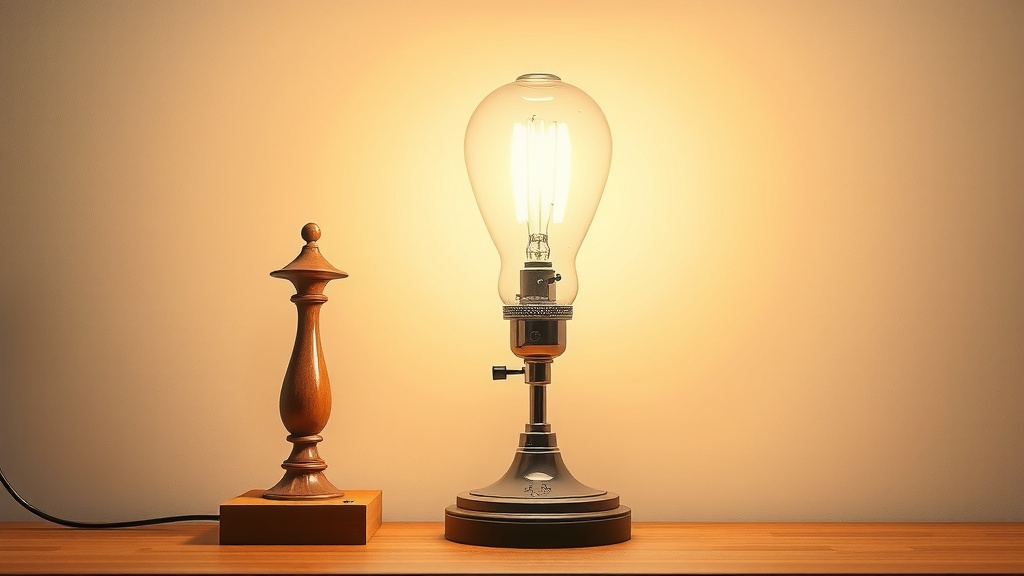
These are the classic bulbs that glow with a warm, familiar light. However, they work by heating a filament until it glows, which means they produce a lot of heat. If you have an older lamp with an incandescent bulb, you should be more cautious.
Leaving an incandescent bulb on for a very long time, especially in a poorly ventilated lamp or shade, could potentially lead to overheating. It’s wise to check if the lampshade feels excessively hot after a few hours. Many safety guidelines recommend turning these off when not in use for extended periods, like when you leave the house for the day (National Fire Protection Association).
Halogen Bulbs: Similar Heat Concerns
Halogen bulbs are a type of incandescent bulb but are often more energy-efficient. However, they also get quite hot during operation. Like traditional incandescents, they have a filament that generates heat to produce light.
If your lamp uses halogen bulbs, it’s a good idea to monitor their temperature. They can be safe for many hours, but the risk of overheating is higher than with LEDs. Always ensure there’s good airflow around the bulb and that it’s not touching any flammable materials like paper or fabric.
Lamp Design and Safety Features
Lamps aren’t just about the bulb; the lamp itself plays a role in safety. Manufacturers design lamps with specific bulb types and wattages in mind. Modern lamps often have features that help manage heat and prevent accidents.
Wattage Limits are Your Friend
Every lamp has a maximum wattage limit, usually printed on a sticker near the socket. This tells you the highest wattage bulb you should use. Exceeding this limit can cause the lamp to overheat, even if the bulb itself isn’t the primary issue.
For example, if your lamp says “Max 60W,” you shouldn’t put in a 100W incandescent bulb. Even if the bulb fits, it will generate too much heat for the lamp’s wiring and design. We found that following these limits is a straightforward way to ensure your lamp operates safely.
Shade Materials Matter
The lampshade can also affect how heat dissipates. Fabric or paper shades can be flammable if they get too hot. If you use a higher-heat bulb like an incandescent or halogen, ensure the shade is made of heat-resistant material or has enough space for air to circulate. Vented shades are much better for heat dispersion.
Built-in Safety Mechanisms
Many newer lamps come with safety features. Some might have thermal cut-offs that automatically shut the lamp off if it gets too hot. Others are made with non-flammable materials for the base and shade. These are great indicators that the lamp is designed for more robust use.
When to Be Extra Cautious
While most lamps are safe for extended use, there are times when you should definitely turn them off. These situations require a bit more vigilance.
When You’re Away for Extended Periods
If you’re going on vacation for several days or weeks, it’s generally best practice to unplug or turn off all lamps and appliances that aren’t essential. While a modern LED lamp is unlikely to cause problems, why take the chance? It’s a simple step that can offer peace of mind.
Lamps in Cluttered Areas
Is your lamp sitting near piles of papers, curtains, or other flammable materials? If so, you should be extra careful. Even a cool LED bulb could theoretically be too close to something that could ignite with prolonged, intense heat. We found that ensuring at least a few inches of clearance around the bulb and shade is a good general rule.
Older or Damaged Lamps
If you have an old lamp that looks worn, has frayed wires, or a cracked plug, it’s best to err on the side of caution. These lamps might not have modern safety features and could pose a greater risk. It might be time to replace it with a newer, safer model.
A Quick Checklist for Lamp Safety
Here’s a handy list to help you decide if your lamp is good to go for long hours:
- Check the Bulb Type: Are you using LEDs? If so, great!
- Know Your Wattage: Is the bulb wattage within the lamp’s limit?
- Feel the Heat: After a couple of hours, is the shade or base unusually hot?
- Clear the Area: Is the lamp surrounded by flammable items?
- Inspect for Damage: Are there any signs of wear or damage to the lamp or cord?
- Consider Your Absence: Will you be away for more than a day or two?
Conclusion
You’ve learned that leaving a lamp on is generally safe, especially with modern LED bulbs. These bulbs stay cool and are energy-efficient, making them ideal for extended use. Older incandescent and halogen bulbs generate more heat, so it’s wise to monitor them and ensure good ventilation. Always respect your lamp’s wattage limits and keep flammable materials clear. Now, make a quick check of your lamps using our checklist. You’ll feel more confident about their safe operation in your home.
Frequently Asked Questions
Can I leave a lamp on 24/7?
Yes, you generally can leave a lamp on 24/7 if it uses an LED bulb. LEDs produce minimal heat and are designed for continuous operation. For older bulb types, it’s best to check for excessive heat and ensure good airflow to prevent overheating.
Will leaving a lamp on all night increase my electricity bill drastically?
Leaving a lamp on overnight will add to your electricity bill, but the cost depends heavily on the bulb type. LED bulbs use very little energy, so the increase will be minimal. Incandescent bulbs use much more energy, leading to a more noticeable rise in your bill.
What if my lamp’s shade is touching the bulb?
If your lamp’s shade touches the bulb, you should turn it off immediately. This is a fire hazard, especially with hotter bulbs like incandescent or halogen. Ensure there’s space between the bulb and the shade, and consider using a lower-wattage bulb or an LED if heat is an issue.
Is it safe to use a lamp with a frayed cord?
No, it is not safe to use a lamp with a frayed cord. A frayed cord is a serious electrical hazard that could lead to shocks or fires. You should unplug the lamp immediately and either repair the cord or replace the lamp.
Can I put a higher wattage bulb in my lamp if it doesn’t get too hot?
No, you should always follow the maximum wattage limit specified for your lamp, even if the higher-wattage bulb doesn’t feel hot. Exceeding the wattage limit can damage the lamp’s wiring and internal components, creating a potential fire risk over time.