Heat Lamp Bulb Temperature: How Hot Do They Get
Heat lamp bulbs can get very hot, often reaching temperatures between 300°F and 1000°F (150°C to 540°C), depending on their type and intended use. These high temperatures are normal and necessary for their function, whether it’s for keeping food warm, providing comfort in bathrooms, or aiding in reptile habitats.
The heat output varies significantly between different kinds of bulbs. For example, incandescent heat bulbs designed for livestock or bathrooms will feel much warmer to the touch than a gentler infrared bulb used for food warming. We found that understanding the specific type of bulb is key to knowing how hot it will get and how to use it safely.
TL;DR:
- Heat lamp bulbs can get extremely hot.
- Temperatures range from 300°F to 1000°F.
- Different bulb types have different heat levels.
- Safety is important when using hot bulbs.
- Know your bulb type for safe operation.
Ready to dive deeper? Below, we break down the specific temperatures you can expect from various heat lamp bulbs and what you need to know for safe and effective use.
Understanding Heat Lamp Bulb Temperatures
Heat lamp bulbs can reach surprisingly high temperatures. You might be wondering just how hot they get. We found that their heat output varies greatly depending on the bulb’s design and purpose.
Incandescent Heat Bulbs: The Workhorses
Incandescent heat bulbs are some of the most common types. They work by heating a filament inside the bulb. This filament gets extremely hot when electricity passes through it.
Standard Incandescent Temperatures
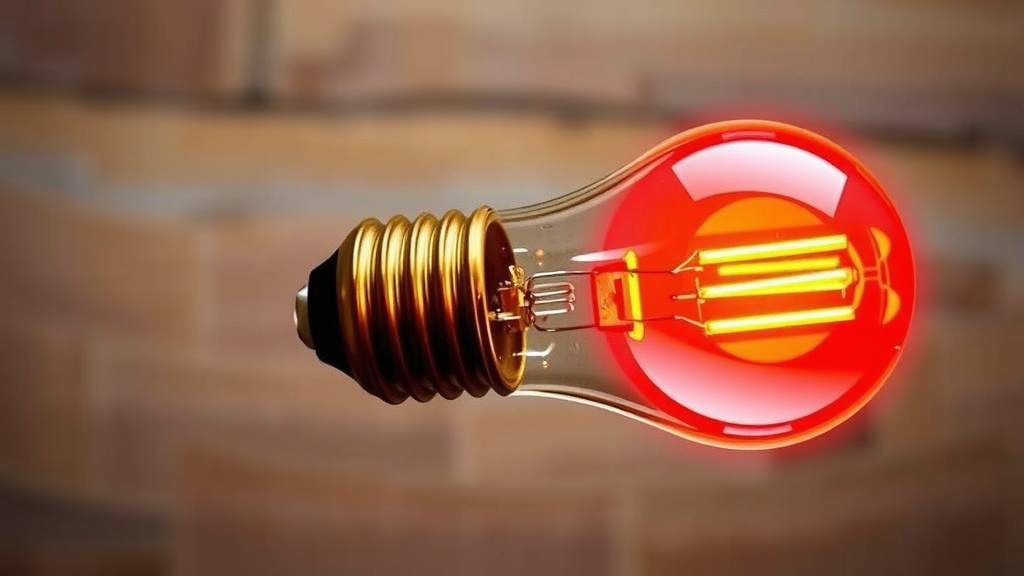
A typical incandescent heat bulb, often used for warming livestock or in bathrooms, can easily reach surface temperatures between 300°F and 500°F (150°C to 260°C). These are the kinds that glow red or orange when on. They are designed to emit a lot of radiant heat.
High-Wattage Incandescent Bulbs
For more intense heating needs, you might encounter higher-wattage incandescent bulbs. These can push their surface temperatures even higher, sometimes reaching up to 700°F (370°C). Always check the manufacturer’s specifications for precise temperature ratings.
Infrared Heat Bulbs: Targeted Warmth
Infrared heat bulbs are a bit different. They are designed to emit infrared radiation, which directly heats objects and people without heating the surrounding air as much. This makes them efficient for specific applications.
Types of Infrared Bulbs and Their Heat
There are several types of infrared bulbs, each with different temperature profiles.
Ceramic Heat Emitters (CHEs)
Ceramic heat emitters are popular in reptile terrariums. They don’t produce light, only heat. We found that CHEs typically operate between 300°F and 750°F (150°C to 400°C). The ceramic material itself gets very hot to the touch.
Deep Heat Projectors (DHPs)
Deep Heat Projectors are another type of infrared bulb. They are designed to penetrate deeper into tissues, mimicking natural sunlight. Their surface temperatures can range from 400°F to over 1000°F (200°C to 540°C), depending on the wattage and distance from the target.
Infrared Heat Lamps for Food Warming
Food warming lamps use infrared technology to keep dishes hot. These bulbs are often designed for optimal heat distribution. We found that their surface temperatures generally stay within the 300°F to 600°F (150°C to 315°C) range.
Halogen Heat Bulbs: Intense and Bright
Halogen heat bulbs are a type of incandescent bulb but are more efficient and produce a brighter light. They get very hot, similar to standard incandescents, but can also reach higher surface temperatures due to their construction.
Halogen Temperature Range
You can expect halogen heat bulbs to reach surface temperatures between 400°F and 700°F (200°C to 370°C). Their intense heat output makes them suitable for applications where rapid warming is needed.
Factors Affecting Heat Lamp Bulb Temperature
Several factors influence how hot a heat lamp bulb will get. It’s not just about the type of bulb.
Wattage Matters
Higher wattage bulbs consume more power. This generally means they produce more heat. A 100-watt bulb will get hotter than a 50-watt bulb of the same type. Always match wattage to your specific needs and fixture ratings.
Distance and Ventilation
The distance between the bulb and the object being heated plays a big role. The closer the bulb, the more intense the heat. Proper ventilation is also key. Good airflow helps dissipate excess heat, preventing overheating of the fixture and surrounding materials.
Environment and Ambient Temperature
The ambient temperature of the room or enclosure also affects the bulb’s temperature. In a cold environment, the bulb might need to work harder to reach its target temperature. Conversely, a very hot environment could lead to the bulb getting even hotter.
Safety First: Handling Hot Bulbs
Because these bulbs get so hot, safety is absolutely critical. We learned that improper handling can lead to serious burns or fires. Because these bulbs get so hot, safety is absolutely critical. Our guide explains how heat lamps start fires.
Never Touch a Hot Bulb
It seems obvious, but never, ever touch a heat lamp bulb when it is on or has recently been turned off. The surface can be hundreds of degrees Fahrenheit. Always let it cool down completely before attempting to handle it. We found that even a few minutes after turning off, they remain dangerously hot.
Use Appropriate Fixtures and Guards
Always use heat lamps with fixtures designed for their wattage and heat output. Ceramic sockets are often recommended for high-heat bulbs. For applications like pet enclosures or bathrooms, use protective guards to prevent accidental contact with the bulb.
Keep Flammable Materials Away
Maintain a safe distance between heat lamp bulbs and any flammable materials. This includes curtains, paper, bedding, or cleaning supplies. Many fire safety guidelines recommend a clearance of at least 1 to 3 feet, depending on the bulb’s heat output (National Fire Protection Association).
Quick Safety Checklist
Before you use your heat lamp bulb, run through this quick checklist:
- Is the bulb type appropriate for its intended use?
- Is the fixture rated for the bulb’s wattage?
- Are flammable materials kept at a safe distance?
- Is there adequate ventilation around the bulb?
- Have you allowed the bulb to cool completely before handling?
- Are protective guards in place if needed?
Conclusion
You’ve learned that heat lamp bulbs generate serious heat, ranging from 300°F to over 1000°F. Understanding the specific type of bulb you’re using—whether incandescent, infrared, or halogen—is your first step. We’ve seen how wattage, distance, and the surrounding environment all play a role in the temperatures these bulbs reach. Remember, safety is non-negotiable. Always use the correct fixtures, keep flammable items far away, and never touch a hot bulb. Now that you’re equipped with this knowledge, you can confidently use your heat lamps safely and effectively for their intended purpose.
Frequently Asked Questions
Can I use a regular light bulb as a heat lamp?
No, you absolutely should not use a regular incandescent light bulb as a heat lamp. Regular bulbs are not designed to withstand the high temperatures that heat lamps produce and can overheat, crack, or even cause a fire. They also don’t emit the right type of heat for most applications.
How close can I safely place a heat lamp bulb to my pet?
The safe distance depends heavily on the type of bulb, its wattage, and your pet’s species and needs. For instance, reptile bulbs require specific distances to avoid burns. Always research the manufacturer’s recommendations for your specific bulb and monitor your pet’s behavior closely to ensure they aren’t too close or too far away.
What happens if a heat lamp bulb gets too hot for its fixture?
If a heat lamp bulb gets too hot for its fixture, it can damage the socket, melt the wiring, and pose a serious fire hazard. Always ensure your fixture is rated for the wattage and type of heat bulb you are using. Ceramic sockets are often recommended for high-heat applications.
Do all heat lamp bulbs emit light?
Not all heat lamp bulbs emit visible light. Ceramic heat emitters, for example, are designed to produce heat without any light output, making them ideal for nocturnal animals or situations where light is undesirable. Other types, like incandescent and halogen heat bulbs, do produce light along with their heat.
How long does it take for a heat lamp bulb to cool down?
Heat lamp bulbs can take a significant amount of time to cool down after being switched off, often 15 to 30 minutes or even longer, depending on the bulb’s size and how long it was on. Even after a few minutes, the surface can still be dangerously hot. Always allow ample time for complete cooling before touching or cleaning.