Heat Lamp Height for Chicks: How Far Above Is Right
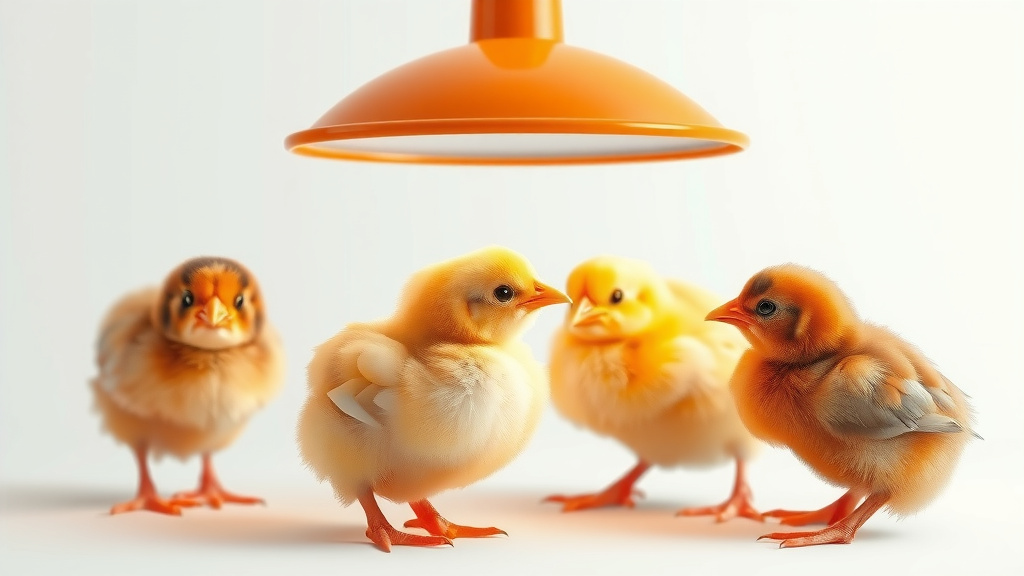
To keep your chicks warm and healthy, aim for a heat lamp to be about 18 to 24 inches above them. This distance is key for providing the right amount of warmth without overheating your little fluffballs. Too close, and they could get scorched or dehydrated. Too far, and they’ll be shivering and unable to digest properly.
Finding that perfect height is super important for their early development. You want them to feel cozy, not cooked! It’s all about creating a safe zone where they can regulate their temperature by moving closer or further from the heat. Getting this just right helps prevent common chick problems and ensures they grow strong.
- Heat lamp should be 18-24 inches above chicks.
- This distance provides the right temperature balance.
- Adjust height based on chick behavior.
- Too close causes overheating; too far causes chilling.
- Proper heat is vital for chick growth and health.
So, how do you know if that 18-24 inch sweet spot is actually working for your flock? Let’s dive into how to fine-tune that heat lamp distance for happy, thriving chicks. Learn more about how long chicks need a heat lamp in our comprehensive guide.
Finding the Right Heat Lamp Height for Your Chicks
So, you’ve got your fluffy little chicks, and they need a cozy spot. Getting the heat lamp height just right is essential for their well-being. The general rule of thumb is 18 to 24 inches from the top of the chick’s head to the bulb. This range provides enough warmth for them to thrive without being too hot.
Why the Right Height Matters So Much
Chicks can’t regulate their body temperature like adult birds. They depend on external heat sources to stay warm. A heat lamp mimics a mother hen’s warmth. When the lamp is at the correct height, chicks can move closer if they’re cold and further away if they’re too warm. This freedom to self-regulate is absolutely vital for their health and development.
Temperature Regulation: The Chick’s Perspective
Imagine being a tiny chick. You’re in a brooder, and there’s a heat lamp. If it’s too high, you’ll feel chilly. You might huddle together, which can lead to suffocation or overheating of chicks at the center of the pile. If it’s too low, you’ll feel like you’re in a sauna. You might pant and get dehydrated. You want to be able to stretch out comfortably, not feel like you’re baking or freezing.
Observable Chick Behavior as a Guide
The best way to gauge if your heat lamp height is correct is to watch your chicks. They will tell you with their actions! If you see them constantly chirping and piling up under the heat source, it’s likely too high or not warm enough. If they are spread far apart from the heat lamp, panting, or seem lethargic, it’s probably too low.
What Huddling Means
Huddling isn’t always a sign of happiness. For chicks, it often means they are uncomfortably cold. They are trying to conserve body heat. This behavior is a red flag that you need to lower the heat lamp or increase the ambient temperature in the brooder.
What Spreading Out Means
When chicks are spread out, especially with their wings slightly ajar, it means they are comfortable. If they are all gathered at the furthest edges of the brooder, away from the heat lamp, they are too hot. You’ll need to raise the lamp.
Factors Influencing Heat Lamp Height Adjustments
The 18-24 inch guideline is a starting point. Several factors can influence how much you need to adjust that height. You’ll need to be observant and make changes as needed. Chick growth and ambient room temperature play a big role.
Chick Age and Size
As chicks grow, their ability to tolerate cooler temperatures increases. Younger chicks, just a few days old, need more consistent warmth. Older chicks, say 3-4 weeks, can handle slightly cooler temperatures and may start to move further from the heat source. You might find yourself gradually raising the lamp as they get older.
Ambient Room Temperature
The temperature of the room where the brooder is located is a major factor. If your brooder is in a chilly basement, you’ll need the heat lamp set lower than if it’s in a warm garage. Many experts recommend the brooder area itself should have a gradient. This means the area directly under the lamp is warmest, and it gets progressively cooler as you move away. This gradient allows chicks to choose their ideal spot (CDC guidelines for poultry care often mention providing a temperature gradient).
Type of Heat Lamp Used
Different heat lamps produce varying amounts of heat. A ceramic heat emitter might require a different height than an incandescent bulb. Some heat lamps have adjustable thermostats, which can make temperature control easier. Always follow the manufacturer’s recommendations for the specific heat lamp you are using, in addition to observing your chicks.
| Chick Behavior | Likely Cause | Action to Take |
|---|---|---|
| Chicks huddled tightly under the lamp | Too cold | Lower the heat lamp (about 1-2 inches at a time) |
| Chicks spread out evenly, active, and chirping normally | Just right | Maintain current height |
| Chicks spread far apart from the lamp, panting, lethargic | Too hot | Raise the heat lamp (about 1-2 inches at a time) |
| Chicks making loud, distressed chirping sounds | Uncomfortably cold or hot | Check temperature immediately and adjust lamp height |
Best Practices for Brooder Setup and Heat Lamp Use
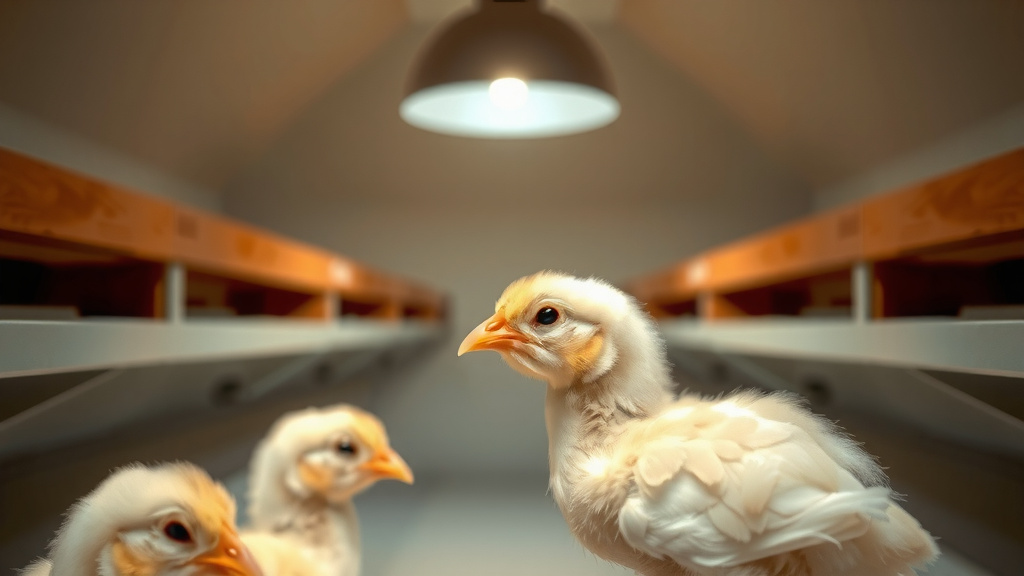
Setting up your brooder correctly from the start makes managing chick temperature much easier. A well-designed brooder ensures safety and comfort for your flock. Think of it as building them a tiny, warm resort.
Using a Thermometer
While chick behavior is your primary guide, a thermometer is a useful tool. Place a thermometer in the brooder, away from the direct heat of the lamp. Aim for a temperature of about 90-95°F (32-35°C) for the first week. You can then gradually decrease the temperature by about 5°F each week. This helps their internal temperature regulation develop properly (University of Maryland Extension often recommends this temperature range).
Creating a Temperature Gradient
As mentioned, a temperature gradient is key. Your brooder should have a warm zone directly under the lamp and cooler zones towards the edges. This allows chicks to move and find their preferred temperature. This is especially important as they grow and their needs change.
Safety First: Heat Lamp Stability
Heat lamps can be a fire hazard if not secured properly. Always use a secure clamp or mounting system. Ensure the lamp cannot fall into the bedding or onto the chicks. Research has shown that a stable mounting is critical to prevent accidents.
Here’s a quick checklist to ensure your heat lamp setup is on point:
- Check lamp height daily.
- Observe chick behavior for cues.
- Use a thermometer for baseline temps.
- Ensure a temperature gradient exists.
- Securely mount your heat lamp.
- Adjust as chicks grow or room temp changes.
Conclusion
You’ve learned that the sweet spot for your heat lamp is generally 18 to 24 inches above your chicks. This distance isn’t just a number; it’s your key to helping them self-regulate their temperature, which is essential for their health and growth. Remember, your chicks are your best indicators! Watch their behavior – whether they’re huddled, spread out, or panting – to fine-tune that height. Always prioritize safety by securing your lamp properly. Now, go create that perfect, cozy brooder environment for your growing flock!
Frequently Asked Questions
How do I know if my heat lamp is too high or too low?
Your chicks will tell you! If they are constantly huddled tightly together under the lamp, it’s likely too high and they’re too cold. If they are spread far apart from the lamp, panting, or seem lethargic, it’s probably too low and they’re too hot. Aim for them to be spread out comfortably, or resting a comfortable distance from the heat.
Can I use a thermometer to check the temperature under the heat lamp?
Yes, a thermometer is a great tool to confirm what your chicks are telling you. For the first week, aim for about 90-95°F (32-35°C) in the brooder area, away from the direct heat. You can then gradually lower the temperature by about 5°F each week as they grow.
How often should I adjust the heat lamp height?
You’ll need to observe your chicks daily, especially in the first couple of weeks. You may need to make small adjustments of 1-2 inches as you notice their behavior changing. As chicks get older, typically around 3-4 weeks, you can gradually raise the lamp higher to accommodate their growing ability to regulate their own temperature.
What if my brooder is in a cold room? Do I need the lamp closer?
If your brooder is in a cooler environment, you might need to set the heat lamp a bit lower than the 18-24 inch guideline. The goal is to create a warm zone for the chicks. However, always watch their behavior closely; if they’re huddling excessively, it’s still too cold, even if the lamp is lower.
Should I use one heat lamp or multiple for a large group of chicks?
For larger groups of chicks, using a single, centrally placed heat lamp set at the correct height usually works best. This allows for a temperature gradient, where chicks can move to cooler areas if they get too warm. Ensure the lamp is powerful enough for the space and observe that all chicks have access to adequate warmth without overcrowding.
![10 Best Bedside Lamp With Usb Port [2026]](https://bestdesklamp.com/wp-content/uploads/2026/08/10-best-bedside-lamp-with-usb-port-2026-featured-768x432.jpg)

![10 Best Bedroom Lamps For Reading [2026]](https://bestdesklamp.com/wp-content/uploads/2026/08/10-best-bedroom-lamps-for-reading-2026-featured-768x432.jpg)