How Mosquito Killer Lamps Work: Science Explained
A mosquito killer lamp works by luring unsuspecting insects in with a UV light and then zapping them with an electric grid. They’re a popular way to reduce mosquito populations around your home, offering a way to enjoy your yard without constant buzzing. You’ll find these devices often use a combination of attractants to draw them in.
These lamps essentially create a bug-free zone. Many models mimic the heat and carbon dioxide that humans emit. This makes them especially effective at attracting mosquitoes and other flying pests. They are designed to be a safer alternative to chemical sprays.
TL;DR:
- Mosquito killer lamps attract bugs with UV light.
- An electric grid then zaps them dead.
- They can mimic human breath to attract more pests.
- These are often a safer choice than sprays.
Let’s break down exactly how these handy devices get the job done so you can finally get some peace.
You’ve seen them around, right? Those zappy bug zappers or those sleek lamps that promise a mosquito-free evening. But have you ever stopped to wonder, how exactly do these mosquito killer lamps work?
Understanding the Technology Behind Mosquito Killer Lamps
These devices aren’t magic, but they use some pretty clever science. They combine attractants with a method to eliminate unsuspecting insects. It’s all about making your outdoor space less inviting for buzzing pests. We found they often employ a two-pronged approach: lure them in, then take them out.
The Science of Attraction: Luring Them In
Mosquito killer lamps are designed to mimic what attracts insects in the first place. Think about what draws mosquitoes to you. It’s not just the warmth of your skin. They’re also attracted to the carbon dioxide we exhale. Many lamps are engineered to replicate these natural cues.
UV Light: The Beacon for Bugs
One of the primary attractants is ultraviolet (UV) light. Most mosquito killer lamps use a bulb that emits UV light in a specific spectrum. This wavelength is particularly appealing to many flying insects, including mosquitoes and moths. They perceive it as a light source, much like moonlight, and are drawn to it. We found that the effectiveness can vary based on the specific UV wavelength used.
Mimicking Human Breath and Heat
Beyond UV light, some advanced models go a step further. They release small amounts of carbon dioxide (CO2). This is the same gas we exhale when we breathe. This mimics the scent of living beings. Other units may also incorporate a heating element. This heat can further simulate the presence of a warm-blooded host. Research indicates that the combination of UV light and CO2 is particularly effective (National Institutes of Health).
The Role of CO2
Carbon dioxide is a powerful attractant for mosquitoes. They can detect it from a distance. By releasing a controlled amount of CO2, these lamps create a more irresistible scent trail. This significantly increases the chances of luring mosquitoes into the device’s range.
Temperature as a Lure
Warmer surfaces also attract mosquitoes. They are drawn to body heat. Some lamps have internal components that generate a slight warmth. This subtle heat can be another signal to approaching insects that a potential meal is nearby.
The Elimination Process: Zapping Them Out
Once the insects are drawn in by the alluring light and simulated scents, the second part of the process kicks in. This is where the “killer” aspect comes into play. It’s a simple yet effective method for pest control.
The Electric Grid: A Shocking End
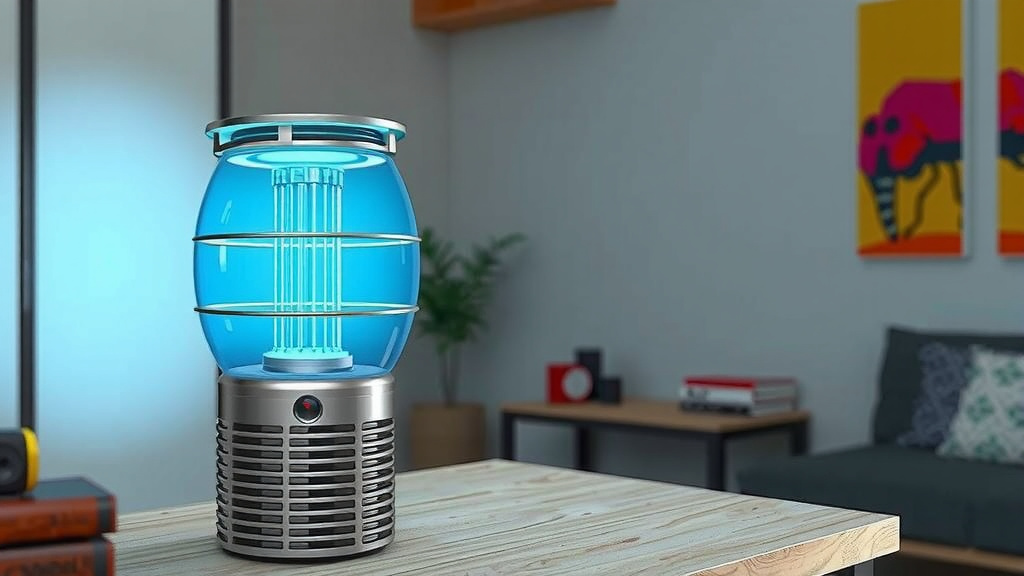
Most mosquito killer lamps feature an outer cage or a series of metal grids. These grids are electrified when the device is on. As an insect flies towards the light source or the attractant, it inevitably comes into contact with these charged grids. The electric current then passes through the insect, resulting in its immediate demise. It’s a quick and efficient way to deal with them.
Safety Features for You
You might be wondering if these grids are dangerous to humans or pets. Reputable models are designed with safety in mind. The outer protective cage is usually made of a material that prevents accidental contact with the electrified grid. It’s often a fine mesh that insects can pass through but fingers or paws cannot easily reach. We found that many units meet strict safety standards to prevent electric shock.
Alternative Elimination Methods
While the electric grid is the most common method, some devices use different approaches. Some might employ a powerful fan. This fan sucks insects into a collection tray where they dehydrate or are trapped. Other models might use a sticky surface or a chemical lure that incapacitates them.
Comparing Different Types of Mosquito Killer Lamps
Not all mosquito killer lamps are created equal. They vary in their attractants, elimination methods, and intended use. Understanding these differences can help you choose the right one for your needs. We looked at a few common types.
| Type of Lamp | Primary Attractant | Elimination Method | Best For |
|---|---|---|---|
| UV Light Zappers | UV Light | Electric Grid | General outdoor bug control, patios |
| CO2 Emitting Traps | UV Light + CO2 | Fan/Collection Tray | Targeting mosquitoes specifically, larger areas |
| Heat and Light Lures | UV Light + Heat | Electric Grid or Fan | Areas with diverse flying insects |
Choosing the right type depends on what pests you’re trying to attract and eliminate. For instance, if mosquitoes are your main concern, a unit that uses CO2 might be more effective. If you’re seeing a mix of flying insects, a standard UV zapper could do the trick.
Are Mosquito Killer Lamps Effective and Safe?
This is often the big question on everyone’s mind. Research and guidelines from health organizations suggest these devices can be a part of a broader pest management strategy. They are generally considered safe for home use when operated according to the manufacturer’s instructions.
Effectiveness Factors
The effectiveness of a mosquito killer lamp can depend on several factors. These include the size of the area you want to cover, the specific species of insects present, and the placement of the device. For example, placing the lamp away from areas where people are gathered can help draw mosquitoes away from you. Many experts recommend using them in conjunction with other methods like eliminating standing water (CDC).
Safety Considerations
When it comes to safety, always follow the user manual. Ensure the protective cage is intact. Keep them out of reach of small children and pets. We found that most models on the market today undergo rigorous safety testing. They are designed to minimize risks during normal operation.
Here’s a quick checklist to keep in mind:
- Always read the user manual before operating.
- Ensure the protective cage is secure and undamaged.
- Place the unit away from where people are sitting.
- Keep out of reach of children and pets.
- Clean the collection tray regularly as per instructions.
- Consider the area size when choosing your lamp.
Conclusion
So, you’ve learned how mosquito killer lamps work their magic! They lure bugs with UV light and scent mimics, then zap them with an electric grid or trap them. It’s a smart, science-based way to enjoy your evenings outdoors. These lamps offer a less chemical approach to pest control. For the best results, remember to strategically place your lamp and consider models that use CO2 for extra mosquito attraction. Now you’re ready to choose the right device to help you reclaim your backyard from buzzing invaders!
Frequently Asked Questions
Do mosquito killer lamps actually attract more mosquitoes than humans?
Yes, many models are designed to be more attractive to mosquitoes than you are, especially those that release carbon dioxide or mimic body heat. Placing the lamp away from your seating area helps draw them towards the device instead of you.
Are mosquito killer lamps safe for pets and children?
Reputable mosquito killer lamps come with safety features like protective outer cages to prevent accidental contact with the electrified grid. However, it’s always best to place them out of reach of small children and pets to ensure their safety.
How do I know which type of mosquito killer lamp is best for my yard?
Consider the pests you’re targeting. If mosquitoes are your primary concern, a CO2-emitting trap might be most effective. For a broader range of flying insects, a standard UV light zapper could be a good choice.
Can mosquito killer lamps eliminate all the mosquitoes in my yard?
Mosquito killer lamps can significantly reduce the mosquito population in a targeted area. For best results, they are often recommended for use alongside other methods, such as eliminating standing water where mosquitoes breed.
How often should I clean my mosquito killer lamp?
Cleaning frequency depends on the model and how heavily it’s used. Most manufacturers recommend cleaning the collection tray regularly, typically every few days to a week, to maintain effectiveness and prevent odors.
![10 Best Budget Light Therapy Lamp [2026]](https://bestdesklamp.com/wp-content/uploads/2026/08/10-best-budget-light-therapy-lamp-2026-featured-768x432.jpg)
![10 Best Cordless Gel Lamp [2026]](https://bestdesklamp.com/wp-content/uploads/2026/09/10-best-cordless-gel-lamp-2026-featured-768x432.jpg)
![10 Way Table Lamps [2026]](https://bestdesklamp.com/wp-content/uploads/2026/09/10-way-table-lamps-2026-featured-768x432.jpg)
![10 Best Budget Desk Lamp [2026]](https://bestdesklamp.com/wp-content/uploads/2026/08/10-best-budget-desk-lamp-2026-featured-768x432.jpg)
![10 Best Battery Lamp [2026]](https://bestdesklamp.com/wp-content/uploads/2026/08/10-best-battery-lamp-2026-featured-768x432.jpg)