How Does an Aladdin Oil Lamp Work Explained
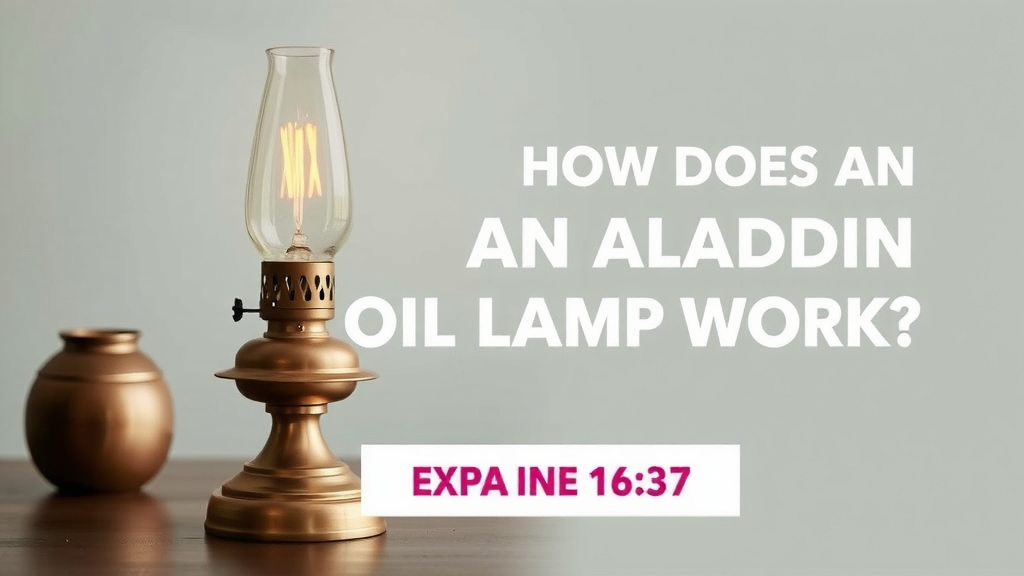
An Aladdin oil lamp works by using a wick to draw up kerosene (or another lamp oil) through capillary action, which then burns to create light. The wick acts like a sponge, soaking up the fuel from the reservoir below. A chimney or glass globe surrounds the flame, regulating airflow and shielding it from drafts, ensuring a steady, bright light. It’s a simple yet brilliant design that has illuminated homes for centuries.
This type of lamp is often called a “kerosene lamp” or “paraffin lamp.” The magic happens as the oil vaporizes when heated by the flame. This vapor then mixes with oxygen from the air. Combustion occurs, producing both heat and that familiar, warm light. Many experts say it’s a wonderful example of basic physics at play, turning liquid fuel into bright illumination.
- Aladdin lamps use a wick to draw up oil.
- Capillary action pulls the fuel to the flame.
- The burning oil vapor creates light and heat.
- A glass chimney controls airflow and steady flame.
Ready to understand the inner workings of this classic light source? Let’s walk through exactly how an Aladdin oil lamp lights up your life, step by step.
Understanding How an Aladdin Oil Lamp Works
You’re curious about the magic behind an Aladdin oil lamp. It’s a pretty neat piece of engineering that turns simple fuel into comforting light. Let’s break down exactly how it achieves this.
The Core Components: Fuel, Wick, and Flame
The Fuel Reservoir: Holding the Light Source
At the heart of every Aladdin lamp is its fuel reservoir. This is typically a glass or metal tank that holds the lamp oil. Most commonly, this oil is kerosene, also known as paraffin oil. It’s chosen for its ability to burn cleanly and produce a good amount of light.
You’ll want to make sure your reservoir is clean and free of any old residue. This helps ensure the best performance and cleanest burn. Think of it as giving the lamp a fresh start.
The Wick: The Fuel Elevator
Now, how does that oil get from the bottom of the reservoir all the way up to where the flame will be? That’s where the wick comes in. The wick is usually made of cotton or a similar absorbent material. It’s designed to be placed into the oil and have a portion extending upwards, ready to be lit.
This process relies on something called capillary action. You’ve probably seen it before. If you dip the edge of a paper towel into a spilled drink, the liquid climbs up the towel, right? The same principle is at work here. The small spaces within the wick material pull the oil upward, fighting gravity.
We found that the quality of the wick matters quite a bit. A good wick will absorb fuel consistently, providing a steady supply to the flame. A worn-out or poor-quality wick can lead to flickering or dim light, no matter how good the fuel is.
Ignition and Combustion: Where the Light Happens
Once the wick is saturated with oil, you light the tip. The initial flame ignites the oil vapors that have been drawn up. This is where the actual light is produced. The heat from the flame causes more oil to vaporize from the wick.
This vapor then mixes with oxygen from the air. Combustion occurs, creating that familiar, warm glow. It’s a continuous cycle: oil is drawn up, vaporizes, burns, and provides light and heat. Many experts describe this as a small, controlled fire happening right in your home.
It’s important to understand that the oil itself doesn’t burn directly. It’s the vaporized oil that combusts. This is why a properly trimmed and saturated wick is so essential for a good flame. You want enough vapor to produce a bright light, but not so much that it smokes excessively.
The Role of the Glass Chimney and Airflow
The Glass Globe: More Than Just Decoration
You’ll notice that Aladdin lamps have a distinctive glass chimney or globe. This isn’t just for looks; it’s a critical part of the lamp’s design. The chimney surrounds the flame and the top of the wick assembly.
Its primary job is to regulate airflow. By creating a draft, it pulls air (which contains oxygen) upwards towards the flame. This steady supply of oxygen is vital for efficient combustion. Without it, the flame would be weak and smoky, if it burned at all.
We discovered that the chimney’s shape is designed to create this upward draft. The heat from the flame causes the air inside the chimney to rise. As it rises, it pulls more air in from the openings at the base, feeding the flame.
Shielding the Flame: Steady Light in Any Condition
Beyond airflow, the glass chimney also shields the flame from drafts. Even a slight breeze can cause a bare flame to flicker or even blow it out. The chimney provides a protective barrier, ensuring a more stable and consistent light source. This was especially important in older homes where drafts were common.
This stability is what sets Aladdin lamps apart. While other simple wick lamps might be sensitive to air currents, the chimney system helps maintain a strong, steady flame. We found that this feature makes them much more practical for general lighting.
Adjusting the Flame: Getting the Perfect Light
The Wick Adjuster: Your Control Knob
You might be wondering how you control the brightness. Aladdin lamps have a built-in mechanism called a wick adjuster. This is usually a small knob or wheel located near the base of the burner assembly.
Turning this knob raises or lowers the wick within the burner. A higher wick means more oil-soaked material is exposed, leading to a larger flame and brighter light. Lowering the wick reduces the flame size and dims the light. It’s a simple mechanical adjustment that gives you control over the lamp’s output.
Getting the flame just right is key. You want it bright enough to be useful, but not so high that it causes excessive smoking or soot. Many users recommend finding a sweet spot for your lamp and oil type.
Factors Affecting Flame Quality
Several things can influence how well your lamp burns. The type of oil you use is a major factor. Some oils burn cleaner and brighter than others. Research suggests that using lamp oil specifically designed for kerosene lamps is best.
The condition of the wick also plays a huge role. If the wick is old, frayed, or has built-up carbon on it, it won’t absorb oil properly. This can lead to a dim, uneven flame. We found that trimming or replacing the wick regularly is an important part of maintenance.
Here’s a quick rundown of what impacts your lamp’s light:
- Fuel quality: Use clean, appropriate lamp oil.
- Wick condition: A good wick absorbs fuel well.
- Airflow: The chimney ensures oxygen reaches the flame.
- Wick height: Adjust the knob for the desired brightness.
- Cleanliness: A clean reservoir and burner prevent issues.
A Look at the Mechanics: Capillary Action in Action
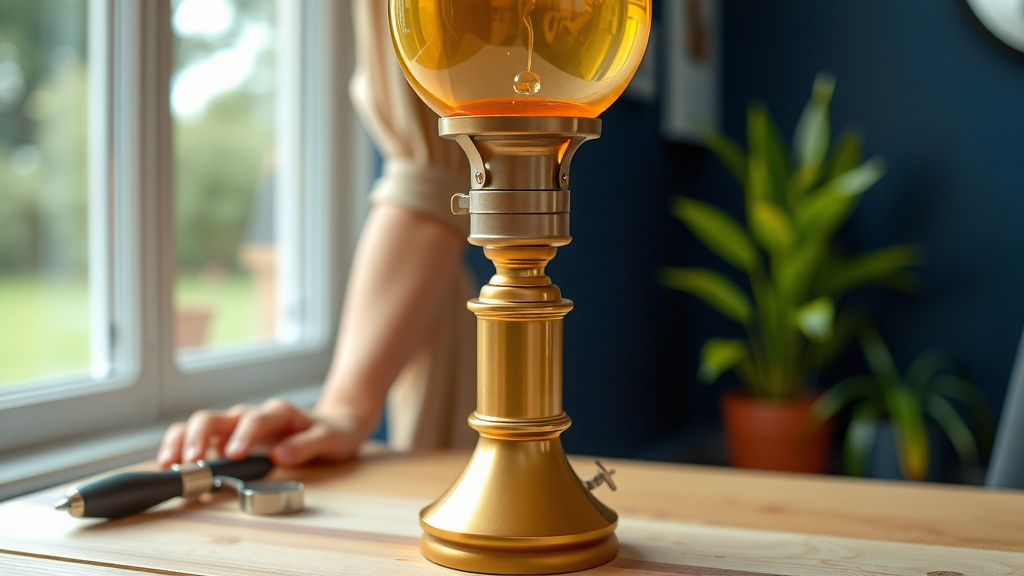
Let’s revisit capillary action for a moment. It’s a natural phenomenon that requires no electricity or complex machinery. Think of it like a microscopic plumbing system within the wick.
The forces of adhesion (attraction between the oil and the wick fibers) and cohesion (attraction between oil molecules) work together. They pull the oil upward through the narrow channels of the wick. The thinner the wick and the narrower the spaces, the higher the liquid can climb. Many science resources explain this as a fundamental principle of fluid dynamics.
This simple, reliable process is why oil lamps can function for hours on end. As long as there’s fuel and the wick is intact, the lamp can continue to draw fuel and produce light.
Maintenance Tips for Optimal Performance
To keep your Aladdin lamp working its best, a little regular care goes a long way. It’s not complicated, but it is important.
- Trim the Wick: If your wick develops a mushroomed top or becomes uneven, trim it carefully with scissors. This ensures a flat, even surface for burning.
- Clean the Reservoir: Periodically empty and clean the fuel reservoir to remove any sediment or residue.
- Inspect the Wick: If the wick becomes heavily carbonized or worn out, it’s time to replace it.
- Clean the Glass: Keep the chimney clean for maximum light output and a clear view of the flame.
Following these simple steps will help ensure your Aladdin lamp provides a warm, steady light for years to come.
Conclusion
You’ve now seen how your Aladdin oil lamp transforms simple kerosene into a comforting glow. It’s all thanks to capillary action drawing fuel up a wick, which then vaporizes and burns. The glass chimney ensures a steady flame by controlling airflow and protecting it from drafts. Understanding these components helps you appreciate its clever design and operate it effectively. To enjoy your lamp’s warm light for years, remember basic maintenance like keeping the wick trimmed and the reservoir clean. You’re all set to experience the magic of this classic illumination!
Frequently Asked Questions
What kind of oil is best for an Aladdin lamp?
For the best performance and cleanest burn, you should use lamp oil specifically designed for kerosene lamps, often called paraffin oil. Avoid using gasoline or other volatile fuels, as they can be dangerous and damage your lamp.
Why does my Aladdin lamp smoke so much?
Excessive smoking usually means the wick is too high or the wick is not trimmed properly, creating an uneven flame. It could also indicate that the chimney isn’t seated correctly, disrupting airflow. Adjusting the wick height and ensuring the chimney is properly in place can often resolve this.
How often should I replace the wick in my Aladdin lamp?
You should replace the wick when it becomes heavily carbonized, frayed, or can no longer be trimmed to provide an even burning surface. This might be every few months of regular use, depending on the oil you use and how often you light your lamp.
Can I use an Aladdin oil lamp outdoors?
Yes, Aladdin oil lamps are often used outdoors, especially on patios or for camping. Their stable flame is less susceptible to breezes thanks to the chimney. Just be sure to place it on a stable surface and away from flammable materials.
Does an Aladdin oil lamp produce a lot of heat?
Aladdin oil lamps do produce heat as a byproduct of combustion, but it’s generally not excessive. They can provide a pleasant warmth in a small area, making them suitable for use in a room, but they aren’t intended as primary heating devices.


![10 Best Affordable Light Therapy Lamp [2026]](https://bestdesklamp.com/wp-content/uploads/2026/09/10-best-affordable-light-therapy-lamp-2026-featured-768x432.jpg)