How Fairy Lamps Work Explained Simply
A fairy lamp works by using a small light bulb, often an LED, that gets its power from batteries or a low-voltage AC adapter. This setup allows them to mimic the warm, gentle glow of traditional candles without the fire hazard. You get the magical ambiance with modern safety.
These charming lights are designed to create a whimsical atmosphere, perfect for holiday decorations or adding a touch of enchantment to any space. Many fairy lamps are crafted from materials like glass or metal, housing the light source to diffuse it softly. They’re a popular choice for adding a cozy and inviting feel to your home decor.
- Fairy lamps use small LED bulbs.
- Power comes from batteries or a wall plug.
- They provide a safe, candle-like glow.
- Great for decorations and ambiance.
- Materials like glass and metal enhance the effect.
Let’s walk through exactly how these little wonders create their magic!
Understanding How Your Fairy Lamp Works
So, you’ve got a charming fairy lamp, and you’re wondering what makes its gentle glow happen. It’s actually quite simple, combining a few key components to create that magical, cozy atmosphere we all love. Think of it like a tiny, safe campfire for your tabletop!
The Heart of the Glow: The Light Source
At its core, a fairy lamp uses a small, efficient light bulb. In most modern fairy lamps, this is an LED, or Light Emitting Diode. LEDs are fantastic because they produce very little heat and use a fraction of the electricity that old-fashioned incandescent bulbs did. This makes them perfectly safe for decorative lamps where you want a soft glow without any fire risk.
You might also see older fairy lamps that use a tiny incandescent bulb. These are less common now due to energy efficiency and heat concerns. But the principle is the same: a filament inside the bulb heats up and emits light. The key difference is that LEDs are much cooler and last much longer. You’ll find that You might also see older fairy lamps that use a tiny incandescent bulb, but our guide to filament lamp vs LED explains the differences.LEDs are the standard for most fairy lamps you buy today.
Why LEDs Are So Popular
We found that LEDs have several advantages for fairy lamps. For starters, they are incredibly energy efficient. This means your batteries last much longer, or if it’s plugged in, it uses very little power. They also come in a wide range of colors and color temperatures, allowing manufacturers to create that specific warm, inviting light that makes fairy lamps so appealing. Plus, they are very durable and can withstand minor bumps better than fragile incandescent bulbs.
Powering the Magic: Batteries vs. AC Adapters
Every fairy lamp needs a power source. You’ll typically find two main types: battery-powered or plug-in. Each has its own set of benefits, and the choice often comes down to where you plan to use your lamp.
Battery-Powered Fairy Lamps
These are wonderfully versatile. You can place them anywhere without worrying about proximity to an electrical outlet. Think of your bedside table, a bookshelf, or even as part of a centerpiece on your dining table. They usually run on standard AA or AAA batteries, sometimes button cells for very small lamps.
The lifespan of the batteries will depend on the lamp’s brightness and how long you leave it on. Many battery-powered fairy lamps also come with a timer function. This is a great energy-saving feature! You can set it to turn on for a few hours each evening, and then it will automatically switch off, saving your batteries and providing that ambient glow when you want it most. We found that battery-powered options are ideal for temporary decorations or areas without easy access to power.
Plug-In Fairy Lamps
Fairy lamps that plug into a wall outlet typically use a low-voltage AC adapter. This means the electricity from your wall is converted to a much safer, lower level before it reaches the lamp itself. This is similar to how many small electronic devices are powered. These lamps offer a consistent light source without the need to worry about changing batteries. They are great for permanent decorative fixtures where you want reliable, all-night illumination.
Some plug-in fairy lamps even come with a remote control. This adds a layer of convenience, allowing you to turn the lamp on and off, adjust brightness, or even change colors without getting up. It’s a modern touch that enhances the magical experience. We found that plug-in versions offer uninterrupted ambiance for as long as you desire.
The Role of the Housing and Diffuser
The actual light bulb is usually housed within a decorative casing. This casing is an important part of the fairy lamp’s design and function. It’s not just about looks; it helps manage the light.
Materials and Design
Fairy lamps are crafted from a variety of materials. Glass is very popular, especially colored glass or frosted glass. When light passes through glass, it can be softened, colored, or scattered, creating beautiful effects. Metal, ceramic, or even intricately woven natural materials can also be used for the lamp’s body. The design of the housing is key to how the light is distributed.
Diffusing the Light
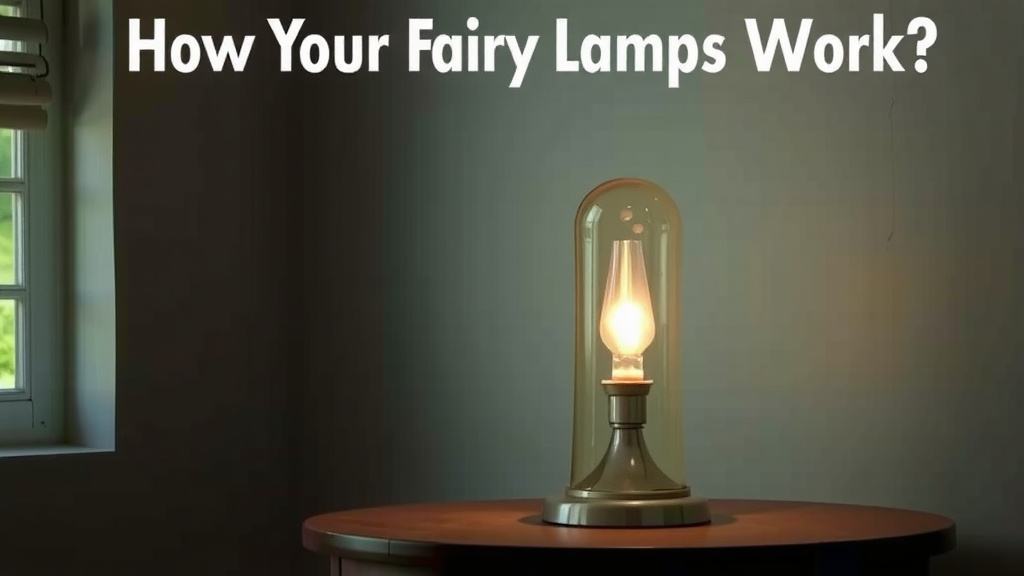
Many fairy lamps have a diffuser. This is a material, often frosted glass or a translucent plastic, placed between the light bulb and the outside of the lamp. Its purpose is to soften the direct glare of the bulb. Instead of a single bright spot, the diffuser spreads the light out evenly. This creates that gentle, inviting, and somewhat mysterious glow that’s so characteristic of fairy lamps. It’s what makes the light feel more magical and less like a standard household lamp.
Putting It All Together: The Simple Circuit
So, how do these parts connect? It’s a straightforward electrical circuit. When you provide power (either from batteries or the adapter), it flows through wires to the light bulb. A switch, whether it’s a physical button or a timer, controls when this flow happens. The bulb then lights up, and the housing and diffuser work together to spread that light beautifully into your room.
The entire setup is designed for simplicity and safety. Unlike traditional candles, there are no open flames, no wax drips, and no fire hazards. This allows you to enjoy the ambiance without worry. Many experts point out that the move towards LED technology has made decorative lighting much safer and more energy-efficient (U.S. Department of Energy).
Quick Checklist: What Makes Your Fairy Lamp Shine
- Small LED bulb for efficient, cool light.
- Battery pack or low-voltage AC adapter for power.
- An on/off switch or timer function.
- Decorative housing to protect components.
- A diffuser (like frosted glass) to soften the glow.
- Simple wiring connecting everything.
Conclusion
You now understand how your beautiful fairy lamp works! It’s a clever combination of a small LED light, powered by either batteries or an AC adapter, housed within a decorative casing. The diffuser plays a key role, softening the light to create that signature magical glow. This simple, safe technology lets you enjoy enchanting ambiance without any worries. Ready to add more sparkle to your space? Consider experimenting with different placements for your fairy lamp to discover new cozy nooks in your home.
Frequently Asked Questions
Can I leave my fairy lamp plugged in all the time?
Yes, most plug-in fairy lamps are designed for continuous use. They use low-voltage adapters, making them safe. If your lamp has a timer, using it can save a bit of energy, but it’s not usually necessary for safety.
How long do the batteries typically last in a battery-powered fairy lamp?
Battery life can vary greatly. It depends on the lamp’s brightness, the type of batteries you use, and how long you leave it on. Lamps with timer functions tend to last much longer between battery changes.
Are LED fairy lamps brighter than older incandescent ones?
LEDs are generally more energy-efficient than incandescent bulbs. While they can be manufactured to produce varying brightness levels, their main advantage for fairy lamps is their cool operation and long lifespan, not necessarily extreme brightness.
What should I do if my fairy lamp starts flickering?
A flickering light often means the batteries are low or the connection is loose. Try replacing the batteries with fresh ones. If it’s a plug-in lamp, ensure the adapter is securely plugged into both the lamp and the wall outlet.
Can I change the color of the light in my fairy lamp?
It depends on the lamp. Some fairy lamps have fixed-color LEDs. Others, especially newer models or those with remote controls, allow you to change colors or select different color modes. Check your lamp’s specifications.
![10 Best Bug Lamp [2026]](https://bestdesklamp.com/wp-content/uploads/2026/08/10-best-bug-lamp-2026-featured-768x432.jpg)
![10 Best Arc Floor Lamps For Living Room [2026]](https://bestdesklamp.com/wp-content/uploads/2026/09/10-best-arc-floor-lamps-for-living-room-2026-featured-768x432.jpg)