How a Desk Lamp Works: A Simple Explanation
A desk lamp works by passing electricity through a bulb, which then emits light. Most modern desk lamps use LEDs, which are highly energy-efficient and long-lasting. Older lamps might use incandescent bulbs that heat a filament until it glows.
The process starts when you flip the switch, completing an electrical circuit. This allows power to flow from your outlet to the bulb. Different types of bulbs have unique ways of producing light, but the end result is always illumination for your workspace. We found that understanding this basic principle helps appreciate the technology behind even the simplest lamp.
- Desk lamps use electricity to light up a bulb.
- LEDs are common, energy-saving light sources.
- Incandescent bulbs heat a wire to make light.
- A switch completes the circuit for power to flow.
Let’s walk through exactly how this happens, from the power cord to the glow you see on your desk.
Understanding How Your Desk Lamp Works
So, you flip the switch, and voilà! Light. But have you ever stopped to wonder about the magic happening behind the scenes? It’s really quite straightforward science. Your desk lamp is essentially a pathway for electricity to do its job: create light. We found that most modern lamps achieve this using LED bulbs, which are tiny powerhouses of illumination.
The Journey of Electricity
It all begins with that power cord plugged into your wall outlet. This cord is like a highway, bringing electrical energy from your home’s power grid directly to your lamp. Inside the lamp, a series of wires connect the cord to the switch and then to the light bulb itself.
When you flick the switch, you’re actually closing an electrical circuit. Think of it like completing a circle. This allows electricity to flow freely, much like water flowing through a pipe. Without that closed circuit, the electricity has nowhere to go, and no light is produced.
Inside the Light Bulb: Different Technologies
The way light is produced depends heavily on the type of bulb you’re using. While the intro mentioned LEDs and incandescent bulbs, let’s dive a little deeper into how each works.
Incandescent Bulbs: The Old Faithfuls
These are the classic light bulbs you might remember from your grandparents’ house. They work on a simple principle: heat. Inside an incandescent bulb is a thin wire called a filament, usually made of tungsten. When electricity flows through this filament, it heats up incredibly hot, so hot that it starts to glow. It’s similar to how a toaster wire glows red when it gets hot.
The problem with incandescent bulbs is that they are very inefficient. Most of the energy they use is lost as heat, not light. We found research indicating they convert only about 10% of energy into visible light, with the rest escaping as heat (U.S. Department of Energy). That’s why they get so hot to the touch and why they burn out relatively quickly.
LED Bulbs: The Modern Marvels
LED stands for Light Emitting Diode. These bulbs are a completely different technology and are now the standard for most desk lamps. Instead of a filament, LEDs use semiconductors. When electricity passes through these semiconductor materials, they emit light. This process is called electroluminescence.
LEDs are incredibly efficient. They produce much more light for the same amount of energy compared to incandescent bulbs. We found that LEDs can be up to 80% more efficient (Energy.gov). This means you save money on your electricity bill, and the bulbs last much, much longer. Many experts say LED bulbs can last 25 times longer than traditional incandescent bulbs (Energy.gov).
Compact Fluorescent Lamps (CFLs): The Middle Ground
Before LEDs took over, CFLs were the energy-saving alternative. These bulbs look like small tubes bent into a spiral. They work by passing an electric current through a gas inside the tube, which then excites a coating on the inside of the tube, causing it to glow. While more efficient than incandescent bulbs, they contain small amounts of mercury, which requires careful disposal.
| Bulb Type | Typical Lifespan (hours) | Energy Efficiency (relative to incandescent) |
|---|---|---|
| Incandescent | 1,000 | 1x |
| CFL | 8,000 – 10,000 | Up to 4x |
| LED | 25,000+ | Up to 8x |
The Role of the Lamp’s Structure
Beyond the bulb, the lamp itself plays a vital role. The base of the lamp often houses the transformer or driver, especially for LED lamps. This component is crucial for regulating the electricity supplied to the bulb. Power from your outlet is usually too high for sensitive LED components, so the driver steps it down to the correct voltage.
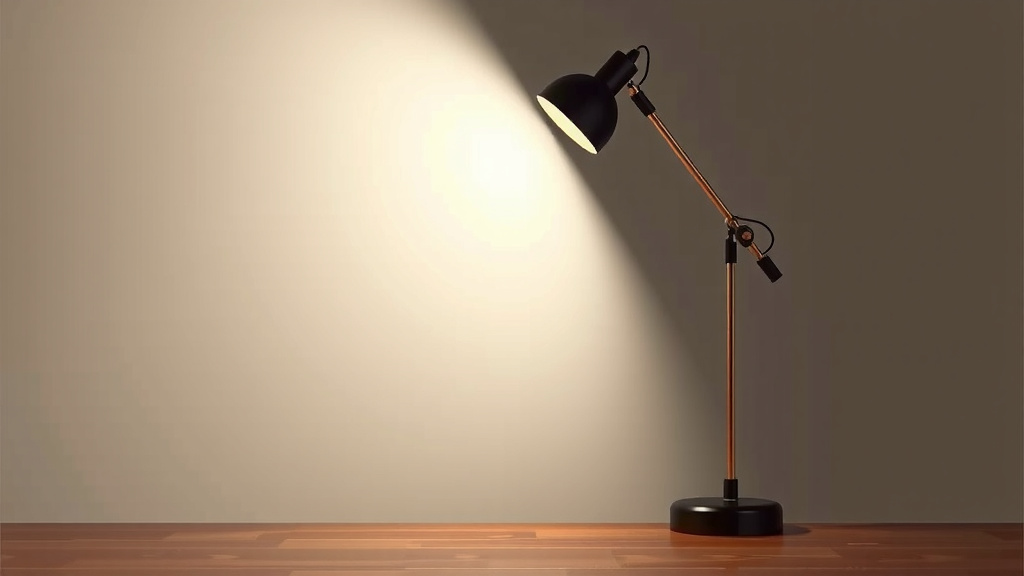
The arm and head of the lamp are designed for adjustability. You can move them to direct light precisely where you need it. This feature is key for task lighting, reducing glare, and preventing eye strain. Many lamps also have a diffuser or lampshade. This softens the light, making it more pleasant and less harsh on your eyes.
Checking Your Lamp’s Functionality
If your lamp isn’t working, there are a few common things to check:
- Is it plugged in securely?
- Is the bulb screwed in tightly?
- Have you tried a different, known-working bulb?
- Is the switch in the “on” position?
- Is the power cord damaged?
Often, the solution is as simple as a loose connection or a burnt-out bulb. Many experts suggest checking the bulb first, as it’s the most common point of failure. If that doesn’t solve it, you might look at the switch or internal wiring, but for most users, a new bulb is the quickest fix.

Conclusion
You’ve learned that your desk lamp is a straightforward yet clever device. It transforms electricity into the light you need for your tasks. We’ve seen how the simple act of flipping a switch completes a circuit, allowing power to flow. Whether it’s an older incandescent bulb heating a filament or a modern, efficient LED emitting light from semiconductors, the goal is illumination.
Understanding these principles helps you appreciate your lamp’s design and functionality. If your lamp is acting up, remember the easy checks like tightening the bulb or ensuring it’s plugged in. Now you can better care for your lighting setup and choose replacements wisely.
Frequently Asked Questions
What’s the main difference between an LED and an incandescent desk lamp?
The main difference lies in how they produce light. Incandescent bulbs use a wire filament that heats up until it glows, wasting a lot of energy as heat. LEDs use semiconductors that emit light directly when electricity passes through them, making them far more energy-efficient and longer-lasting.
Why do LED desk lamps often have a power adapter or driver?
LEDs require a specific, stable voltage to operate correctly and efficiently. The power adapter, often called a driver, converts the higher voltage from your wall outlet to the lower, regulated voltage that the LED bulb needs. We found this protects the LED from damage and ensures consistent light output.
Can I replace an incandescent bulb in my old desk lamp with an LED bulb?
In most cases, yes, you can. You’ll need to ensure the LED bulb has the same base type (like E26 or E12) and a similar wattage equivalent for the brightness you desire. However, always check your lamp’s manual or manufacturer’s recommendations if you’re unsure, as some older lamps might have specific requirements.
How can I make my desk lamp’s light brighter if it seems too dim?
The easiest way to increase brightness is by using a higher-lumen LED bulb, ensuring it’s compatible with your lamp’s socket and wattage limit. We also suggest checking if the lampshade is diffusing the light too much; sometimes, a different shade or removing it (if safe and appropriate) can help. Ensure the bulb is screwed in tightly.
What should I do if my desk lamp flickers?
Flickering is often a sign of a loose connection. First, try tightening the light bulb in its socket. If that doesn’t help, check that the lamp is securely plugged into the wall outlet. If the bulb itself is old or faulty, replacing it with a new, known-working bulb is the next best step; we found this resolves flickering most of the time.
![10 Best Clip On Bed Lamp [2026]](https://bestdesklamp.com/wp-content/uploads/2026/08/10-best-clip-on-bed-lamp-2026-featured-768x432.jpg)