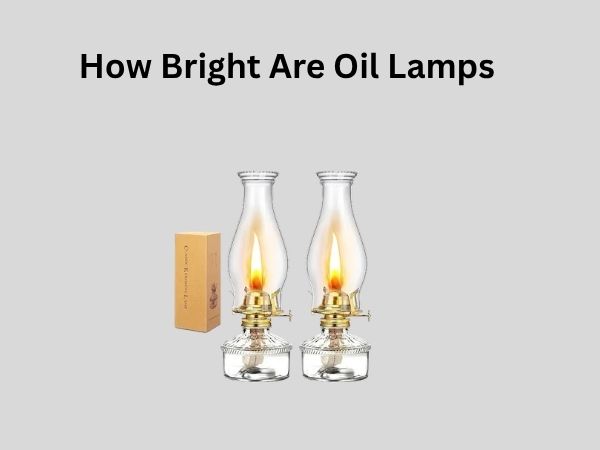
Vintage Illumination: How Bright Are Oil Lamps in Lumens?
Ever wondered why your grandmother’s oil lamp managed to light up an entire room without electricity? There’s something genuinely captivating about the soft, flickering glow of an oil lamp, isn’t there? But here’s the thing—understanding just how bright these vintage light sources actually are can be surprisingly complex. Modern lighting has spoiled us with specifications in watts and lumens, yet oil lamps operate in a completely different universe of illumination.
In this comprehensive guide, I’m going to walk you through everything you need to know about oil lamp brightness. We’ll explore the actual lumen output, compare it to modern lighting standards, and help you understand whether an oil lamp could realistically serve your lighting needs today.
Outline: What We’ll Cover
- Understanding oil lamp brightness measurements
- Typical lumen output ranges for oil lamps
- Factors that influence oil lamp brightness
- Comparison with modern lighting solutions
- Different types of oil lamps and their brightness levels
- Historical context of oil lamp illumination
- Practical applications for oil lamps today
- Safety considerations and brightness concerns
- Conclusion and final thoughts
Understanding Oil Lamp Brightness: The Basics
Let me be honest—when I first started researching oil lamps, I realized that brightness isn’t exactly straightforward when we’re talking about these vintage devices. Unlike a light bulb that comes with a wattage clearly printed on the packaging, oil lamps require us to think differently about illumination.
The brightness of an oil lamp is measured in lumens, which represents the total amount of visible light emitted in all directions. A single lumen is technically the amount of light that falls on a surface one meter away from a candle. Doesn’t that give you a sense of how we got here? Oil lamps are essentially souped-up candles, after all.
What Exactly Is a Lumen?
Think of a lumen as your personal unit of “lightness.” When lighting engineers talk about lumens, they’re measuring the actual perceived brightness that reaches your eyes and the surrounding environment. This is different from watts, which measures energy consumption. An oil lamp might use far less energy than an electric bulb but still produce meaningful light output.
Typical Lumen Output for Oil Lamps
Here’s where things get interesting. Most standard oil lamps produce between 40 and 130 lumens, depending on various factors we’ll discuss shortly. To put that in perspective, that’s roughly equivalent to a traditional 25 to 40-watt incandescent light bulb from your grandmother’s era—you know, those bulbs that actually looked warm and inviting rather than the harsh white light of modern LEDs.
But wait—before you dismiss oil lamps as too dim for practical use, consider this: our ancestors managed entire households, farms, and businesses using nothing but oil lamps, candles, and firelight. They obviously knew something about distributing that light effectively.
Standard Oil Lamp Brightness Ranges
- Small decorative oil lamps: 10-30 lumens
- Medium household oil lamps: 40-80 lumens
- Large traditional oil lamps: 80-130 lumens
- Premium or specialized oil lamps: 130-200+ lumens
The variation depends heavily on the lamp design, wick quality, oil type, and even how well you’ve maintained the chimney and reflector surfaces.
Factors That Influence Oil Lamp Brightness
Not all oil lamps are created equal, and neither is their brightness output. I’ve learned that several variables dramatically impact how much light your lamp actually produces.
The Wick: Your First Control Point
The wick is absolutely critical. A thick, well-constructed wick burns more intensely and produces more light than a thin, poor-quality one. Think of it like the difference between a candle’s thin little string and a thick rope—the rope will burn brighter and hotter. Most oil lamps come with adjustable wicks, so you can actually control your brightness level manually. Isn’t that brilliant? You get dimmer and brighter settings without needing a light switch.
Oil Quality and Type
The type of oil you burn matters tremendously. Paraffin oil (kerosene) produces more consistent and brighter light than plant-based oils. However, pure paraffin can be smoky if the wick isn’t perfectly sized. Higher-quality lamp oils often have additives that reduce smoking and improve brightness. Using cheap, low-quality oil is like trying to run a sports car on low-grade fuel—you’ll get subpar performance.
Lamp Design and Reflectors
Here’s something many people overlook: the lamp’s design significantly impacts perceived brightness. A lamp with a well-polished reflector behind the flame can project much more usable light than a simple lamp with no reflector. The reflector bounces light forward, concentrating it in a useful direction rather than spreading it equally in all directions.
Chimney Condition
A clean, clear glass chimney maintains optimal brightness. A dirty, soot-covered chimney? That’s like looking through a pair of sunglasses while trying to read—it massively reduces the light reaching your eyes. Keeping your chimney clean isn’t just about aesthetics; it’s essential for maximum brightness.
Room Color and Reflectivity
Paint color matters more than you’d think. Light-colored walls and ceilings reflect light back into the room, making an oil lamp’s output seem brighter. Dark walls absorb light, making the same lamp seem dimmer. It’s the same lamp, but the surrounding environment completely changes the perceived brightness.
Comparing Oil Lamps to Modern Lighting
Let me put oil lamp brightness in context you can actually relate to in today’s world.
Oil Lamps Versus Incandescent Bulbs
A typical 80-lumen oil lamp is roughly equivalent to a 25-watt incandescent bulb. Remember those? They cast that warm, golden light that made everyone’s skin tone look better. They were also incredibly inefficient at converting electricity to light, which is partly why we moved away from them.
Oil Lamps Versus LED Bulbs
Modern LED bulbs are far more efficient. A 5-watt LED produces roughly 400-500 lumens—that’s four to five times brighter than a typical oil lamp while using a tiny fraction of the energy. When we switched to LEDs, we didn’t just save money on electricity; we fundamentally changed how bright our homes could be.
Oil Lamps Versus Candles
Here’s where oil lamps really shine (pun intended). A standard candle produces roughly 12-15 lumens. Most oil lamps produce three to ten times more light than a single candle. So if you wanted to read by candlelight, you’d need six to ten candles. One oil lamp does the job of nearly a dozen candles. That’s the real genius of the oil lamp design.
Different Types of Oil Lamps and Their Brightness
Not all oil lamps are created equal. Let me break down the different categories and what brightness you can typically expect from each.
Tin Oil Lamps
These basic, economical lamps were common in working environments like barns and workshops. They’re simple, sturdy, and functional—not fancy. You’re typically looking at 30-50 lumens from a basic tin lamp. They’re rough around the edges but dependable.
Hurricane Lamps
Hurricane lamps feature a metal frame protecting a glass chimney and have become quite popular among outdoor enthusiasts and emergency preparedness folks. These robust lamps produce 50-100 lumens typically. The protective design makes them ideal for windy environments, which is where the name originates.
Brass and Decorative Lamps
If you’re looking at attractive lamps made from brass or featuring decorative elements, you’re often sacrificing some brightness for aesthetics. These typically produce 40-80 lumens, though a beautiful lamp might feel brighter than the numbers suggest simply because of how it makes you feel looking at it.
Aladdin-Style Lamps
Aladdin lamps represent the premium tier of oil lamp technology. These lamps use an incandescent mantle (similar to camping lanterns) instead of a simple open flame. The result? A stunning 200-500 lumens, making them potentially bright enough for actual reading and detail work. These are the luxury vehicles of the oil lamp world.
Boat and Maritime Lamps
Designed for visibility across water, maritime oil lamps are engineered for maximum brightness and clarity. Many naval lamps produce 100-150 lumens, with the design optimized for projection and visibility across distance.
The Historical Context of Oil Lamp Brightness
Understanding how bright oil lamps were helps us appreciate how people actually lived before electricity. When you think about it, our ancestors weren’t sitting in darkness. They were living with perhaps 50-100 lumens of light in their main living spaces—which, admittedly, is far dimmer than we’re accustomed to today.
But here’s the thing: people adapted. They structured their days around daylight. Work requiring detailed vision happened near windows during the day. Evening activities were often simpler and less detailed. Social gatherings happened in the most brightly lit room, often around the best lamp or fireplace. Brightness wasn’t unlimited, so it was precious.
How This Shaped Daily Life
The limitations of oil lamp brightness actually structured society. Bedtimes happened earlier. Reading was precious and done carefully. Fancy needlework happened during daylight. Large gatherings happened in rooms with multiple lamps. The scarcity of light actually created social patterns.
Practical Applications for Oil Lamps Today
Are oil lamps useful today beyond nostalgia and decoration? Absolutely. Let me explain why.
Emergency Preparedness
When the power goes out, an oil lamp becomes invaluable. They require no electricity, no batteries to charge, and they’ll last as long as you have oil. A 80-lumen oil lamp isn’t bright enough to replace your normal lighting, but it’s absolutely sufficient for emergency lighting, and it beats the heck out of sitting in darkness.
Outdoor Adventures and Camping
If you’re into camping, hiking, or outdoor activities, oil lamps offer advantages over electric lights. They’re durable, they work in cold weather, and they create a pleasant atmosphere around a campsite. The 80-130 lumens is sufficient for campsite activities, and you don’t worry about batteries dying.
Atmospheric Ambiance
Sometimes brightness isn’t the point. The warm, flickering glow of an oil lamp creates an ambiance that electric lights simply can’t replicate. Restaurants and upscale venues often use them for this exact reason. You’re not buying the lamp for pure functionality; you’re buying the experience.
Off-Grid Living
If you’re living off-grid or in a remote location, oil lamps represent a reliable backup lighting system. They don’t depend on electricity generation or battery storage, making them a stable component of an off-grid lighting strategy.
Hobby Farming and Rural Applications
Agricultural and rural applications still find value in oil lamps. Barns, sheds, and work areas sometimes benefit from reliable, fuel-based lighting that doesn’t depend on electrical infrastructure.
Safety Considerations Related to Brightness
Here’s something important to discuss: brighter isn’t always better when we’re talking about oil lamps, and safety matters.
Brightness and Heat Generation
A brighter oil lamp burns hotter. The brighter the flame, the more heat it generates. This isn’t just about comfort; it’s about safety. An Aladdin lamp burning at 400 lumens gets significantly hotter than a basic 50-lumen lamp. You need to be more cautious about placement, ventilation, and what materials are nearby.
Ventilation Concerns
Oil lamps consume oxygen and produce carbon dioxide and some carbon monoxide. In an emergency, you might think to seal up a house tight and use oil lamps for heating and lighting. Don’t do that. You need adequate ventilation. A brighter lamp means more combustion, meaning greater ventilation requirements.
Proper Brightness Selection
Choose an oil lamp appropriate for your specific application. Using an Aladdin lamp in a tiny bedroom is overkill and potentially unsafe. Using a 20-lumen decorative lamp to try to light a workspace is frustrating and potentially dangerous (you might lean in too close to see). Match the lamp’s brightness to the actual task and room size.
Maintaining Your Oil Lamp for Optimal Brightness
Regular Cleaning Routine
If you want your oil lamp to perform at its brightest, establish a regular maintenance routine. Clean the chimney weekly if you’re using the lamp regularly. Wipe down the reflector and exterior glass. Trim the wick straight across to remove any mushrooming carbon buildup. These simple steps can increase brightness output by 20-30 percent.
Oil Quality Management
Change your oil regularly and use quality lamp oil. Dirty oil produces smoke, which coats the chimney and reduces brightness. Fresh oil burns cleaner and brighter. It’s a small cost compared to the benefit.
The Brightness Question: Does It Really Matter?
Here’s my honest take: if you’re asking “how bright are oil lamps?” you probably already understand that they’re not as bright as modern electric lighting. And that’s okay. Oil lamps serve different purposes today. They’re not replacements for your home’s main lighting; they’re supplements, backups, or aesthetic choices.
What matters is whether an oil lamp’s brightness is sufficient for your specific purpose. For emergency lighting, camping, or ambiance? Absolutely. For replacing your home’s general lighting? Not really.
Conclusion
Oil lamps typically produce between 40 and 130 lumens, with premium options like Aladdin lamps reaching 200-500 lumens. To put that in perspective, that’s roughly equivalent to 25-40 watt incandescent bulbs for standard lamps, or even brighter for specialty models. While oil lamps don’t match modern LED brightness, they offer unique advantages: no electricity requirement, reliability, atmospheric appeal, and genuine usefulness in emergency situations.
The brightness of an oil lamp depends on multiple factors including wick quality, oil type, lamp design, chimney condition, and room reflectivity. Understanding these variables helps you maximize brightness and choose the right lamp for your needs. Whether you’re interested in oil lamps for emergency preparedness, outdoor activities, or simply for the nostalgic glow they provide, knowing their actual brightness output helps set realistic expectations.
Oil lamps represent a different era of lighting, one where brightness was scarce and precious. They still have a place in our modern world, not as primary light sources necessarily, but as reliable, beautiful, and functional supplements to our contemporary lives. The next time you light an oil lamp, you can appreciate that you’re holding about 80 lumens of warm, flickering history in your hands.

![10 Best Brand For Himalayan Salt Lamp [2026]](https://bestdesklamp.com/wp-content/uploads/2026/08/10-best-brand-for-himalayan-salt-lamp-2026-featured-768x432.jpg)
![10 Best Buy Sun Lamp [2026]](https://bestdesklamp.com/wp-content/uploads/2026/08/10-best-buy-sun-lamp-2026-featured-768x432.jpg)