How Big Should Lamp Be on Nightstand: The Complete Guide to Perfect Proportions
Have you ever wondered why some nightstands look perfectly balanced while others feel cluttered and awkward? The secret often comes down to one thing: lamp size. It’s surprising how much this single decision can transform your bedroom’s entire aesthetic and functionality. Let me walk you through everything you need to know about choosing the right lamp dimensions for your nightstand.
Why Nightstand Lamp Size Actually Matters More Than You Think
Think of your nightstand lamp like the punctuation mark at the end of a sentence—it might seem small, but it carries tremendous weight in the overall impression. The right-sized lamp creates visual harmony, provides proper lighting, and adds character to your personal space. Getting it wrong, though, can make your entire bedroom feel off-balance.
When a lamp is too large, it dominates the nightstand and can even cast awkward shadows across your bed. When it’s too small, you’re left fumbling in the dark and wondering why you can’t read your book comfortably. The proportions matter because they affect both form and function simultaneously.
Understanding Nightstand Dimensions as Your Starting Point
Before we talk about lamp size, we need to establish what we’re working with. Your nightstand is the foundation for everything else, so let’s get clear on its dimensions.
Standard Nightstand Sizes
Most nightstands fall into one of three categories. Standard nightstands typically measure between 24 to 28 inches wide and 16 to 20 inches deep. Some people prefer larger nightstands that stretch to 36 inches wide, while others opt for compact 18-inch versions in tight bedrooms. The height usually ranges from 24 to 28 inches, which pairs nicely with most bed frames.
How Your Bedroom Size Influences Nightstand Choice
A spacious master bedroom can handle larger, more substantial nightstands with impressive lamps. Conversely, a cozy guest room or smaller bedroom requires more delicate proportioning. The golden rule is that your nightstand should occupy roughly 30 to 40 percent of the space at your bedside without overwhelming the area.
The Ideal Lamp Height for Your Nightstand
Now we’re getting to the heart of the matter. Lamp height is probably the most critical measurement you’ll consider.
The Perfect Height Range
For most nightstands, your lamp should stand between 24 to 34 inches tall from the base to the top of the shade. This range assumes your nightstand is roughly 26 inches high, which is pretty standard. When you’re lying in bed, the top of the shade should be at or slightly above your eye level when your head rests on your pillow.
Why does this matter? If the lamp is too short, light gets blocked by the shade when you’re in a reclined position, defeating its purpose. If it’s too tall, you’ll feel like you’re staring directly into a light source, which causes eye strain and disrupts your ability to relax before sleep.
Calculating Height Based on Your Bed Position
Here’s a practical approach: sit on your bed as you normally would at bedtime. Have someone position a ruler or lamp next to your nightstand. The light source should fall right around your eye level, maybe slightly above. This ensures that when you’re reclining, you have adequate illumination without glare.
Lamp Width and Base Diameter Considerations
Width is where many people make mistakes. A lamp’s base footprint should be proportional to your nightstand surface area.
Base Size Proportions
A good rule of thumb: your lamp base should occupy no more than one-third of your nightstand’s surface width. If your nightstand is 28 inches wide, your lamp base shouldn’t exceed roughly 10 inches in diameter. This leaves ample space for your phone, alarm clock, books, water glass, and other bedside essentials.
Wide Base Versus Narrow Base Lamps
Wider-based lamps look more stable and grounded, making them ideal for larger nightstands in spacious bedrooms. They also provide better stability, especially important if you have children or pets who might bump into things. Narrow-based lamps work beautifully in smaller spaces and create an airy, sophisticated feeling. However, they can feel precarious if placed on wobbly surfaces or in high-traffic areas.
The Shade Size and Its Impact on Overall Proportions
Many people overlook the shade when calculating lamp size. This is a mistake because the shade dramatically affects how balanced your lamp looks on the nightstand.
Shade Diameter Guidelines
Your lamp shade should ideally be about two-thirds the height of your lamp base. If you have a lamp base that’s 16 inches tall, aim for a shade that’s roughly 11 inches in diameter at its widest point. This creates a visually pleasing proportion that looks intentional rather than accidental.
Shade Shape Considerations
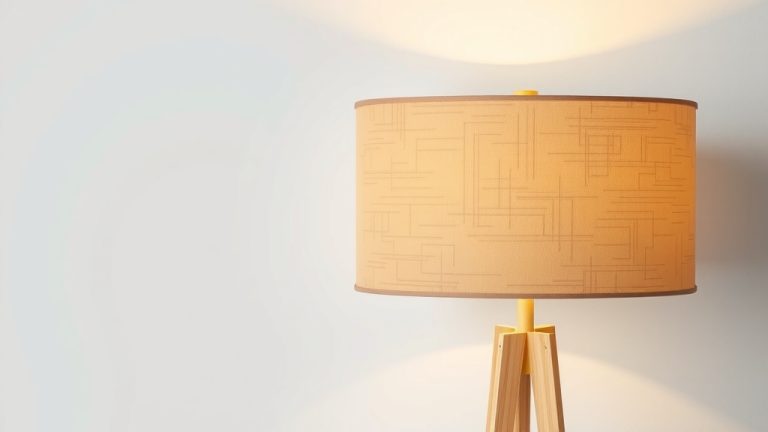
Drum shades—those cylindrical styles—work wonderfully on nightstands because they don’t extend far from the lamp body, saving valuable surface space. Bell-shaped shades offer a classic aesthetic and work well with traditional décor. Empire shades are wider at the base and narrower at the top, making them suitable for larger lamps. Choose shapes that complement both your nightstand and bedroom style.
Matching Lamp Style to Nightstand Furniture
Proportion isn’t just about measurements; it’s also about visual weight and style compatibility.
Visual Balance and Design Harmony
A delicate glass lamp with a skinny metal base might look fantastic on a sleek, modern nightstand, but it could feel completely out of place next to a chunky wooden bedroom set. Conversely, a substantial brass lamp with a ceramic base feels at home beside traditional furniture but might clash with minimalist décor.
Material Matters
Consider the materials used in your nightstand and bedroom furniture. Do you have wood nightstands? A wooden or brass lamp complements that beautifully. Are you working with modern metal furniture? A contemporary glass or metal lamp maintains that aesthetic. When materials match or harmonize, your lamp looks like it belongs there rather than appearing as an afterthought.
Common Mistakes People Make When Sizing Nightstand Lamps
Let me share what I see going wrong time and again in bedrooms across different homes.
The “Too Tall” Mistake
This happens when people assume bigger is better. They purchase a lamp that looks stunning in the showroom, bring it home, and suddenly it towers over their nightstand like a lighthouse. The result? A cramped, uncomfortable bedside experience where you can’t position your head comfortably without the light hitting you directly in the eyes.
The “Too Small” Problem
On the flip side, people sometimes choose lamps that are too compact. They prioritize saving space over functionality and end up with inadequate lighting. You shouldn’t have to crane your neck or adjust your reading position to benefit from your bedside lamp.
Ignoring the Shade-to-Base Ratio
I’ve seen many setups where the shade is disproportionately large relative to the base, making the lamp look top-heavy and unstable. Conversely, a tiny shade on a large base looks unbalanced and odd. These visual missteps undermine even the most expensive fixtures.
Forgetting About Practical Surface Space
Some people choose lamps so wide that there’s barely room for a water glass on the nightstand. While the lamp might be beautiful, it’s defeated its purpose if it prevents you from using your nightstand functionally.
Specific Recommendations by Nightstand Size
Let me give you concrete guidance based on different nightstand dimensions.
For Small Nightstands (18-20 inches wide)
Compact bedrooms or studio apartments often feature smaller nightstands. For these spaces, you’ll want a lamp that stands 24 to 28 inches tall with a base diameter of no more than 8 inches. A drum shade or small empire shade works beautifully here, keeping proportions light and airy.
For Standard Nightstands (24-28 inches wide)
This is your typical bedroom setup. Here, lamps between 26 and 32 inches tall strike the perfect balance. A base diameter of 8 to 10 inches maintains good proportions without consuming your entire surface. You have flexibility in shade styles—drum, bell, or empire all work equally well.
For Large Nightstands (30-36 inches wide)
Spacious master bedrooms can accommodate more substantial lamps. Look for heights between 30 and 34 inches with bases of 10 to 12 inches in diameter. These larger lamps actually look diminished on oversized nightstands, so don’t be afraid to go bigger than you might initially think.
For Floating Nightstands
Floating shelves mounted on walls present unique challenges. The lamp needs to look balanced even though there’s nothing anchoring it visually. Slightly smaller proportions often work better here—lamps around 24 to 28 inches tall with compact bases prevent the setup from looking precarious.
Lighting Functionality and Proper Proportions
Size and function are intertwined in lamp selection. A lamp might be perfectly proportioned visually, but if it doesn’t provide adequate light, it fails its primary purpose.
How Shade Size Affects Light Distribution
Larger shades diffuse light more evenly but also require higher wattage bulbs to provide sufficient illumination. Smaller shades concentrate light more narrowly, which can create pools of brightness and dark areas. For bedside reading, you want even light distribution across your pillow and book without harsh shadows.
Bulb Placement Within the Shade
The position of the bulb within your shade matters tremendously. Centered bulbs with proper clearance from the shade fabric create optimal light distribution. This is another reason why proportionate shades matter—they give bulbs adequate space to function properly.
Testing Your Lamp Before Committing to Purchase
Buying a lamp online without seeing it is risky. Here’s how to test proportions before you buy.
Showroom Testing Strategy
If you’re shopping in person, bring measurements of your nightstand and bedroom. Set the lamp up on a similar surface if available, and position yourself as you would in bed. Does it feel right? Can you read comfortably? Is the lamp stable? These real-world tests reveal what specifications alone cannot.
Online Shopping Safeguards
When buying online, scrutinize product photos from multiple angles. Read customer reviews specifically mentioning size and proportion. Many retailers offer free returns, which gives you an out if the lamp doesn’t work. Don’t hesitate to use that safety net—there’s no shame in returning something that doesn’t fit your space.
Adjusting Lamp Height with Nightstand Risers
Sometimes you fall in love with a lamp that’s just slightly too short or too tall. Before abandoning it, consider solutions.
Elevating Your Lamp
Nightstand risers—simple platforms that sit under your lamp base—can add several inches of height. They work especially well in minimalist or modern spaces where they don’t clash with your aesthetic. This approach lets you keep a lamp you love while achieving perfect proportions.
When Adjustment Isn’t Enough
If your lamp is significantly mismatched for your space, adjustment won’t fully solve the problem. Sometimes it’s better to acknowledge that a lamp simply isn’t right and move on to finding one that truly fits.
Conclusion
Choosing the right nightstand lamp size involves balancing practical measurements with visual aesthetics and functional lighting needs. Your lamp should typically stand between 24 and 34 inches tall with a base diameter no larger than one-third of your nightstand’s width. The shade should be proportional to the base, and the overall visual weight should complement your bedroom furniture and style.
Remember that there’s no single “perfect” size—it depends on your nightstand dimensions, bedroom layout, personal style, and how you use your bedside space. What matters most is that your lamp feels balanced, provides adequate illumination without glare, and leaves room for the other items you need on your nightstand. Take time to test different options, don’t rush the decision, and trust your instincts about what feels right in your space.
Frequently Asked Questions
Can I use a table lamp that’s designed for a desk on my nightstand?
Not always. Desk lamps are often taller and brighter than ideal for nightstands, which can create uncomfortable glare when you’re lying in bed. However, if a desk lamp is the right height and provides soft, diffused light with appropriate brightness, it could work. The key is testing it in your actual bedside position to ensure it’s comfortable for nighttime use.
What if my nightstand is unusually tall or short?
Adjust your lamp height expectations accordingly. A nightstand that’s 30 inches tall would pair well with a slightly taller lamp, perhaps 32 to 36 inches. Conversely, a lower nightstand at 22 inches would benefit from a lamp around 22 to 26 inches tall. Always aim for that eye-level positioning when you’re in bed, regardless of standard measurements.
Should I match my nightstand lamp to my other bedroom lamps?
Matching creates cohesion and makes your bedroom feel intentionally designed rather than randomly assembled. However, they don’t need to be identical. Coordinating styles, materials, or finishes while varying sizes slightly can look sophisticated and planned. Just avoid having one lamp that feels completely out of place compared to the others.
How does a lamp’s weight factor into size considerations?
A heavier, more substantial lamp actually provides visual balance on larger nightstands, even if it’s the same dimensions as a lighter lamp. Conversely, a lightweight lamp on a large nightstand can look diminished. When possible, match the visual weight of your lamp to the scale of your nightstand and bedroom furniture.
What’s the best way to measure if a lamp will work before buying?
Measure your nightstand’s width, depth, and height. Then find the lamp’s total height (base to top of shade) and base diameter. Calculate whether the base occupies no more than one-third of your nightstand’s width. Finally, visualize the lamp in your space or test it in a showroom in your actual bedtime position. This combination of measurements and real-world testing gives you the best chance of success.
“`