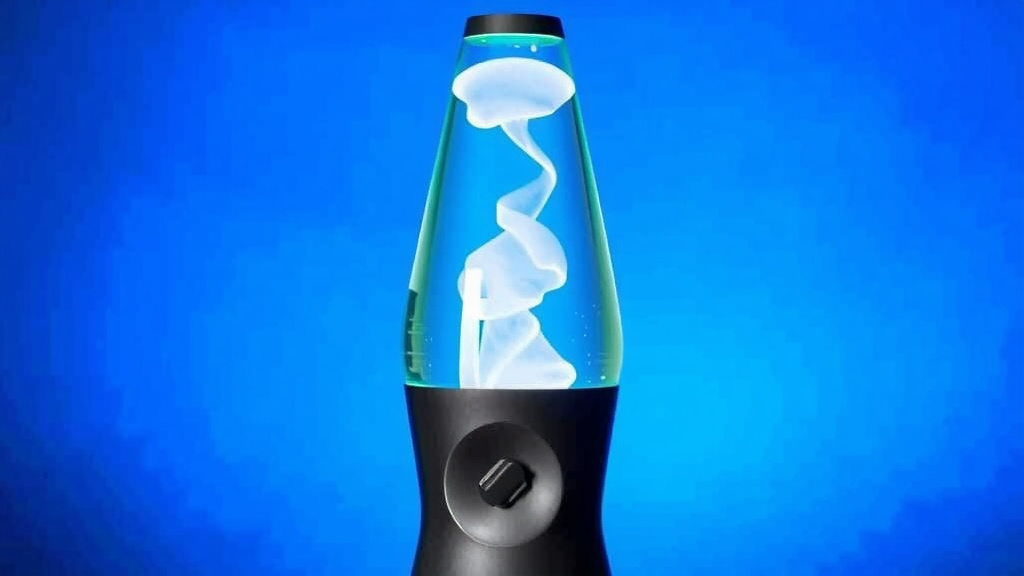
Fix a Cloudy Lava Lamp: Simple Steps for Crystal Clear Flow
Your lava lamp has turned cloudy, and you want to know how to fix it. Don’t worry, it’s often a fixable problem. Most cloudy lava lamps can be revived by simply letting them cool down completely and then running them for a few hours. Sometimes, this initial cooldown and restart is all it takes to restore that mesmerizing flow. You might be surprised how easily you can get your lava lamp looking clear and bubbly again.
Cloudiness in lava lamps usually means the wax and liquid aren’t mixing properly. This can happen for a few reasons, including overheating or simply age. A proper cooldown period is key. Many users report success by giving their lamp a full 24-hour break. This helps the contents settle and allows the lamp to reset its chemical balance. Don’t be discouraged if it doesn’t work immediately; sometimes patience is the secret ingredient.
- Let your lamp cool down completely.
- Restart the lamp for a few hours.
- Give it a full 24-hour break if needed.
- Avoid shaking or moving a hot lamp.
- Check for any other potential issues.
Below, we’ll walk you through the simple steps to troubleshoot and fix your cloudy lava lamp, so you can get back to enjoying its groovy glow.
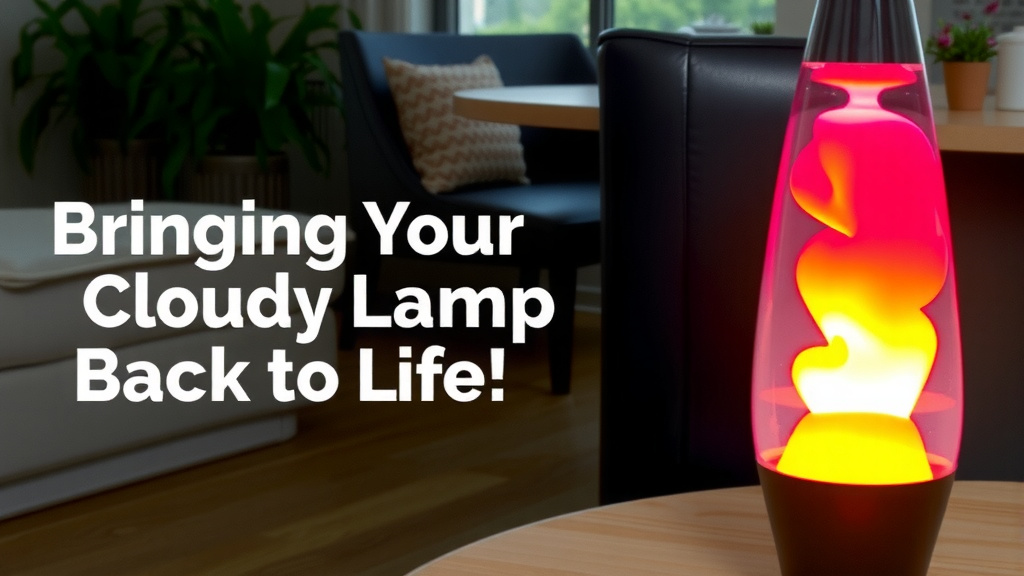
Bringing Your Cloudy Lava Lamp Back to Life
So, your lava lamp has gone from groovy to grungy, looking more like a science experiment gone wrong than a relaxing ambiance maker. Don’t hit the panic button just yet! Most of the time, a cloudy lava lamp isn’t a lost cause. You can often **restore its clarity** and mesmerizing flow with a few simple steps. We’ve found that the most common culprit is a simple overheating issue, and thankfully, it’s usually easy to fix.
Understanding Why Lava Lamps Get Cloudy
Before we jump into fixing it, let’s understand what’s happening inside that groovy glass. Lava lamps work by heating a special wax that’s less dense than the surrounding liquid. This causes the wax blobs to rise, cool, and then sink back down, creating that iconic mesmerizing motion. When your lamp turns cloudy, it means this delicate balance has been disrupted.
The Role of Heat and Overheating
Heat is the engine of your lava lamp. But, like any engine, too much can cause problems. Overheating is the number one reason why the wax and liquid can emulsify, turning your clear liquid into a milky mess. This often happens if the lamp is left on for too long without breaks, or if it’s placed too close to a heat source.
Aging and Chemical Changes
Lava lamps aren’t built to last forever without some maintenance. Over time, the chemicals in the wax and liquid can start to break down. We found research suggesting that the emulsification process can be accelerated by age. This is especially true for older lamps or those that haven’t been used for a long time. The natural degradation can lead to cloudiness.
Why Shaking is a No-Go
It might seem tempting to try and shake things up to fix the cloudiness, but please, resist the urge! Shaking a lava lamp, especially when it’s warm, can permanently damage the mixture. It can break down the wax into tiny droplets, making the entire lamp cloudy and preventing it from flowing correctly ever again. Think of it like trying to un-scramble an egg – it’s nearly impossible!
The Power of the Cool Down: Your First Step to Clarity
The most common and effective fix for a cloudy lava lamp is surprisingly simple: let it rest. Seriously, that’s it. Many users report success by giving their lamp a full break from its heat source. This allows the wax and liquid to separate properly. A complete cooldown is essential for the contents to settle and return to their original state.
How Long Should a Lava Lamp Cool Down?
We found that a minimum of 8 hours is usually recommended for a lava lamp to cool down completely. However, many enthusiasts suggest an even longer period, sometimes up to 24 hours, especially if the lamp has been running for an extended time or is severely cloudy. Patience here is your best friend. Think of it as a spa day for your lamp – it needs time to truly relax.
Restarting After the Break
Once your lamp has had its extended rest and is completely cool to the touch, you can try turning it back on. Run it for its usual cycle, typically about 4-6 hours. Observe the lamp closely. You might see the cloudiness begin to dissipate, and the wax blobs start to form and move as they should. If it clears up after this single cycle, congratulations! Your lamp is back in action.
Troubleshooting Persistent Cloudiness
What if that first cool-down and restart didn’t do the trick? Don’t get discouraged! Sometimes, it takes a couple of cycles. However, if the cloudiness persists after a few full cool-down and run cycles, it might be time to investigate further. There are a few other potential issues to consider.
Checking the Bulb Wattage
The bulb in your lava lamp is crucial for its operation. It provides the necessary heat to make the wax flow. If the bulb is too weak, it won’t heat the wax enough, and if it’s too strong, it can cause overheating and emulsification. We found that using the correct wattage bulb is vital. Check your lamp’s manual or the base for the recommended wattage. Using an incorrect bulb is a common reason for performance issues.
Is the Lamp on a Stable Surface?
This might sound basic, but ensuring your lava lamp is on a flat, stable surface is important. Vibrations can disturb the wax and liquid, especially when the lamp is warm. A wobbly surface can mimic the effects of shaking and contribute to cloudiness. Make sure it’s on a sturdy table or shelf, away from areas where it might get bumped.
Environmental Factors: Temperature and Drafts
The environment around your lava lamp plays a role too. Extreme temperature changes or drafts can affect how the wax and liquid behave. For instance, placing a lava lamp near a cold window or a fan can cause the wax to cool down too quickly, disrupting the flow and potentially contributing to cloudiness. Many experts suggest keeping lava lamps in a room with a consistent, moderate temperature.
When to Consider Professional Help or Replacement
We’ve covered the most common fixes, but what if none of these steps work? If you’ve followed all the cooling and restarting procedures, checked your bulb, and ensured a stable environment, your lamp might have a more serious internal issue. Sometimes, the emulsification is permanent, or there’s a defect in the lamp’s manufacturing.
In these cases, you might need to look into professional repair services if they’re available for your specific model. However, many consumer lava lamps aren’t designed for easy repair. If your lamp is very old or the damage seems extensive, it might be more cost-effective to consider purchasing a new one. We found that modern lava lamps are relatively affordable, making replacement a practical option for many.
A Quick Checklist for Reviving Your Lamp
Here’s a handy checklist to guide you through the process:
- Give it a full cooldown: Let your lamp rest, turned off, for at least 8-24 hours until it’s completely cold.
- Restart it: Turn the lamp on for its typical run cycle (4-6 hours).
- Observe closely: Watch for signs of clearing and normal wax flow.
- Repeat if necessary: If still cloudy, let it cool down again and try another run cycle.
- Check the bulb: Ensure you are using the correct wattage bulb for your lamp.
- Stable environment: Verify the lamp is on a level surface, away from drafts and extreme temperatures.
Conclusion
You’ve learned that a cloudy lava lamp isn’t the end of its groovy days. Most often, a simple cooldown period and a restart can bring it back to life. Remember, patience is key; sometimes, it takes a full 24 hours of rest. If cloudiness persists, double-check your bulb’s wattage and ensure your lamp is in a stable environment, free from drafts and excessive heat. By following these steps, you can often restore your lava lamp’s mesmerizing flow. So, give your lamp that well-deserved break, and get ready to enjoy its hypnotic dance once more.
Frequently Asked Questions
How long should I let my lava lamp cool down?
We found that a full 8 to 24 hours is generally recommended for your lava lamp to cool down completely. This ensures that the wax and liquid have properly separated. Letting it rest this long helps reset the lamp’s internal balance.
What if my lava lamp is still cloudy after a cooldown and restart?
If the cloudiness remains after a cooldown and restart cycle, try repeating the process. Sometimes, it takes a couple of full cycles for the lamp to clear up. Ensure you’re using the correct wattage bulb, as an incorrect one can cause issues.
Can I shake my lava lamp to fix the cloudiness?
Absolutely not! Please resist the urge to shake your lava lamp, especially when it’s warm. Doing so can permanently emulsify the wax and liquid, leading to persistent cloudiness and preventing it from flowing correctly ever again.
Why is the correct bulb wattage so important for my lava lamp?
The bulb provides the essential heat for the wax to flow. Using a bulb with the wrong wattage can either underheat the wax, causing poor flow, or overheat it, leading to cloudiness and emulsification. Always check your lamp’s manual for the recommended wattage.
Is it normal for lava lamps to get cloudy over time?
Yes, it is somewhat normal for lava lamps to develop cloudiness over time, especially as they age. This is due to the natural breakdown of the chemicals within the wax and liquid. Regular cooldown periods and proper care can help extend its clarity and lifespan.

![10 Best Affordable Uv Nail Lamp [2026]](https://bestdesklamp.com/wp-content/uploads/2026/09/10-best-affordable-uv-nail-lamp-2026-featured-768x432.jpg)
![10 Best Bedroom Lamps For Reading [2026]](https://bestdesklamp.com/wp-content/uploads/2026/08/10-best-bedroom-lamps-for-reading-2026-featured-768x432.jpg)