How Salt Lamps Purify Air And Improve Your Health
Salt lamps help by releasing negative ions into the air, which can neutralize pollutants and create a more calming atmosphere. While the science is still developing, many people find that these glowing pink crystals offer a sense of peace and well-being in their homes.
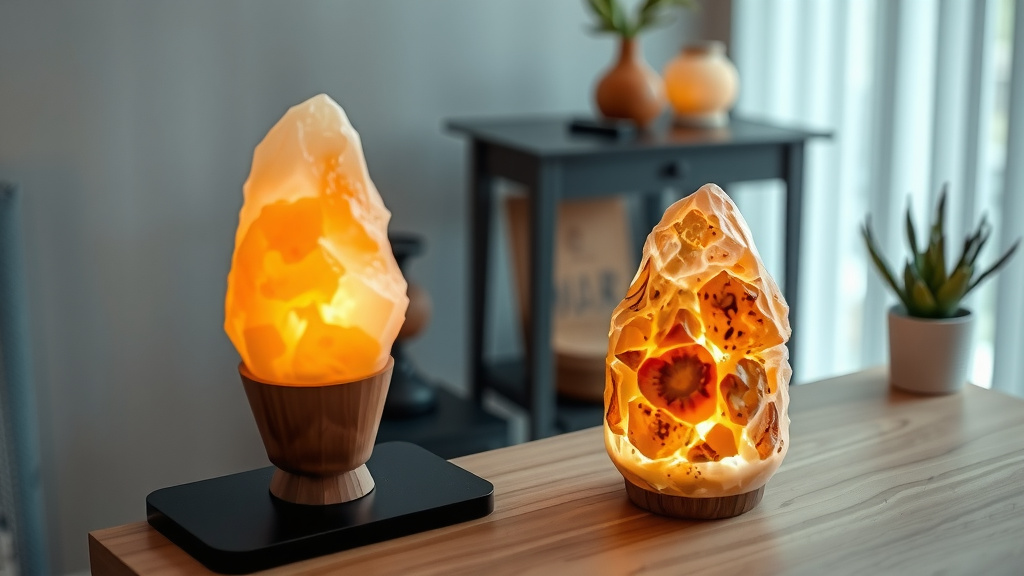
These lamps are essentially chunks of Himalayan pink salt with a light bulb inside. When heated, they are believed to produce negative ions, similar to those found near waterfalls or after a thunderstorm. This process may help reduce allergens and improve your mood.
- Salt lamps might help clean the air.
- They are thought to release negative ions.
- This can create a more relaxing environment.
- Many users report feeling calmer.
Ready to learn more about how these beautiful lamps might work their magic? Let’s walk through what research and users have found.
You’ve seen them, right? Those beautiful, glowing chunks of pink salt, often shaped into lamps. They add a lovely ambiance to any room. But beyond their aesthetic appeal, many people wonder: do salt lamps actually *do* anything for your well-being? It turns out, there’s more to these lamps than just pretty light. Let’s get into the details of what research and user experiences suggest about how salt lamps work.
Understanding How Salt Lamps Might Work
The primary theory behind salt lamps is their ability to release negative ions into the air. This process is believed to happen when the salt crystal is heated by the light bulb inside. Think of it like the air after a thunderstorm or near a waterfall – those fresh, invigorating feelings are often attributed to negative ions.
The Negative Ion Theory
When salt lamps are warmed, the moisture in the air interacts with the salt. This reaction, according to proponents, releases negative ions. These ions then float into your room. What’s so special about negative ions? Well, they are naturally occurring in environments with a lot of moving water or wind. They are thought to attach to positively charged particles in the air. These positively charged particles can include dust, mold spores, and bacteria. When the negative ions bind to them, these particles can become heavier and fall to the ground, instead of floating in the air you breathe.
Hygroscopic Properties at Play
Himalayan salt is known for its hygroscopic properties. This means it attracts water molecules from the surrounding air. The salt lamp works by drawing in moisture from your room. As this moisture collects on the salt’s surface, it can dissolve impurities. When the lamp heats up, it evaporates the water, releasing the purified air back into the room. This process is key to how salt lamps are thought to clean the air.
Potential Benefits of Salt Lamps
While the scientific community is still exploring the full extent of these benefits, many users report positive experiences. The claims often revolve around air quality and creating a more peaceful environment. Let’s look at what these might be.
Air Purification and Allergy Relief
One of the most cited benefits is the potential for air purification. By attracting and trapping airborne particles, salt lamps may help reduce allergens in your home. Dust, pollen, and pet dander are common culprits for allergy sufferers. If a salt lamp can help remove these from the air, it could offer some relief. This is linked to the negative ion theory; when impurities are neutralized, they can settle out of the air.
Some research suggests that negative ions can help clear the air of microscopic particles. This means less of those tiny irritants floating around. For people with asthma or other respiratory issues, this could be a welcome improvement. It’s a gentler approach compared to some electronic air purifiers.
Mood Enhancement and Stress Reduction
Have you ever noticed how peaceful you feel by the ocean or in a forest? Negative ions are often credited with this feeling. It’s thought that they may increase serotonin levels in the brain. Serotonin is a neurotransmitter linked to mood regulation. Some studies have explored the impact of negative ions on mood and anxiety. These studies suggest a potential link between increased negative ion exposure and feelings of well-being.
When you sit near a salt lamp, the gentle, warm glow itself can be very soothing. This ambient light is a far cry from harsh overhead lighting. It creates a relaxing atmosphere, perfect for winding down. Many users find this alone helps reduce feelings of stress and promotes a sense of calm. It’s like creating your own little sanctuary at home.
Improved Sleep Quality
If your bedroom feels more like a battlefield of stress than a haven of rest, a salt lamp might help. By potentially reducing airborne irritants and creating a calming atmosphere, it can contribute to a better sleep environment. Less dust means easier breathing. A more relaxed mood means less tossing and turning. Some people place salt lamps in their bedrooms to help them drift off more easily. The soft light also avoids disrupting your body’s natural sleep-wake cycle, unlike bright blue light from screens.
Creating a Pleasant Ambiance
Let’s not forget the sheer beauty and warm ambiance these lamps provide. Their soft, pinkish-orange glow is incredibly inviting. They can transform a dull corner into a cozy focal point. Whether you use them as a night light or as decorative pieces, they add a unique charm to your decor. This visual appeal itself can contribute to a more positive and welcoming home environment.
What the Research Says (and Doesn’t Say)
It’s important to have realistic expectations. While many people love their salt lamps, the scientific evidence for some of the stronger claims is still developing. Most of the current support comes from user testimonials and smaller studies.
The Science Behind Negative Ions
The concept of negative ions impacting health has been around for a while. Research has been conducted on the effects of negative ion generators, which are different from salt lamps. Some of these studies have shown positive effects on mood and sleep. However, the number of negative ions produced by a typical salt lamp is likely much lower than that of a dedicated ionizer. Therefore, the impact might be more subtle.
A study published in the journal *Atmospheric Environment* looked at ionizers and found they could reduce airborne particles. However, the study focused on electronic devices specifically designed to produce ions. It’s difficult to directly translate those findings to passive devices like salt lamps, which rely on natural processes and a light bulb’s heat.
Hygroscopy and Ion Release: A Gentle Process
The hygroscopic nature of salt is well-established. It does attract water. When the water evaporates, it *could* carry ions with it. However, the efficiency of this process in producing a significant number of ions for air purification is debated. The gentle heating from a small light bulb might not create a powerful enough effect to drastically alter your home’s air quality compared to, say, opening a window on a breezy day.
Many guidelines point to consistent ventilation as a key factor for good indoor air quality (CDC). While salt lamps might offer a small, passive contribution, they shouldn’t be seen as a replacement for regular cleaning and fresh air circulation. Think of them as a lovely addition to a healthy home environment, not the sole solution.
Tips for Using Your Salt Lamp
To get the most out of your salt lamp, consider these practical tips:
- Place them in areas where you spend a lot of time.
- Use them in rooms with moderate humidity.
- Keep them on for several hours a day.
- Ensure they are placed on a stable, protected surface.
- Clean them gently with a dry cloth.
If you’re considering a salt lamp, remember that its biggest impact might be the calming atmosphere it creates. The soft light and gentle presence can be a wonderful tool for relaxation. Pairing this with a few simple practices can make a big difference in your home’s feel.
Conclusion
You’ve explored how salt lamps might enhance your space by releasing negative ions and their hygroscopic properties. While research into their air-purifying and mood-boosting claims is ongoing, many users find them to be wonderful tools for creating a calming ambiance. The gentle, warm glow can truly transform a room into a cozy sanctuary. To make the most of your lamp, keep it on consistently in a room with moderate humidity and handle it with care. Consider adding a salt lamp to your home as a beautiful way to encourage relaxation.
Frequently Asked Questions
Do salt lamps actually clean the air?
Salt lamps may contribute to cleaner air by attracting moisture and impurities from the air due to their hygroscopic nature. When the lamp heats up, the evaporated water is thought to release neutralized particles, potentially reducing airborne irritants. However, their cleaning effect is generally considered subtle and not a replacement for ventilation or air purifiers.
Are the negative ions from salt lamps scientifically proven to help?
The theory is that salt lamps release negative ions when heated, which attach to positively charged particles like dust and allergens, causing them to fall from the air. While negative ions are known to exist and some studies on dedicated ionizers show benefits, the exact number of ions produced by a salt lamp and their proven impact on human health is still a subject of ongoing research.
Can a salt lamp really improve my mood and reduce stress?
Many users report feeling calmer and more relaxed around salt lamps, attributing this to the gentle negative ions and the soothing, warm light. This ambient glow can create a peaceful atmosphere conducive to stress reduction. It’s thought that this environment helps promote a sense of well-being.
How long should I keep my salt lamp on to see benefits?
For potential benefits, it’s generally recommended to keep your salt lamp on for several hours a day, especially in the room where you spend most of your time. Consistent use allows the lamp to interact with the air in your space. Leaving it on overnight can also contribute to a relaxing bedroom environment.
Do salt lamps emit harmful radiation?
No, salt lamps do not emit harmful radiation. The light bulb inside generates heat, which is believed to facilitate the release of negative ions. They are safe for home use and are primarily known for their aesthetic appeal and the gentle ambiance they create, rather than any hazardous emissions.

![10 Best Affordable Sad Lamps [2026]](https://bestdesklamp.com/wp-content/uploads/2026/09/10-best-affordable-sad-lamps-2026-featured-768x432.jpg)
![10 Best Affordable Uv Nail Lamp [2026]](https://bestdesklamp.com/wp-content/uploads/2026/09/10-best-affordable-uv-nail-lamp-2026-featured-768x432.jpg)