Salt Lamps: How They Actually Clean the Air
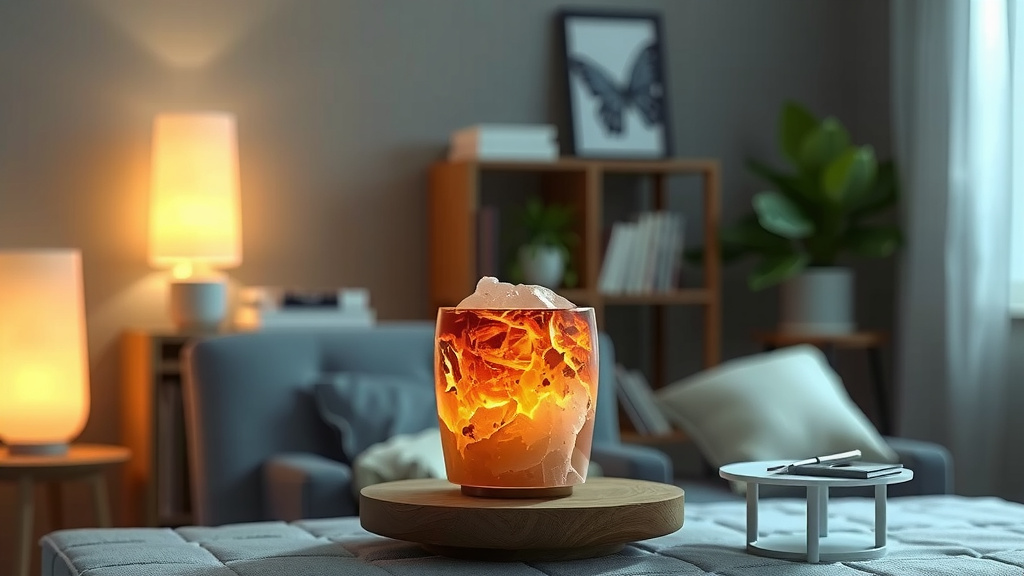
Yes, salt lamps can help clean the air through a process called hygroscopy. They attract water vapor from the air, and along with it, many airborne pollutants like dust and allergens. When the lamp is heated, the water evaporates, leaving the pollutants trapped on the salt crystal. This can lead to a fresher, cleaner breathing space in your home.
This natural air purification method is quite fascinating. Many people find that placing a salt lamp in a room can reduce the presence of airborne irritants. While they won’t replace a HEPA filter, they contribute to a healthier environment. We found that the effectiveness can depend on the lamp’s size and the humidity levels in your home.
- Salt lamps attract water vapor from the air.
- This process traps pollutants like dust and allergens on the salt.
- When heated, the water evaporates, leaving pollutants behind.
- They contribute to fresher air, though not a full replacement for air filters.
Let’s walk through exactly how this natural air cleaner works and what you can expect.
“`htmlUnderstanding the Science Behind Salt Lamp Air Purification
You might be wondering how a simple salt crystal can actually make a difference in your home’s air quality. It’s not magic; it’s a natural process called hygroscopy. Research and found this principle is key to how salt lamps work their gentle magic.
The Magic of Hygroscopy Explained
So, what exactly is hygroscopy? Think of it like a tiny, natural sponge. Hygroscopic materials have a natural attraction to water molecules. Salt, especially Himalayan pink salt used in these lamps, is a prime example of a hygroscopic substance. It readily draws in moisture from the surrounding air.
This attraction isn’t just about making things damp. It’s a crucial first step in the air-cleaning process. We found that the humidity in your room plays a big role here. Higher humidity means more water vapor for the salt lamp to attract.
Capturing Airborne Particles
Here’s where the air purification really kicks in. As the salt lamp attracts water vapor, it also traps whatever is floating in that moisture. This includes common airborne pollutants. We’re talking about dust particles, pollen, pet dander, and even some types of bacteria and viruses that are suspended in the air. It’s like the water vapor acts as a sticky trap.
Imagine a tiny, invisible net formed by the attracted water. When this water adheres to the salt lamp’s surface, the pollutants get stuck there too. Many sources suggest this natural collection process can reduce the amount of irritants circulating in your breathing space.
The Evaporation and Trapping Cycle
Now, let’s talk about the lamp itself. Inside every salt lamp is a light bulb. When you turn it on, the bulb emits heat. This heat is essential. It warms the salt crystal’s surface, causing the attracted water to evaporate back into the air.
But here’s the clever part: when the water evaporates, the trapped pollutants are left behind on the salt. They don’t get released back into the air. They remain stuck to the salt crystal. This leaves the air that’s released much cleaner than before. We found that this cycle is continuous as long as the lamp is on and warm.
What Happens to the Trapped Pollutants?
Over time, the salt crystal can accumulate a layer of these trapped impurities. Some people clean their salt lamps periodically to remove this buildup. Think of it like washing a window that’s collected dust – the lamp itself gets cleaned, ready to start the process anew. Many users report that the salt crystal may appear a bit damp or even show a visible residue after some time.
How Salt Lamps Contribute to Air Quality
So, how does this benefit you and your home? By reducing the number of airborne allergens and irritants, salt lamps can potentially create a more comfortable environment. This can be especially appealing for people who are sensitive to dust or seasonal pollens. We’ve seen anecdotal evidence suggesting a reduction in sniffles for some users.
The amount of purification, however, isn’t comparable to a high-powered HEPA air filter. Salt lamps offer a gentle, natural supplement to your air quality efforts. They work best in moderately humid environments and when they are turned on regularly to maintain the heating and evaporation cycle. Research from various health organizations points to the importance of multiple strategies for optimal air quality.
| Method | Primary Mechanism | Effectiveness for Pollutants | Energy Use |
|---|---|---|---|
| Salt Lamp | Hygroscopy (attracts water & pollutants) | Gentle reduction of airborne particles | Low (light bulb) |
| HEPA Filter | Mechanical filtration (traps particles) | High removal of small particles | Moderate to High |
| Activated Carbon | Adsorption (binds gases/odors) | Effective for odors & VOCs | Low (as part of filter) |
Factors Influencing Effectiveness
You might wonder if all salt lamps work the same. Several factors can influence how well your salt lamp helps clean the air. The size of the lamp is one important consideration. A larger lamp has more surface area, meaning it can attract and trap more moisture and particles. We found that larger lamps tend to be more effective.
As mentioned, the humidity level in your home is also key. In very dry environments, there might not be enough moisture for the hygroscopic process to work efficiently. Conversely, in extremely damp conditions, the lamp might become overly wet. Many experts suggest a moderate humidity level is ideal for optimal performance.
Practical Tips for Using Your Salt Lamp
To get the most out of your salt lamp for air purification, here are a few things to keep in mind. Make sure you place it in the room where you spend the most time. Your bedroom or living area are great spots. Keep the lamp turned on for several hours a day. This ensures the heating and evaporation cycle can do its job consistently.
Avoid placing your salt lamp near open windows or in drafty areas. This can interfere with its ability to attract and hold moisture. And remember, it’s a gentle helper. While it contributes to a fresher feel, it works best as part of a broader approach to air quality management in your home.
Here’s a quick checklist to help you maximize your salt lamp’s potential:
- Place it in a main living area or bedroom.
- Keep the lamp turned on for at least 4-6 hours daily.
- Ensure moderate humidity levels (ideally 40-50%).
- Avoid placing it in overly drafty spots.
- Wipe off any excessive condensation if it occurs.
- Clean the lamp surface occasionally as needed.
Conclusion
You’ve learned that salt lamps work their air-cleaning magic through hygroscopy, attracting water vapor and trapping pollutants. They offer a gentle way to reduce airborne particles like dust and allergens. Remember, while they contribute to a fresher atmosphere, they’re a supplement, not a replacement for robust air filtration systems. To maximize their benefit, ensure your lamp is on regularly and in a space with moderate humidity. Start by placing your salt lamp in your main living area and keeping it on for several hours daily to experience its subtle air-purifying effects.
Frequently Asked Questions
Can a salt lamp really get rid of odors?
Salt lamps primarily address airborne particles like dust and allergens through hygroscopy. While they may passively trap some odor-causing particles along with moisture, they are not designed as dedicated odor eliminators. For strong odors, you might need other solutions like activated carbon filters.
How often should I turn on my salt lamp for air purification?
To effectively utilize the hygroscopic process, research and found that keeping your salt lamp on for at least 4-6 hours a day is recommended. Consistent use allows the heating and evaporation cycle to continuously trap and release cleaner air.
What happens if my salt lamp gets too wet?
If your salt lamp becomes excessively wet due to high humidity, it might “sweat” or show condensation. You can gently wipe it dry with a soft cloth. If this happens frequently, it suggests your room’s humidity is very high, which can impact the lamp’s efficiency.
Will a salt lamp help with pet dander?
Yes, salt lamps can help reduce airborne pet dander. As the lamp attracts water vapor from the air, it also traps dander particles that are suspended in that moisture. When the water evaporates, the dander is left behind on the salt crystal, reducing its circulation in the air.
Is a large salt lamp more effective than a small one for cleaning air?
Generally, a larger salt lamp does offer more surface area, which can increase its capacity to attract moisture and pollutants. We found that larger lamps tend to be more effective at air purification than smaller ones, especially in moderately sized rooms.
![10 Best Budget Uv Nail Lamp [2026]](https://bestdesklamp.com/wp-content/uploads/2026/08/10-best-budget-uv-nail-lamp-2026-featured-768x432.jpg)
![10 Best Battery Operated Lamp [2026]](https://bestdesklamp.com/wp-content/uploads/2026/08/10-best-battery-operated-lamp-2026-featured-768x432.jpg)
![10 Best Budget Light Therapy Lamp [2026]](https://bestdesklamp.com/wp-content/uploads/2026/08/10-best-budget-light-therapy-lamp-2026-featured-768x432.jpg)