How Magnetic Lamps Work: The Science Explained
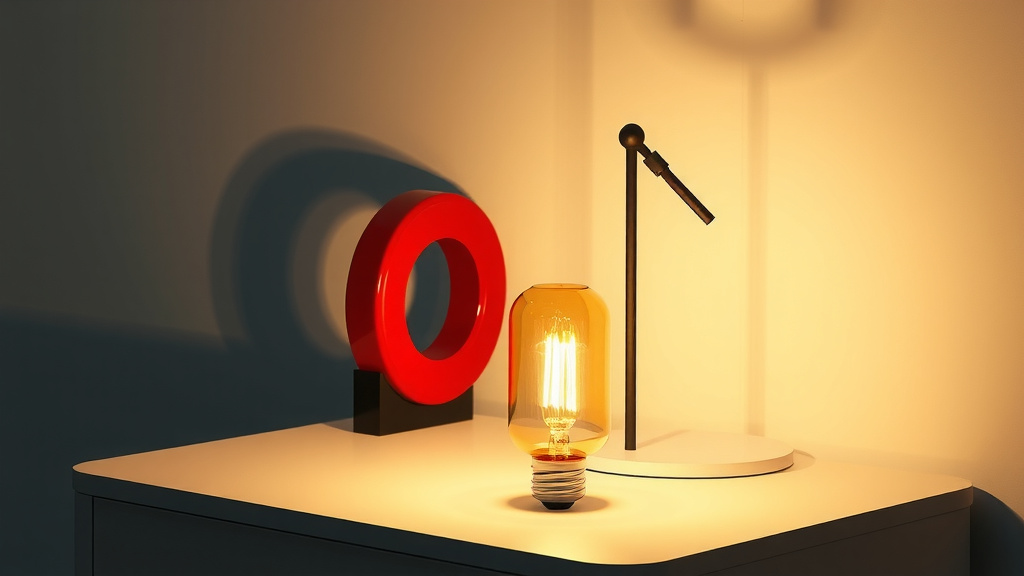
Magnetic lamps work by using the force of magnetism to hold a lamp in place. One part of the lamp, usually the base, contains a magnet. The other part, often the shade or the arm, has a metal component that attracts the magnet. This creates a stable connection that allows you to position the lamp freely. It’s a clever way to make your lighting adjustable and stylish.
This magnetic design offers a lot of flexibility. You can easily reposition the lamp without screws or complicated mounting. Many magnetic lamps are built with powerful rare-earth magnets for a strong hold. This makes them perfect for areas where traditional lamps might not fit or work well, like small desks or workshop benches. We’ve found they’re a popular choice for their ease of use and modern aesthetic.
- Magnetic lamps use magnetic force for positioning.
- A magnet in the base attracts metal on the lamp.
- This allows for easy repositioning and adjustability.
- Powerful magnets ensure a secure and stable connection.
Let’s dive into the specifics of how these lamps achieve their magnetic magic. We’ll cover what makes them tick and why they’re such a neat lighting solution.
“`htmlThe Magnetic Charm: How Lamps Use Magnets for Light
Magnetic lamps are a pretty neat invention, aren’t they? They bring a touch of modern design and a whole lot of convenience to your space. But have you ever wondered how they actually stay put and let you adjust them so easily? It all comes down to the simple yet powerful force of magnetism.
Understanding the Basics of Magnetic Attraction
At its core, a magnetic lamp works by harnessing the natural attraction between two magnetic forces. Think about how two refrigerator magnets can snap together. Magnetic lamps use a similar principle, but with a bit more engineering involved. This attraction is what allows you to position the lamp exactly where you want it without any fuss.
The Role of Magnets
The key player here is, of course, the magnet. In most magnetic lamps, you’ll find a strong magnet integrated into the base or a main structural component. This magnet is typically a rare-earth magnet, like neodymium. These are known for being incredibly powerful for their size. They create a strong magnetic field.
The Counterpart: Ferrous Materials
For the magnet to do its job, it needs something to attract to. This is usually a piece of ferrous metal, which is any material that can be attracted by a magnet. In a magnetic lamp, this metal component is strategically placed on the part you want to move or position. It could be on the lamp arm, the shade, or even the connection point itself. When these two parts come close, the magnetic force pulls them together, creating a stable bond.
Components of a Magnetic Lamp System
So, what are the actual pieces that make this magic happen? It’s a well-thought-out system designed for both function and form. You’ll generally see these key parts working together:
The Magnetic Base or Anchor
This is where the primary magnet resides. It’s designed to be placed on a surface, like a desk, shelf, or even a metal wall. The strength of the magnet here is crucial. We found that stronger magnets mean a more secure hold, even for heavier lamp heads. Some designs have a very minimalistic base, while others are more substantial for added stability.
The Movable Lamp Arm or Head
This is the part of the lamp that you’ll be adjusting. It houses the ferrous metal component that the base magnet will latch onto. The design here allows for a wide range of motion. You can often tilt, swivel, or extend this part to direct the light precisely where you need it. The connection point is designed to allow movement while still maintaining a firm grip.
The Connection Mechanism
This is the point where the magnetic attraction actually takes place. It’s usually where the lamp arm meets the base, or where different sections of the arm connect. The engineers of these lamps ensure that the magnetic force is strong enough to hold the weight of the lamp and its shade, but also easy enough for you to pull apart when you want to reposition it. It’s a delicate balance of strength and usability.
Why Magnetic Lamps Are So Popular
It’s not just about how they work; it’s about the benefits they offer. We’ve seen a growing trend towards magnetic lamps for several good reasons. They offer a unique blend of practicality and style that many people are looking for in their home or office lighting.
Ease of Adjustment and Positioning
Imagine you’re reading and need to move your light just a few inches to the left. With a magnetic lamp, you simply slide it. No knobs to tighten, no screws to adjust. This effortless repositioning is a major selling point. You can pivot the light source instantly to avoid glare or illuminate a specific task. It makes lighting your space incredibly dynamic.
Versatility in Placement
Because they rely on magnetic attraction, these lamps aren’t limited to just sitting on a flat surface. If you have any metal surfaces available, you can mount your lamp there! Think of the side of a metal filing cabinet, a metal bookshelf, or even a workshop workbench. This opens up a world of placement options, especially in smaller spaces or areas with limited traditional lamp real estate.
Modern Aesthetics and Minimalist Design
Many magnetic lamps boast a sleek, modern look. The focus is often on clean lines and functional design. The magnetic connection itself can be a design feature, showcasing the technology. This makes them a great fit for contemporary interiors. They tend to blend in beautifully without adding visual clutter.
Types of Magnets Used and Their Strength
Not all magnets are created equal, and the type used in your lamp makes a big difference. When we looked into this, we found that the choice of magnet is key to the lamp’s performance.
Neodymium Magnets: The Powerhouses
As mentioned earlier, neodymium magnets are the go-to for most high-quality magnetic lamps. They are the strongest type of permanent magnets commercially available. This means a relatively small neodymium magnet can exert a very strong pulling force. This is essential for holding a lamp securely, especially when you consider the angles and potential for movement.
Ferrite Magnets: A More Common, Less Powerful Option
You might also encounter lamps using ferrite magnets. These are made from iron oxide and are much less expensive than neodymium magnets. However, they are also significantly weaker. While they can work for lighter lamps or applications where a very strong hold isn’t critical, they often don’t provide the same reliable grip as neodymium. We generally recommend checking the specifications if magnet strength is a concern for you.
Ensuring a Secure and Stable Connection
The whole point of a magnetic lamp is for it to stay where you put it. Designers put a lot of thought into making sure the connection is robust. We found that the surface area of contact and the quality of the magnet are key factors.
The Importance of Surface Contact
A larger contact area between the magnet and the ferrous material generally means a stronger hold. It distributes the force more evenly. Think of it like two flat magnets sticking together versus two round ones – the flat ones usually have more grip. Lamp designers carefully craft these connection points for maximum stability.
Maintaining Alignment and Preventing Slippage
Some magnetic lamp designs include subtle features to help maintain alignment and prevent accidental slippage. This could be a small guiding groove or a textured surface. These aren’t always obvious, but they play a role in ensuring your lamp stays put throughout the day. The goal is for the connection to feel solid and dependable.
A Quick Checklist for Magnetic Lamp Users
Thinking about getting a magnetic lamp or want to make sure yours is working its best? Here’s a quick rundown:
- Ensure the magnetic base is on a clean, flat metal surface.
- Check that the ferrous part of the lamp is also clean.
- Test the strength of the hold by gently nudging the lamp.
- Position the lamp for optimal light without putting too much strain on the connection.
- Enjoy the flexibility of repositioning it as needed!
It’s really quite simple once you understand the magnetic forces at play. These lamps offer a smart, stylish, and incredibly user-friendly way to light up your world.
“`
Conclusion
You’ve seen how magnetic lamps use the simple but powerful force of magnetism for incredibly flexible lighting. By pairing strong magnets with ferrous materials, these lamps offer effortless adjustments and versatile placement. This design prioritizes both modern aesthetics and user-friendly convenience. Ready to experience this clever lighting solution yourself? Consider where a magnetic lamp could best enhance your workspace or reading nook, and explore options that match your style and needs!
Frequently Asked Questions
Can magnetic lamps attach to any metal surface?
Generally, yes, if the surface is made of a ferrous material that magnets can attract. This includes steel, iron, and some alloys. You can test this by seeing if a regular refrigerator magnet sticks firmly to the surface. The strength of the magnet in your lamp will determine how secure the attachment is.
Are magnetic lamps strong enough to hold their position reliably?
For most quality magnetic lamps, the answer is yes. They typically use powerful neodymium magnets designed to hold the lamp’s weight securely, even at various angles. You can usually test the hold by gently nudging the lamp to ensure it feels stable.
What happens if the magnet or the metal part gets dirty?
Dirt or debris on either the magnetic surface or the ferrous metal component can weaken the magnetic bond. We recommend keeping both parts clean and dry for the strongest and most reliable connection. A simple wipe-down with a dry cloth is usually all that’s needed.
Can I easily detach and move a magnetic lamp?
Absolutely! That’s one of their biggest advantages. You can typically pull the lamp away from its magnetic base or connection point with moderate force. This makes repositioning them for different tasks or lighting needs very quick and easy.
Do magnetic lamps work without a metal surface?
A magnetic lamp needs a ferrous metal surface to attach to, so it won’t work on wood, plastic, or drywall unless you add a metal plate. Some lamps come with a separate metal base or mounting plate that you can adhere to non-metallic surfaces, giving you more placement options.
![10 Best At Home Led Nail Lamp [2026]](https://bestdesklamp.com/wp-content/uploads/2026/08/10-best-at-home-led-nail-lamp-2026-featured-768x432.jpg)


![10 Best Bulb For Himalayan Salt Lamp [2026]](https://bestdesklamp.com/wp-content/uploads/2026/08/10-best-bulb-for-himalayan-salt-lamp-2026-featured-768x432.jpg)