How Kerosene Lamps Work: A Simple Explanation
Kerosene lamps work by drawing liquid kerosene fuel up a wick through capillary action. The wick then burns, producing a steady flame that provides light. It’s a clever, simple system that lit homes for generations.
These lamps are more than just a light source. They represent a time before electricity was common. Understanding how they function involves a basic grasp of fuel and fire. Many people find this historical technology fascinating.
- Kerosene lamps use capillary action to pull fuel up a wick.
- The wick then burns, creating a controllable flame for light.
- They were a primary light source before widespread electricity.
- Their design is simple but highly effective.
Let’s walk through exactly how this seemingly magical light source turns oil into illumination. You’ll see it’s quite straightforward!
How Kerosene Lamps Turn Oil Into Light
Ever wondered how those old kerosene lamps actually work? It’s a pretty neat process. They use a special fuel, kerosene, and a wick. This wick acts like a tiny fuel line. It soaks up the kerosene and brings it to the flame. It’s a clever system that brought light to homes for a long time.
The Core Components of a Kerosene Lamp
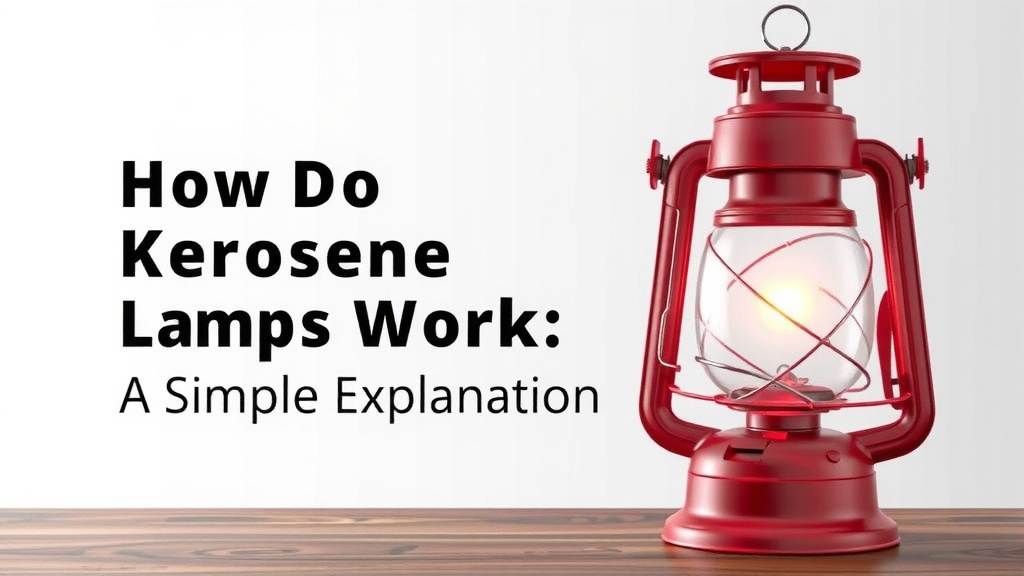
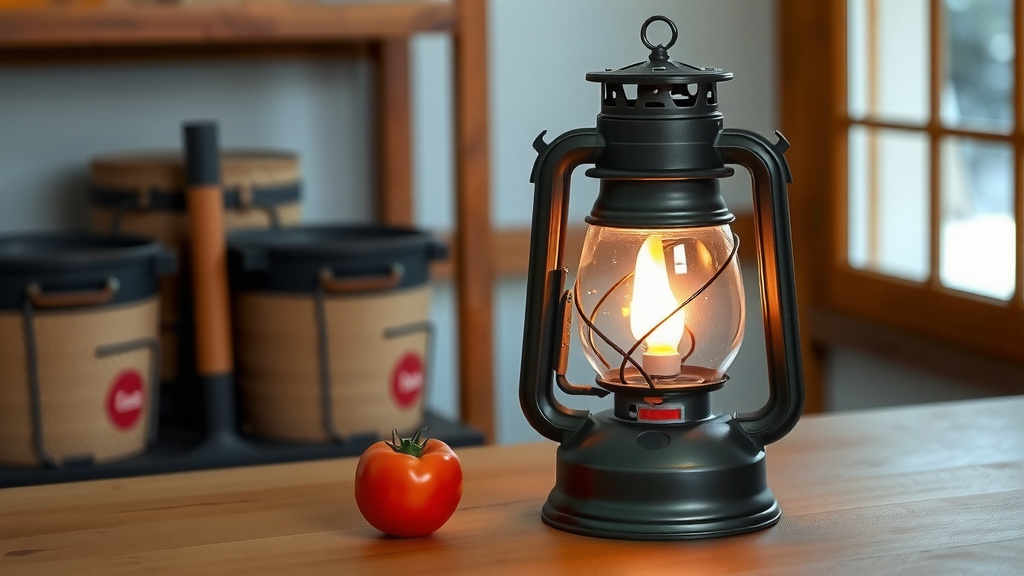
To understand the magic, let’s break down the lamp itself. There are just a few key parts. You have the fuel reservoir. This is where you pour the kerosene. Then there’s the wick. It’s usually made of cotton. The wick is threaded through a metal holder. This holder sits on top of the reservoir. Finally, there’s the chimney. This is a glass shade. It protects the flame.
The Fuel: Kerosene’s Role
Kerosene is the star of the show. It’s a type of petroleum distillate. Think of it as a refined oil. It’s flammable but not too volatile. This makes it safer for lamps. It burns with a steady, bright flame. We found that proper ventilation is key when using it (CDC). Kerosene has a specific flashpoint. This is the lowest temperature at which it can vaporize to form an ignitable mixture in air.
The Wick: The Fuel’s Journey
The wick is the unsung hero. It’s made of absorbent material, usually cotton. This material has tiny spaces. These spaces are like microscopic straws. They pull the liquid kerosene upward. This process is called capillary action. It’s the same force that pulls water up a plant’s stem. The wick must be the right thickness. Too thin, and it won’t draw enough fuel. Too thick, and it might smoke.
Capillary Action Explained
Capillary action happens due to adhesive and cohesive forces. Adhesion is the attraction between different substances. Cohesion is the attraction between like substances. In the wick, the liquid kerosene is attracted to the fibers. It’s also attracted to itself. This combination pulls the liquid up against gravity. You’ll see the fuel line move down slowly as the kerosene burns.
The Flame: Bringing Light to Life
Once the kerosene reaches the top of the wick, it’s exposed to air. You then light the tip of the wick. The heat from the match vaporizes the kerosene. This vapor then burns. The burning vapor creates the flame. The wick acts as a continuous fuel source. It feeds the flame as it burns. Adjusting the wick height controls the flame size. This allows you to manage the brightness.
Why the Chimney is Important
The glass chimney does more than just look pretty. It shields the flame from drafts. This is crucial for a steady light. Without it, the flame would flicker wildly. It also helps direct airflow. The heat from the flame creates an updraft. This draws fresh air in from the bottom. This constant supply of oxygen fuels the flame efficiently. It’s a simple but effective design.
A Look Inside the Burner Assembly
The burner is where the action happens. It holds the wick and the chimney. You’ll often see a threaded collar. This screws onto the top of the fuel reservoir. The wick sits inside a metal tube. This tube is part of the burner. There’s usually a small gear or wheel. Turning this wheel raises or lowers the wick. This lets you adjust the flame. It’s a mechanical marvel in its simplicity.
The Mechanics of Wick Adjustment
Adjusting the wick is key to a good light. You want a bright, steady flame. If the flame is too low, you raise the wick a bit. If it’s smoking or too high, you lower it. It takes a little practice. You’ll quickly get a feel for it. We found that trimming a burnt wick helps too. It keeps the fuel flowing smoothly. A clean, even wick edge is best.
Different Types of Burners
Not all kerosene lamps are the same. Burners can vary. Some have a single wick. Others have dual wicks for more light. There are also pressure lamps. These use a pump to increase air pressure. This forces fuel to the burner at a higher rate. This results in a much brighter light. However, these are more complex than standard wick lamps.
Putting It All Together: The Kerosene Lamp in Action
So, to recap, it’s a chain reaction. First, you fill the reservoir with kerosene. The absorbent wick soaks up the fuel via capillary action. You then light the tip of the wick. The heat vaporizes the kerosene, and the vapor burns, creating light. The chimney protects the flame and directs airflow. The burner allows you to control the flame size. It’s a complete, self-sustaining system.
Key Takeaways for Your Kerosene Lamp Knowledge
Understanding how these lamps work is fascinating. It shows basic physics in action. Here’s a quick checklist to remember:
- Kerosene is the fuel, a refined oil.
- Wicks draw fuel up using capillary action.
- The vaporized fuel burns to create light.
- The chimney stabilizes the flame and aids airflow.
- Wick adjustment controls flame brightness.
- It’s a simple, effective illumination method.
Conclusion
You’ve now seen the simple mechanics behind kerosene lamps. It’s a beautiful blend of physics and engineering. Capillary action draws fuel up the wick. The vaporized fuel then burns, creating light. The chimney ensures a steady flame. Adjusting the wick fine-tunes the brightness. This technology lit up our world for a long time. Understanding it gives you a new appreciation. Next time you see one, you’ll know exactly how it works. For your next lamp, consider practicing wick adjustment. You’ll master a perfect flame in no time!
Frequently Asked Questions
How often should I refill my kerosene lamp?
You should refill your kerosene lamp when the fuel level is low. This prevents the wick from burning dry. It’s best to refuel when the lamp is cool. This ensures safety. Keep an eye on the fuel level, especially during extended use.
Can I use gasoline or other fuels in my kerosene lamp?
No, you should never use gasoline or other volatile fuels. Kerosene lamps are designed specifically for kerosene. Using other fuels can be extremely dangerous. It can lead to explosions or uncontrolled fires. Always stick to lamp-grade kerosene.
Why does my kerosene lamp smoke so much?
Excessive smoking often means the wick is too high. Try lowering the wick slightly. A dirty or uneven wick can also cause smoking. Trim the wick to ensure a clean, flat surface. Also, ensure you’re using the correct type of kerosene for your lamp.
How do I safely store kerosene for my lamp?
Store kerosene in an approved, sealed container. Keep it in a cool, dry, and well-ventilated area. Store it away from any open flames or heat sources. Never store it near flammable materials. Proper storage is essential for safety.
What is the purpose of the metal piece holding the wick?
That metal piece is called the burner assembly. It securely holds the wick in place. It also often contains the mechanism to adjust the wick’s height. This allows you to control the flame size and brightness. It’s designed to feed fuel efficiently to the flame.
![10 Best Buffet Lamps [2026]](https://bestdesklamp.com/wp-content/uploads/2026/08/10-best-buffet-lamps-2026-featured-768x432.jpg)
![10 Best Ceramic Lamps [2026]](https://bestdesklamp.com/wp-content/uploads/2026/08/10-best-ceramic-lamps-2026-featured-768x432.jpg)