How Lamp Posts Work: A Simple Explanation
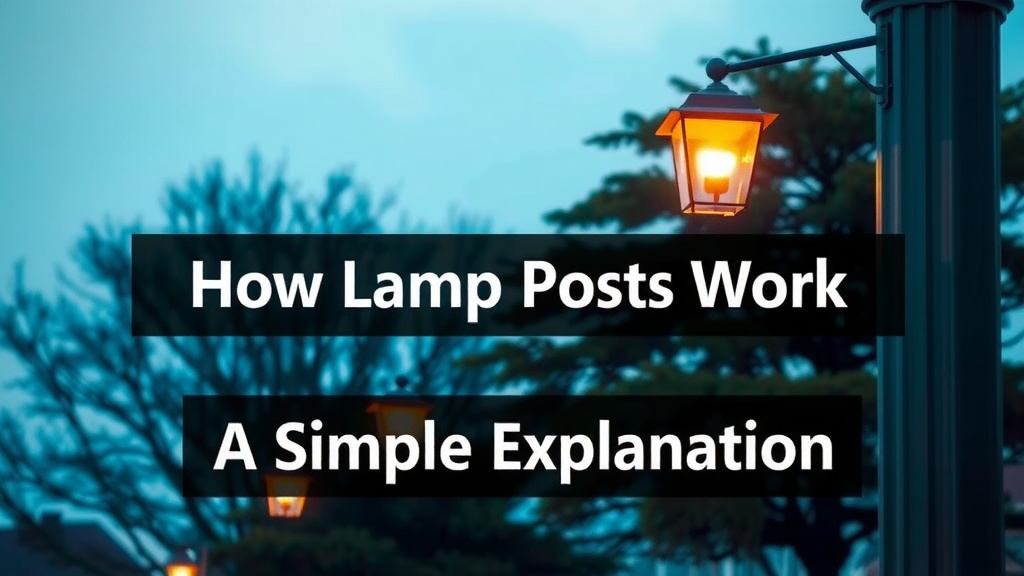
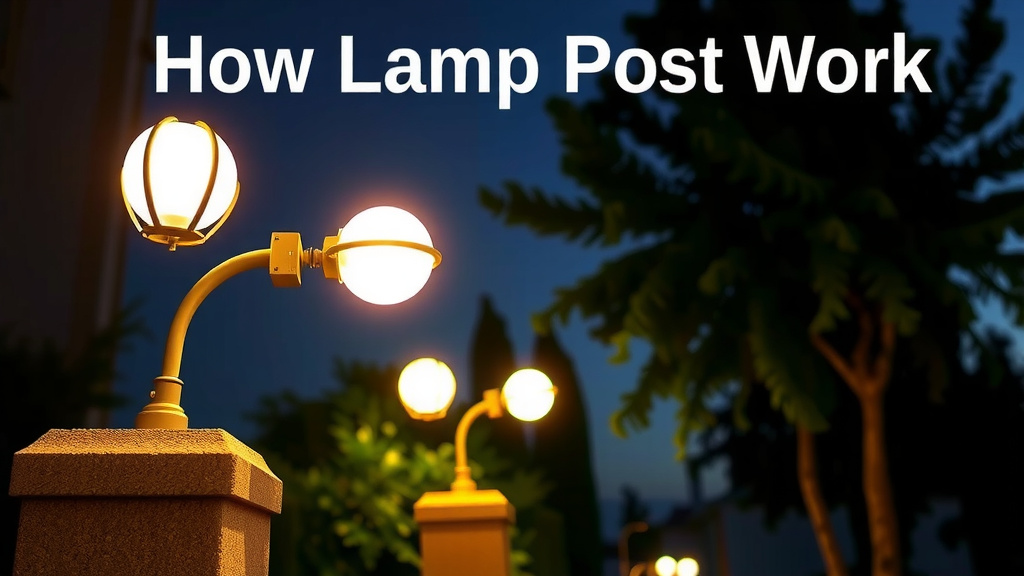
Lamp posts work by using electricity to power a bulb that emits light. This power usually comes from the main electrical grid, delivered through underground or overhead wires. The post itself contains the necessary wiring and housing to safely hold and operate the light. Some modern lamp posts also have smart technology built-in for efficiency.
You’ve likely seen them lining streets, parks, and pathways. Their main job is to provide safe, ambient illumination after dark. But beyond just holding a bulb, these posts often incorporate other features like timers or sensors to control when they turn on and off, making them quite resourceful.
- Lamp posts use electricity to light up.
- Power comes from the electrical grid.
- Posts safely house the wiring and bulb.
- Many have smart features for efficiency.
- They provide essential street lighting.
Let’s walk through exactly how these dependable sources of light do their job, from powering up to shining bright.
How Lamp Posts Illuminate Your Evenings
Lamp posts are more than just decorative street furniture. They’re actually quite ingenious systems. They work by delivering electrical power to a light source. This power then travels through wires to the bulb. The bulb converts this electricity into visible light. This process makes our nights safer and more pleasant. Let’s break down the journey of electricity to light.
The Power Behind the Light
Most lamp posts get their power from the public electrical grid. This grid is a vast network of power lines and substations. It brings electricity from power plants to our homes and streets. For lamp posts, this power is typically routed underground. Sometimes, overhead wires are used, especially in older neighborhoods. This ensures a steady and reliable power supply.
Connecting to the Grid
Underground electrical conduits house the wires. These are buried beneath sidewalks or roads. They connect to a junction box. This box is usually located at the base of the lamp post. From this point, wires run up inside the post itself. This keeps the electrical components protected from weather and tampering. It’s a well-thought-out system for safety.
Overhead Power Lines
In some areas, you might see lamp posts connected by overhead wires. These wires run from utility poles. They then branch off to each lamp post. While less common for modern installations, this method is still functional. It’s often found in historic districts or where underground work is difficult. The principle is the same: delivering electricity to the fixture.
Inside the Lamp Post: The Luminary’s Home
The lamp post itself acts as a sturdy, protective structure. It’s designed to house all the electrical components safely. Think of it as a well-built cabinet for your light. The top part, the luminaire, holds the bulb and its housing. The pole provides the vertical support and conduit for wires.
The Luminaire: Where the Magic Happens
This is the part that shines. The luminaire contains the light bulb. It also has a reflector and a lens or cover. The reflector directs the light downwards. The lens protects the bulb from the elements. It also helps shape the light beam. Different types of bulbs have different luminaire designs.
Bulb Technology Through the Years
Early lamp posts used gas or incandescent bulbs. These were later replaced by more efficient options. Today, you’ll find LEDs (Light Emitting Diodes). LEDs are incredibly energy-efficient. They also last much longer than older bulb types. This reduces maintenance costs and energy waste significantly. Research shows LEDs can last for tens of thousands of hours (U.S. Department of Energy).
Wiring and Safety Features
Inside the pole, wires connect the power source to the luminaire. These wires are insulated for safety. They also include various safety mechanisms. Circuit breakers or fuses protect against overloads. This prevents damage to the system and potential fire hazards. It’s all about keeping things running smoothly and safely.
Controlling the Light: When and How
Lamp posts don’t just stay on all night, every night. They have systems to control when they operate. This makes them much more efficient. They can turn on at dusk and off at dawn automatically. This saves energy and ensures light is available when needed.
Photocells: The Dawn and Dusk Detectors
Many lamp posts use photocells. These are small sensors that detect light levels. When natural light fades, the photocell signals the lamp to turn on. As daylight returns, it signals the lamp to turn off. It’s a simple yet effective automation method. They are usually mounted on top of the luminaire.
Timers: Setting a Schedule
Some systems use timers. These are set to turn lights on and off at specific times. This can be useful in areas with predictable light patterns. Timers are less common now than photocells. However, they still play a role in some older or specialized installations. They offer a reliable, time-based control.
Smart Controls: The Modern Approach
Today’s lamp posts are getting smarter. Smart technology is being integrated. These systems can be controlled remotely. They can also monitor their own performance. Some even adjust brightness based on traffic or pedestrian activity. This offers advanced energy savings. It also improves public safety by ensuring light is available when and where it’s most needed.
Maintenance: Keeping the Light Shining
Like any electrical system, lamp posts need maintenance. This includes occasional bulb replacement. It also involves checking the wiring and housing. Regular inspections ensure they operate safely and efficiently. Utility companies or city maintenance crews handle this work.
Here’s a quick checklist for how lamp posts function:
- Receive power from the electrical grid.
- Wires run inside the pole for protection.
- The luminaire houses the bulb and directing elements.
- Photocells or timers control on/off cycles.
- Modern posts utilize smart technology for efficiency.
- Regular maintenance ensures safe operation.
So, the next time you see a lamp post, you’ll know it’s a small marvel of engineering. It’s a testament to how we harness electricity. It makes our communities safer and more enjoyable after dark.
Conclusion
You’ve now seen how lamp posts efficiently bring light to your evenings. They connect to the electrical grid, safely house their components, and use smart controls to save energy. From photocells detecting dusk to modern smart tech, these posts are more than just poles. They are engineering marvels that enhance your community’s safety and beauty. Now that you know how they work, take a moment to appreciate the technology lighting your path the next time you’re out after dark. Consider how these systems might be improved in your own neighborhood.
Frequently Asked Questions
Do all lamp posts use the same type of bulb?
No, lamp posts use various bulb technologies. While early ones used gas or incandescent bulbs, modern posts predominantly feature highly efficient LEDs (Light Emitting Diodes). LEDs offer longer lifespans and significant energy savings compared to older options.
How are lamp posts protected from the weather?
Lamp posts are built with weather resistance in mind. The electrical wiring is housed within the sturdy pole, often underground, to protect it from rain, snow, and wind. The luminaire, which holds the bulb, has a protective lens or cover to shield it from the elements.
What happens if a lamp post’s wiring is damaged?
Lamp posts have built-in safety features like circuit breakers or fuses. If wiring is damaged or there’s an overload, these safety mechanisms trigger. This helps prevent electrical fires and protects the system from further damage until it can be repaired by professionals.
Can lamp posts be controlled remotely?
Yes, many modern lamp posts are equipped with smart technology. This allows for remote control and monitoring. Operators can adjust lighting schedules, dim lights, or even troubleshoot issues without needing to visit the post in person, leading to better efficiency.
Who is responsible for maintaining lamp posts?
Typically, local utility companies or city maintenance departments are responsible for lamp post upkeep. This includes routine inspections, bulb replacements, and repairs to ensure they operate safely and effectively to light your streets and pathways.

![10 Best Bright Floor Lamps For Living Room [2026]](https://bestdesklamp.com/wp-content/uploads/2026/08/10-best-bright-floor-lamps-for-living-room-2026-featured-768x432.jpg)
![10 Best Brand For Himalayan Salt Lamp [2026]](https://bestdesklamp.com/wp-content/uploads/2026/08/10-best-brand-for-himalayan-salt-lamp-2026-featured-768x432.jpg)