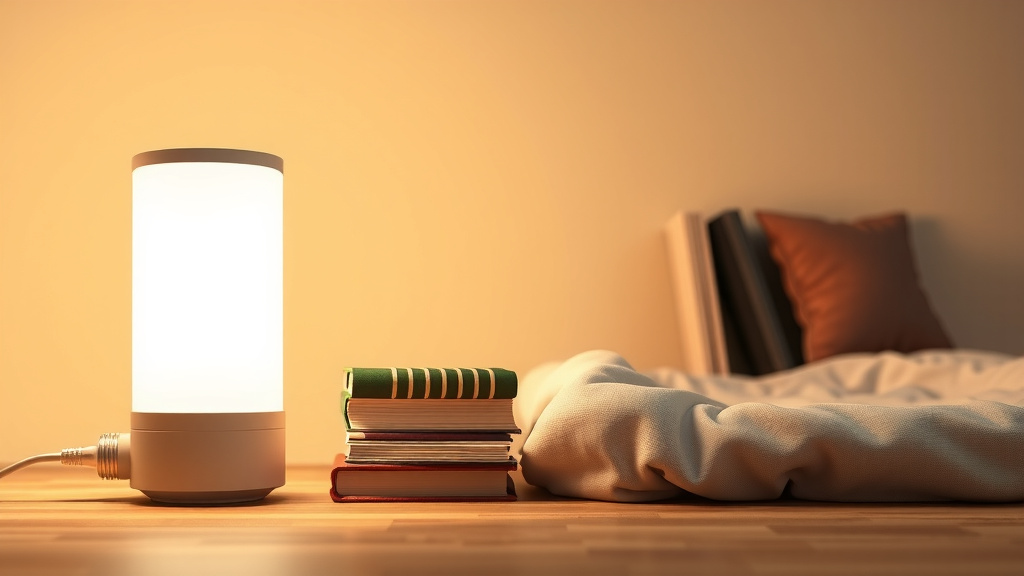
Light Therapy Lamp Guide: How To Use It Effectively
Using a light therapy lamp is pretty straightforward and can be a real mood-booster! You’ll want to position the lamp so its light shines on your face, ideally at a comfortable distance, typically about 16-24 inches away. The key is to expose your eyes to the bright light for a set period each day, often 20-30 minutes, to help regulate your sleep-wake cycle and improve your mood. Many experts suggest doing this in the morning.
This simple practice can make a noticeable difference, especially during darker months or if you experience seasonal mood changes. It’s all about mimicking natural sunlight to help your body’s internal clock. We found that consistency is really important for seeing the best results. Plus, it’s a drug-free way to potentially boost your energy and well-being.
- Sit facing the lamp.
- Keep it at arm’s length.
- Aim for 20-30 minutes daily.
- Morning use is often best.
- Don’t stare directly into the light.
Ready to get started? Let’s walk through exactly how to set up and use your light therapy lamp for the best results.
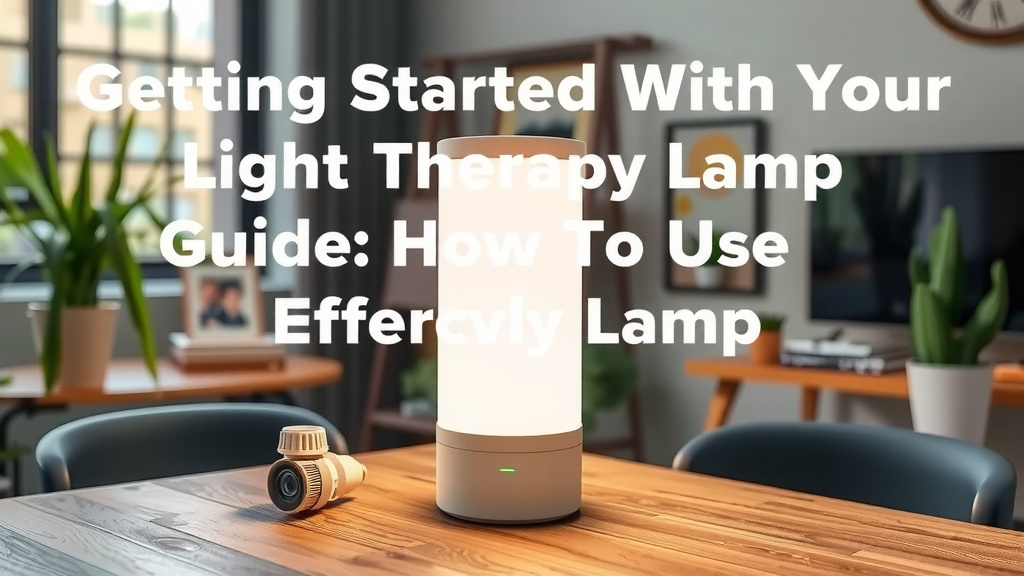
Getting Started with Your Light Therapy Lamp
So, you’ve got your light therapy lamp, and you’re wondering how to make the most of it. Great question! Using it is simpler than you might think. The main goal is to get that bright light into your eyes. This helps signal your brain that it’s time to be alert or wind down, much like natural sunlight does.
Think of it like this: your body has an internal clock. When that clock gets a little off, especially during days with less natural light, things can feel out of sync. Your light therapy lamp is essentially a tool to help reset that clock. We found that consistency is key for reaping the benefits.
Setting Up Your Lamp for Success
Placement is everything when you first start using your lamp. You don’t want to be too close, nor do you want to be so far away that the light isn’t effective. Most manufacturers suggest a distance of about 16 to 24 inches. This is roughly an arm’s length for most adults.
You’ll want to position the lamp so the light shines towards your face. Don’t worry, you’re not meant to stare directly into the bulb. It’s more about having the light in your general field of vision. Many experts suggest this is best done in the morning.
Finding the Right Spot
Where you sit matters too. Choose a place where you’ll be comfortable for 20 to 30 minutes. This could be at your kitchen table while you eat breakfast, at your desk while you work, or on a comfortable chair in your living room. The main thing is that you can sit relatively still and enjoy the light.
We found that if you’re doing other morning activities, like reading or having a cup of coffee, you can easily incorporate the lamp. Just make sure the lamp is positioned correctly. It should be shining on your face, not coming from the side or behind you.
Your Daily Light Therapy Routine
Consistency is truly the superpower of light therapy. Aim to use your lamp around the same time each day. This helps your body learn to anticipate the light and adjust its internal clock more effectively. Many people find that first thing in the morning is the **ideal time**.
This morning exposure can help you feel more awake and alert throughout the day. It can also help regulate your sleep patterns, making it easier to fall asleep at night. We found that even 20 minutes can make a difference, but some prefer 30 minutes.
How Long Should You Use It?
The duration of your light therapy session can vary. Many lamps are designed for 20-30 minute sessions. However, always check your lamp’s specific instructions. Some higher-intensity lamps might require shorter durations. It’s important not to overdo it, especially when you’re just starting out.
If you feel any discomfort, like eye strain or a headache, reduce the session time or increase the distance. Your body will tell you what feels right. We found that gradually increasing the time can be helpful if you’re sensitive to bright light.
What to Do (and Not Do) While Using Your Lamp
This is where you can multitask! While the light is on, you can engage in other relaxing or productive activities. Reading a book, scrolling through your phone (responsibly, of course!), or doing a simple craft are all good options. The key is to keep the light in your peripheral vision.
What you should avoid is staring directly at the light source. This isn’t a competition to see who can look at the sun the longest. It’s about exposing your eyes to the light’s brightness. Think of it as indirect exposure. Your eyes will thank you for it!
Common Questions About Usage
You might be wondering if it’s okay to wear sunglasses. Generally, no. Sunglasses block light, which is the opposite of what you’re trying to achieve. If the light feels too intense, it’s better to increase the distance rather than block the light.
What about if you wear glasses? Most people find that they can use their light therapy lamp with their regular prescription glasses on. The light intensity is usually strong enough to penetrate typical eyeglass lenses. However, if you have very dark or tinted lenses, you might want to test it out.
Making Light Therapy Work for You
When you start using a light therapy lamp, it’s important to set realistic expectations. It’s not a magic wand, but it can be a very effective tool for many people. The results often become more noticeable over time.
We found that combining light therapy with other healthy habits can boost its effectiveness. This includes getting enough sleep, eating well, and engaging in regular physical activity. It’s all about supporting your overall well-being.
Tips for Optimizing Your Experience
One of the most important tips we’ve gathered is about **daily consistency**. Try not to skip days, especially during times when you feel you need it most, like during winter months. Building this habit can make a real difference.
Another tip is to pay attention to your body’s signals. If you feel fatigued or notice any adverse effects, it’s okay to take a break or adjust your usage. Finding what works for your unique needs is part of the process. Many guidelines suggest listening to your body.
When to Adjust Your Routine
If you find that your morning sessions are making it hard to sleep at night, you might need to adjust the timing. Some people are more sensitive to light than others. Moving your session earlier in the morning, or shortening it, could be the solution.
We also found that some lamps have different brightness settings. If yours does, start with a lower setting and gradually increase it as you get used to the light. This is especially helpful if you’re new to light therapy or have sensitive eyes.
A Quick Checklist for Your First Week
To help you get started, here’s a simple checklist to keep you on track:
- Find a comfortable spot in your home.
- Set up your lamp at arm’s length.
- Aim for 20-30 minutes of exposure daily.
- Use it in the morning for best results.
- Don’t stare directly into the light.
- Listen to your body and adjust as needed.
Remember, the goal is to integrate this practice into your daily life in a way that feels natural and beneficial. You’re doing a great job by seeking out this information and taking steps to improve your well-being.
Conclusion
You’ve learned how to make the most of your light therapy lamp! Remember, consistency is your best tool. Aim for daily morning sessions at the right distance, around 16-24 inches, for about 20-30 minutes. Keep the light in your peripheral vision, and don’t stare directly at it. You can read, work, or relax while you use it. By integrating this simple, drug-free practice into your routine, you’re taking a positive step towards better mood and sleep patterns. Now, go ahead and set up your lamp and start feeling the difference!
Frequently Asked Questions
Can I use my light therapy lamp if I wear glasses?
Yes, most people can use their light therapy lamp with their regular prescription glasses. The light intensity is usually strong enough to work through typical lenses. If you have very dark or tinted lenses, you might want to test its effectiveness first.
What’s the best time of day to use my light therapy lamp?
Morning is generally considered the ideal time to use your light therapy lamp. This helps signal to your brain that it’s time to wake up and can help regulate your sleep-wake cycle. Many find this improves alertness throughout the day.
Do I have to stare directly at the light?
No, you absolutely should not stare directly at the light. The goal is to have the bright light in your general field of vision, not to look straight into the bulb. This indirect exposure is what helps signal your brain.
What if the light feels too bright or causes eye strain?
If you experience eye strain or discomfort, don’t push it. You can try increasing the distance between yourself and the lamp. You might also want to shorten your session time or try using a lower brightness setting if your lamp has one.
How long does it usually take to see results from a light therapy lamp?
Results can vary from person to person. Many people start to notice subtle improvements within a few days to a week of consistent use. However, it can take a few weeks for the full benefits to become apparent. Patience and daily use are key.

![10 Best Candle Warming Lamp [2026]](https://bestdesklamp.com/wp-content/uploads/2026/08/10-best-candle-warming-lamp-2026-featured-768x432.jpg)