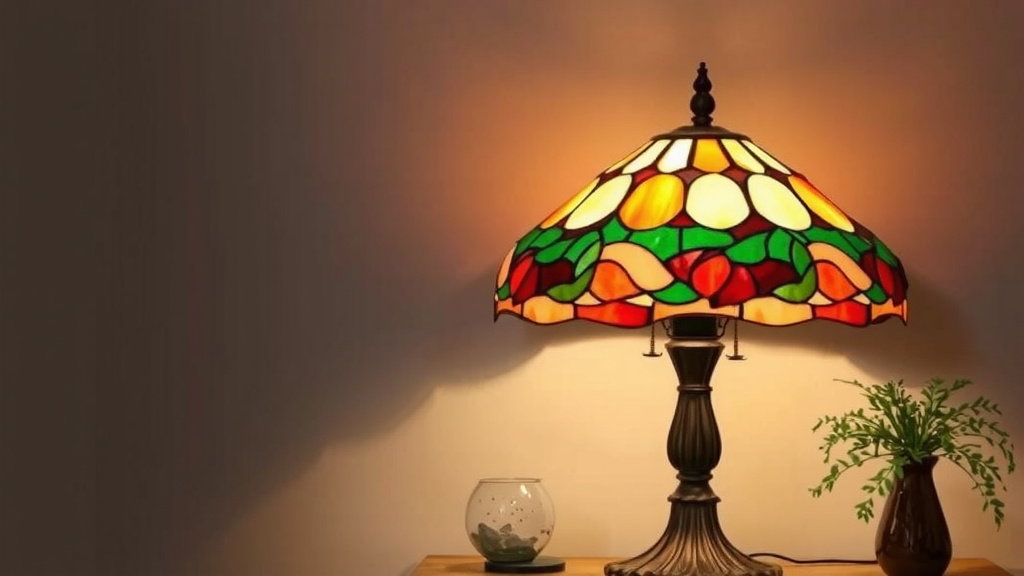
Authenticating Your Tiffany Lamp: A Genuine Guide
Figuring out if your Tiffany lamp is a genuine piece can feel like a treasure hunt! The simplest way to tell is by checking for a signed base and examining the quality of the glass. Real Tiffany lamps, crafted by skilled artisans, usually have these distinct marks of authenticity.
Authentic Tiffany lamps are more than just beautiful lights; they are works of art with a rich history. We found that knowing what to look for, from the metalwork patina to the unique color variations in the glass, can help you spot a fake. It’s all about appreciating the craftsmanship that went into each genuine creation.
- Look for the official Tiffany Studios signature.
- Inspect the glass for subtle color shifts and quality.
- Check the metal base for consistent patina.
- Compare your lamp to known authentic examples.
- Be wary of unusually low prices.
Let’s walk through the key features to help you confidently identify a real Tiffany lamp. We’ll cover the important details that set the originals apart.
So, you’ve got a lamp that looks like it might be a real Tiffany. That’s exciting! Many people wonder, “How can I tell if my Tiffany lamp is genuine?” It’s a fair question, especially with so many beautiful lamps out there. Authentic Tiffany lamps are truly special, not just for their light, but for the history and artistry they represent.
Authenticating Your Tiffany Style Lamp
Figuring out if your lamp is an original Louis Comfort Tiffany creation involves looking closely at several key details. We found that a combination of expert examination and careful observation can help you authenticate your piece. It’s less about a single magic sign and more about the overall craftsmanship.
The Signature: Your First Clue
One of the most reliable indicators of an authentic Tiffany lamp is its signature. Louis Comfort Tiffany, and later Tiffany Studios, signed their creations. These signatures can vary over time, so understanding what to look for is important. Many experts say the signature should be clearly visible and consistent with known examples.
Where to Find the Signature
The signature is most commonly found on the metal base of the lamp. Sometimes, it might be etched directly into the metal. Other times, it could be a small, raised plaque. You might need to look carefully, perhaps even using a magnifying glass. Some lamps may have the signature on the socket hardware as well. We found that if you can’t find any signature, it doesn’t automatically mean it’s fake, but it does make authentication harder.
Understanding Tiffany Signatures
Early lamps might be signed “Tiffany Glass Co.” Later ones are typically signed “Tiffany Studios” or simply “Tiffany.” The font style and placement can also be telling. For instance, many authentic Tiffany Studios signatures are impressed into the metal base. If a signature looks painted on or too perfectly stamped, it might be a red flag. Researching known signatures from different periods can be incredibly helpful.
Examining the Glass: A Masterpiece of Color
The glass is where Tiffany lamps truly shine. The quality and how the glass is used are huge indicators of authenticity. Real Tiffany glass isn’t just colored; it has depth and variation. Many sources suggest looking for subtle shifts in color and texture within each piece of glass.
The Art of Favrile Glass
Louis Comfort Tiffany patented his unique “Favrile” glass process. This glass often has an iridescent sheen, meaning it shimmers with different colors depending on the light. You might see a rainbow effect on the surface. This iridescence is not just a coating; it’s part of the glass itself. We found that authentic Favrile glass feels smooth and often has tiny imperfections that speak to its handmade nature.
Color Variations and Consistency
Genuine Tiffany lamps use glass that has beautiful, natural variations. No two pieces of glass are exactly alike. You’ll see subtle changes in hue and opacity within a single pane. For example, a green piece might have veins of lighter green or yellow. If the colors seem too uniform or flat, it might be a reproduction. Many guides point out that the way light filters through authentic Tiffany glass creates a warm, rich glow, unlike the harsher light from cheaper materials.
The Metalwork: A Foundation of Quality
The metal base and framework of a Tiffany lamp are just as important as the glass. The quality of the metal and the finish tell a story of true craftsmanship.
Patina and Finish
Authentic Tiffany lamps typically have a bronze base with a rich, dark patina. This patina is a chemical finish applied to the metal, giving it a deep, often greenish or brownish hue. It shouldn’t look painted on or shiny like cheap plating. We found that real patina has a depth and subtle variation that you can often feel as well as see. It should feel smooth and organic, not artificial.
Construction and Detail
Look at how the metal parts are joined. In genuine lamps, the metalwork is sturdy and well-finished. The soldering, where pieces of metal are joined, should be neat and precise. There shouldn’t be rough edges or obvious flaws. Many experts say the weight of the lamp is also a good indicator; original Tiffany bases are substantial due to the use of quality metals like bronze.
Comparing and Researching Your Lamp
When you’re trying to determine authenticity, comparing your lamp to known examples is a smart move. It’s like being a detective for art!
Online Resources and Museums
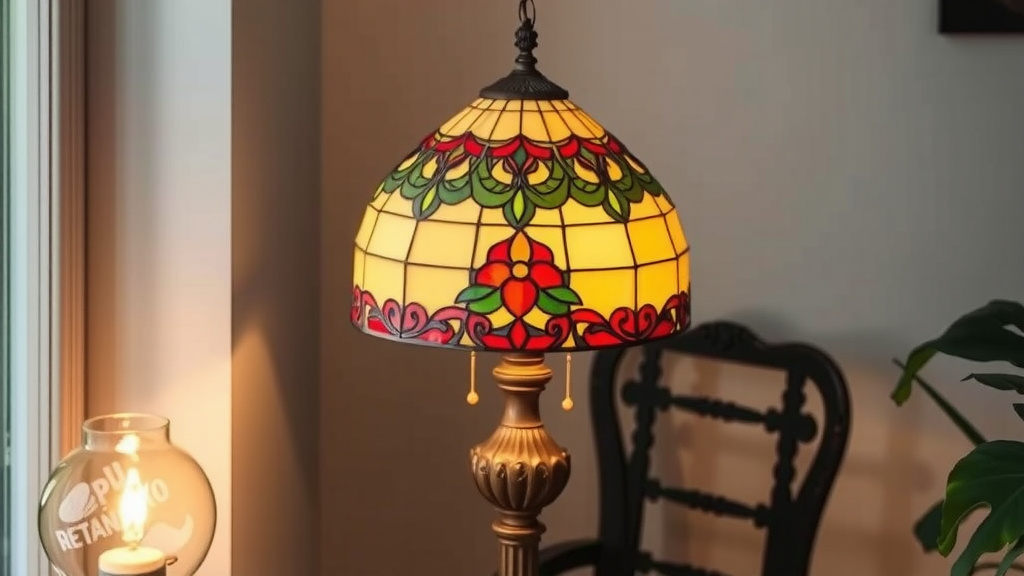
Many museums with decorative arts collections have examples of Tiffany lamps online. You can also find reputable dealers and auction houses that showcase authentic pieces. We found that studying high-quality photographs of verified Tiffany lamps can help you spot differences in design, color, and construction. Pay attention to the style of the lampshade, the base design, and the overall proportions. These elements are often consistent within authentic examples of a particular model.
The Price Tag: A Reality Check
Let’s be honest, real Tiffany lamps are valuable works of art. If you found your lamp at an incredibly low price, it’s worth being extra cautious. While there can always be a bargain, exceptionally low prices often signal a reproduction. Many sources suggest that if a deal seems too good to be true, it probably is. Authentic Tiffany lamps can fetch thousands, or even tens of thousands, of dollars depending on their rarity and condition.
Checklist: Key Authentication Points
To help you keep track, here’s a quick checklist:
- Is there a clear, authentic-looking Tiffany Studios signature?
- Does the glass exhibit subtle color variations and an iridescent sheen?
- Is the metal base heavy with a deep, consistent patina, not painted?
- Does the lampshade have a well-executed, artisan-like construction?
- Does the lamp’s design and style match known authentic Tiffany pieces?
- Was the price surprisingly low for a piece of this apparent quality?
Conclusion
Identifying an authentic Tiffany lamp is a journey of careful observation. You’ve learned to look beyond the surface for genuine artistry. Key signs include a clear signature on the base, the unique depth and shimmer of Favrile glass, and the rich, natural patina of the metalwork. Remember, these lamps are not mass-produced; each carries the mark of a skilled artisan. If you suspect you have a real Tiffany lamp, your next step should be to consult with a reputable antique dealer or appraiser who specializes in Tiffany pieces. They can offer expert verification.
Frequently Asked Questions
Are there different types of Tiffany signatures?
Yes, Tiffany signatures can vary. Early lamps might be signed “Tiffany Glass Co.,” while later pieces often say “Tiffany Studios” or just “Tiffany.” The style of the font and where it’s located on the base are important clues experts look for.
What if my lamp has no signature at all?
While a signature is a strong indicator, its absence doesn’t automatically mean a lamp is fake. Some very early or unique pieces might not have one, or it could have worn off over time. However, a missing signature makes authentication more challenging and requires closer examination of other features.
How can I tell if the glass is real Favrile glass?
Real Favrile glass has a distinct iridescent sheen, meaning it shimmers with different colors depending on the light. You should also look for subtle color shifts and textures within each glass piece, reflecting its handmade nature. It should feel smooth and integrated, not like a painted-on effect.
Is there a way to check the metalwork for authenticity?
Authentic Tiffany lamp bases are typically made of bronze and have a deep, rich patina. This finish should look natural and feel smooth, not like a painted or cheap plating. The weight of the lamp and the quality of its construction, including neat soldering, are also good indicators of authenticity.
What should I do if I think my lamp might be real but I’m unsure?
If you’ve examined your lamp and believe it could be genuine, it’s best to seek expert advice. Consult with an appraiser or a dealer who has experience with Tiffany lamps. They can provide a professional evaluation based on their knowledge of signatures, glass types, and overall craftsmanship.

![10 Best Bedside Lamp With Usb [2026]](https://bestdesklamp.com/wp-content/uploads/2026/08/10-best-bedside-lamp-with-usb-2026-featured-768x432.jpg)
![10 Best Bluetooth Lamp [2026]](https://bestdesklamp.com/wp-content/uploads/2026/08/10-best-bluetooth-lamp-2026-featured-768x432.jpg)