Is Your Salt Lamp Real? How to Tell the Difference
Figuring out if your salt lamp is the real deal can be tricky, but yes, there are several easy ways to tell. Real Himalayan salt lamps are heavier than they look and often have an uneven, natural shape, unlike perfectly molded glass or plastic imitations.
A genuine salt lamp should also feel slightly damp to the touch in humid conditions because natural salt is hygroscopic. If yours feels dry, or if the color is too uniform, you might have a fake on your hands. We’ve researched the common tells.
- Real lamps feel heavy for their size.
- They often have an uneven, natural shape.
- Authentic salt lamps may feel slightly moist in humidity.
- Beware of perfect shapes and uniform color.
Let’s walk through the simple tests you can do at home to make sure your salt lamp is 100% authentic Himalayan goodness.
“`htmlChecking Your Salt Lamp’s Authenticity
So, you’ve got a salt lamp, and you’re wondering if it’s the real Himalayan deal. It’s a fair question! Many imitations are out there, and you want to make sure you’re getting the genuine article.
Don’t worry, it’s usually quite straightforward to tell. You don’t need fancy equipment. Just a little observation and a couple of simple tests will do the trick. We’ve researched the common signs of an authentic salt lamp, and you can easily check them yourself.
The Weight and Feel Test: Does It Feel Substantial?
One of the first things you’ll notice about a real Himalayan salt lamp is its weight. These lamps are carved from solid salt rock, which is surprisingly dense. If your lamp feels very light for its size, like it’s made of hollow plastic or lightweight glass, that’s a big red flag.
Comparing Real vs. Fake Weight
Think about it: a block of salt rock is naturally heavy. A roughly fist-sized lamp might weigh a few pounds. If you pick up a lamp that looks similar but feels like it could be made of styrofoam, it’s probably not authentic.
We found that comparing its weight to common objects of similar size can help. For instance, a real salt lamp will likely be heavier than a similarly sized ceramic vase or a plastic container filled with water.
Surface Texture: A Natural Touch
Real salt lamps have a unique surface texture. Because they are carved from natural rock, they aren’t perfectly smooth. You might feel slight variations, little bumps, or rough patches. This natural, uneven texture is a good sign.
Imitation lamps, on the other hand, are often mass-produced. They might have a perfectly smooth, uniform surface. This is because they’re usually made from molded materials like glass or plastic, which can be shaped flawlessly. A real salt lamp will never be perfectly symmetrical or flawlessly smooth all over.
The Moisture Test: Does It Sweat in Humidity?
Himalayan salt is naturally hygroscopic. This means it attracts and holds moisture from the air. In humid environments, your authentic salt lamp might feel slightly damp or even show tiny water droplets on its surface. This is completely normal and a sign that your lamp is made of real salt.
Understanding Hygroscopy
Think of salt like a sponge for water vapor. When the air around your lamp is damp, the salt pulls that moisture in. This is especially noticeable if you live in a humid climate or during a particularly muggy day.
Many sources confirm that this characteristic is key to identifying real salt lamps (NCBI). If your lamp always feels bone dry, even when the air is thick with humidity, it’s less likely to be genuine.
What If It’s Leaking Water?
Sometimes, if the humidity is very high, a real salt lamp might appear to be “leaking” water. This is just the absorbed moisture being released. If this happens, don’t panic!
Simply place a small coaster or a cloth underneath the lamp to catch any drips. You can also turn the lamp on for a few hours. The heat from the bulb will help evaporate the absorbed moisture. If you see excessive water or a powdery residue, it might indicate a different type of salt or mineral, but it’s still likely a natural product.
Color and Glow: Is It Too Perfect?
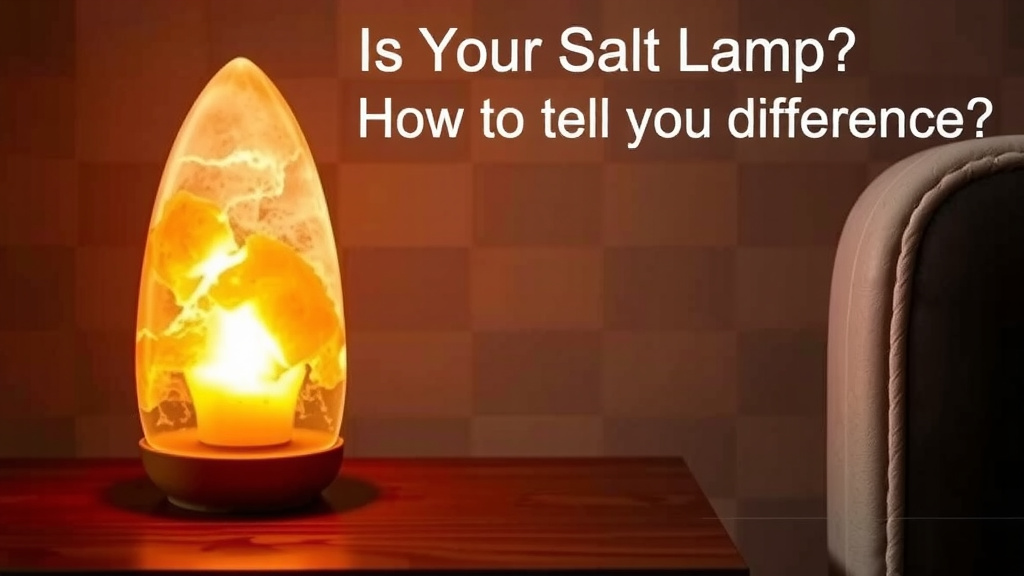
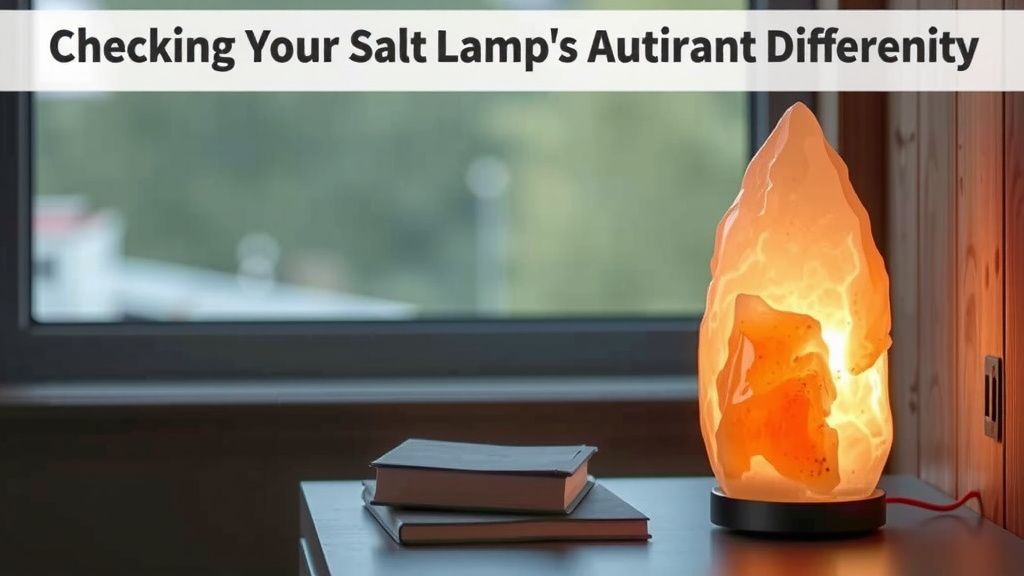
Authentic Himalayan salt lamps come in a range of warm colors, from pale pink to deep orange or reddish hues. The color is due to the trace minerals within the salt, primarily iron oxide. This gives the lamp a beautiful, natural glow.
Natural Color Variations
Real salt lamps rarely have a perfectly uniform color. You’ll often see variations, darker patches, or veins running through the salt. These natural patterns are part of its charm and a strong indicator of authenticity.
We’ve observed that lamps with a single, solid, almost artificial-looking color can be suspect. If your lamp’s color looks like it was painted on or dyed, it’s probably not real.
The Glow of a Real Lamp
When the light is on, a genuine salt lamp emits a warm, soft, inviting glow. It shouldn’t be blindingly bright or have a harsh, unnatural hue. The light should penetrate the salt evenly, highlighting its natural textures and variations.
If the light seems to be struggling to get through, or if it casts an odd color, it might suggest the material isn’t pure salt or that the lamp is poorly made. The overall luminescence should feel natural and soothing.
The “Chalk Test”: A Simple Scratch Check
This is a rather straightforward test, but it requires a bit of caution. Real Himalayan salt is relatively soft, akin to chalk. You can gently scratch its surface with a fingernail or a coin. Experts suggest that if you can easily leave a mark or a powdery residue, it’s a good sign of authentic salt (Cleveland Clinic).
How to Perform the Scratch Test Safely
Choose an inconspicuous spot on the lamp, perhaps the base or a small, rough patch. Use your fingernail or the edge of a coin to apply gentle pressure and try to scrape away a tiny bit of the surface. If you get a fine, powdery salt-like residue, your lamp is likely real.
Be careful not to apply too much pressure, as you don’t want to damage your lamp. If you cannot make any mark at all, or if it feels like you’re scratching plastic or glass, then it’s probably not a genuine salt lamp.
The “Dissolving” Test: A Longer-Term Check
This test is more about observing the lamp over time, especially if you’re still unsure after the initial checks. Real salt will dissolve if it comes into prolonged contact with water. If you were to accidentally spill water on your lamp and leave it there, a genuine salt lamp would begin to break down.
Observing Natural Salt’s Properties
This is why it’s important to keep your salt lamp away from excessive moisture and to dry it off if it gets wet. It’s a characteristic of pure salt. If your lamp could sit in a puddle indefinitely without showing any signs of dissolving, it’s likely not made from natural salt rock.
This property is one of the most definitive, though it requires patience to observe. It confirms the natural mineral composition of the lamp.
Checklist for Authenticity
Here’s a quick rundown to help you assess your salt lamp:
- Does it feel heavy for its size, heavier than plastic or hollow items?
- Is the shape natural and uneven, rather than perfectly molded?
- Does the surface feel slightly rough or bumpy in places?
- In humid air, does it feel slightly moist or show condensation?
- Is the color warm and varied, with natural streaks or patches?
- Does a gentle scratch with a coin leave a powdery residue?
Conclusion
You’ve learned how to spot a genuine Himalayan salt lamp! Remember to trust your senses: a real lamp feels substantial, has a natural texture, and might feel slightly damp in humid air. Its color should be warm and varied, not perfectly uniform. These simple tests will help you ensure you’re enjoying authentic salt lamp benefits.
By checking the weight, feel, color, and observing its behavior in humidity, you can confidently identify a real salt lamp. Make sure your next purchase is the real deal for that cozy, natural glow you’re looking for!
Frequently Asked Questions
Can I clean my salt lamp?
Yes, you can clean your salt lamp gently. Use a dry cloth or a very slightly damp cloth to wipe away dust. Avoid soaking it, as real salt will dissolve in water. If it feels too moist, simply turn the lamp on for a few hours to help it dry out.
Why does my salt lamp “sweat”?
Your salt lamp “sweats” because natural salt is hygroscopic, meaning it attracts moisture from the air. In humid environments, it will absorb water vapor. This is a normal sign of an authentic lamp and not a cause for concern.
What if my salt lamp has dark spots or veins?
Dark spots or veins are actually a good sign! They are natural mineral deposits within the salt, like iron oxide, which contribute to the lamp’s color. A perfectly uniform color is more likely to be from an imitation.
How long should a real salt lamp last?
A real salt lamp can last for many years with proper care. Avoid exposing it to excessive moisture or direct water contact, and handle it gently. As long as the salt rock remains intact and the electrical components are functional, it should continue to provide its warm glow.
Are there any negative effects of fake salt lamps?
Fake salt lamps, often made from plastic or colored glass, won’t offer the natural benefits attributed to real Himalayan salt, such as potentially improving air quality by attracting impurities. They also might not have the same soothing, warm glow, and could pose electrical risks if poorly manufactured.