How Himalayan Salt Lamps Work: Benefits Explained
Yes, Himalayan salt lamps can help create a calming atmosphere and potentially improve air quality through a process called ion emission. When heated, these lamps are believed to release negative ions, which may help neutralize positively charged ions from electronic devices. This could lead to a more balanced and serene environment in your home.
Beyond the idea of ion emission, many people find the warm, soft glow of a Himalayan salt lamp to be incredibly soothing. The gentle light can create a cozy ambiance, perfect for unwinding after a long day. We found that the visual appeal alone contributes to a sense of well-being for many users.
- Himalayan salt lamps may release negative ions.
- These ions could help neutralize positive ions from electronics.
- The warm glow creates a relaxing and cozy atmosphere.
- Many users report a sense of calm and well-being.
Let’s dive into the science and common experiences behind how these beautiful lamps might work their magic. We’ll break down what researchers and users are saying about Himalayan salt lamps.
Understanding How Himalayan Salt Lamps May Work
You might be wondering about the actual mechanics behind Himalayan salt lamps. Do they really do what people say they do? Let’s break down the most discussed theories. We found that the core idea often revolves around negative ions. These lamps are thought to emit them, which could have an effect on your environment.
The Theory of Ion Emission
The main claim is that Himalayan salt lamps, when lit and warmed, release negative ions into the air. Think of these ions like tiny, invisible particles. Many electronic devices in your home, like computers and TVs, are said to emit positive ions. These positive ions are sometimes linked to feelings of fatigue or unease.
The theory suggests that the negative ions from the salt lamp can attract and neutralize these positive ions. It’s like a gentle balancing act for the air around you. We found that this concept is central to many discussions about salt lamps and their potential benefits. It’s a simple, yet interesting, idea.
How the Ion Process Might Occur
So, how does the lamp actually produce these ions? The process is thought to happen when the salt crystal is heated by the light bulb inside. As the salt warms up, a tiny amount of moisture from the air is attracted to its surface. When this moisture evaporates, it’s believed to carry negative ions with it into the room.
This is why it’s important for the lamp to be on for a while to potentially see any effect. A lamp that’s just plugged in might not be doing much yet. We found that consistent use seems to be a common recommendation among users who believe in the ion emission theory.
What About the Glow?
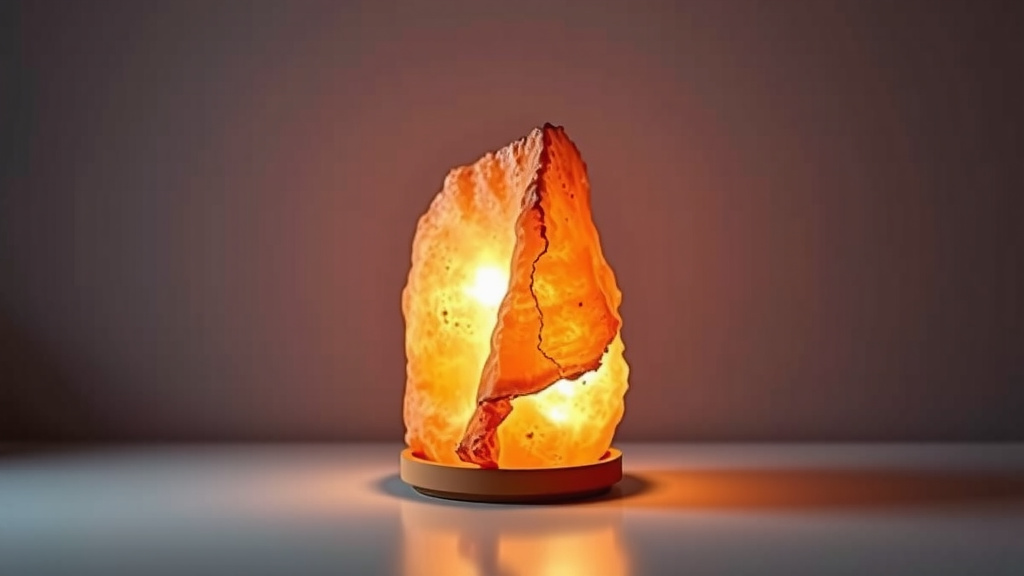
Beyond the ion theory, the visual aspect of these lamps is undeniable. The warm, amber glow they emit is often described as incredibly soothing. It’s a soft light, very different from harsh overhead lighting. This gentle illumination can create a cozy and relaxing atmosphere in any room.
Many people find this calming ambiance helpful for winding down after a busy day. It can make your space feel more like a sanctuary. We found that users often place them in bedrooms or living areas specifically for this peaceful effect. It’s a beautiful way to enhance the mood of your home.
Potential Benefits and User Experiences
While the science of ion emission is still debated, many people report positive experiences with Himalayan salt lamps. The benefits often described are more about the atmosphere and well-being they contribute to. Let’s look at what users and some experts suggest.
Creating a Calming Environment
One of the most frequently mentioned benefits is how these lamps help create a peaceful atmosphere. The soft, warm light is naturally calming. It can be a wonderful addition to your evening routine, helping you to relax and de-stress. You might find yourself feeling more at ease simply by being in the room with its gentle glow.
This is especially helpful if you use electronics a lot. The gentle light can be a nice counterpoint to the bright screens we often stare at. We found that many users appreciate this aspect as a way to disconnect and find a moment of quiet. It’s like a visual cue to slow down and breathe.
Aesthetic Appeal and Mood Enhancement
Let’s not forget how lovely these lamps look! Each one is unique, carved from natural salt crystals. Their earthy tones and organic shapes add a touch of natural beauty to your decor. This aesthetic appeal can contribute to a general sense of comfort and happiness in your living space.
When your surroundings look and feel good, it can positively impact your mood. The lamps act as decorative pieces that also offer a potentially calming effect. We found that the visual pleasure they provide is a significant factor in why people choose them.
The Air Quality Discussion
The idea that salt lamps can purify the air is often tied to the ion emission theory. If the lamps do release negative ions, the thought is they might help clear the air of pollutants. Some sources suggest that these ions can bind to airborne particles like dust and allergens, causing them to fall to the ground.
However, it’s important to be realistic here. The amount of ions released by a single lamp is likely very small. Many air purification experts point out that for a significant impact on air quality, you would need a much more powerful system (National Institute of Environmental Health Sciences). Think of it as a small, potential bonus rather than a primary air purifier.
User-Reported Benefits: A Closer Look
We looked at what people are saying about their experiences. Many users report feeling a sense of calmness and relaxation when using the lamps. Some even mention better sleep or reduced feelings of stress. These are subjective experiences, but they are consistent across many testimonials.
It’s possible that the placebo effect plays a role here, where believing something will help actually makes you feel better. Regardless, if a Himalayan salt lamp contributes to your sense of well-being, that’s a positive outcome. We found that the intention you bring to using the lamp can also be a factor.
How to Get the Most Out of Your Salt Lamp
To best enjoy your Himalayan salt lamp, consider how you use it. Placement and care can make a difference. Here are some tips to help you maximize its potential benefits, whether you’re focused on the glow or the ion theory.
Strategic Placement
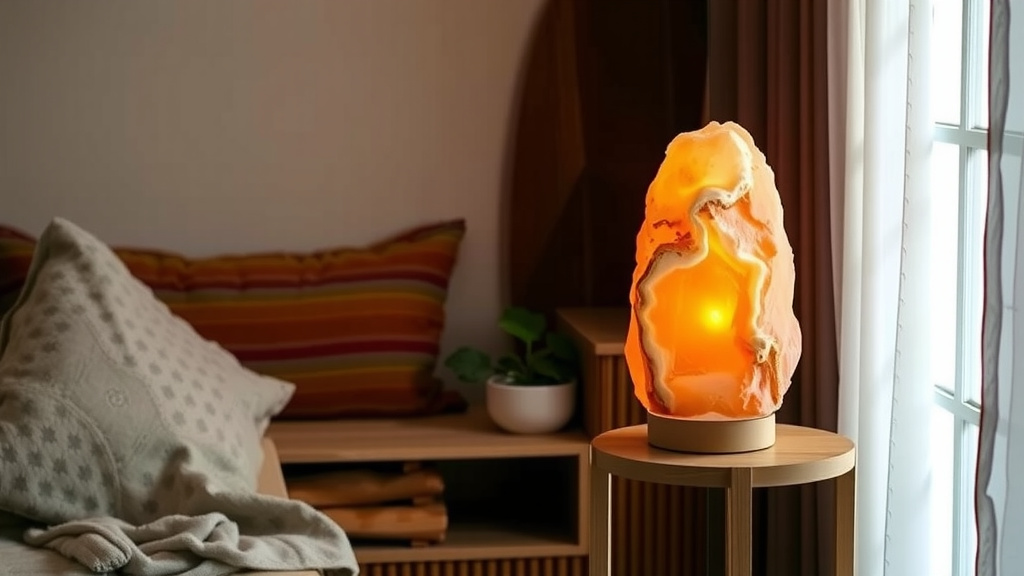
Where you put your lamp can influence its effect. Many people like to place them in spaces where they spend a lot of time relaxing. Think about your bedroom, living room, or even your home office. Placing it near your workspace might offer a gentle contrast to screen light.
If you’re interested in the ion theory, placing the lamp near electronic devices might be your preference. Some users report placing them near computers or Wi-Fi routers. The idea is to have the lamp’s potential negative ions working in the same area as the positive ions.
Lamp Care and Maintenance
Himalayan salt is hygroscopic, meaning it attracts moisture from the air. In humid environments, your lamp might appear to “sweat” or have condensation on its surface. This is normal! To prevent this, make sure the lamp is on for several hours a day, especially in humid conditions.
If you notice excess moisture, wipe the lamp dry with a clean cloth. If you’re going to store the lamp for an extended period, make sure it’s completely dry and perhaps wrap it in plastic to keep moisture out. We found that keeping it dry is key to its longevity.
Choosing the Right Size and Bulb
The size of the lamp can affect its presence in a room. Larger lamps will naturally cast a more substantial glow. For the ion emission theory, some believe a larger surface area might potentially release more ions, though research is limited.
The type of bulb used is also important. Incandescent bulbs generate heat, which is thought to be necessary for the ion emission process. We found that most salt lamps come with a suitable bulb, but it’s good to check.
A Quick Checklist for Salt Lamp Users
- Place your lamp in a frequently used relaxation area.
- Consider proximity to electronics if ion theory is a focus.
- Keep the lamp on for several hours daily, especially in humidity.
- Wipe dry with a cloth if condensation appears.
- Ensure you’re using a heat-generating bulb.
- Enjoy the beautiful, warm glow it provides.
Conclusion
You’ve learned that Himalayan salt lamps offer a unique blend of aesthetic appeal and potential ambiance-enhancing qualities. While the scientific evidence for significant air purification or ion balancing is still developing, the warm, calming glow they cast is a definite mood booster. Many users find them to be a wonderful tool for relaxation and creating a cozy sanctuary in their homes.
Ultimately, if you’re looking for a beautiful decorative item that also promotes a sense of well-being, a Himalayan salt lamp is a lovely choice. Consider adding one to your space and enjoy the soothing atmosphere it can bring to your daily life.
Frequently Asked Questions
Do Himalayan salt lamps really purify the air?
While salt lamps are often advertised as air purifiers, research suggests the effect is minimal. The theory is that they attract pollutants, but the actual amount of air purified by a single lamp is likely small. For significant air purification, a dedicated air purifier would be more effective.
How many hours should a Himalayan salt lamp be on?
To potentially benefit from the ion emission theory and to prevent moisture buildup, it’s recommended to keep your salt lamp on for several hours a day. Consistent use, especially in humid environments, helps the lamp function as intended and wards off condensation.
Can I leave my Himalayan salt lamp on all night?
Yes, you can generally leave your Himalayan salt lamp on all night. They are designed to be lit for extended periods. The low-wattage bulbs are typically safe for overnight use, and the warm glow can contribute to a relaxing bedtime environment.
What does it mean if my salt lamp is sweating?
If your Himalayan salt lamp appears to be “sweating” or shows condensation, it’s a sign of hygroscopy. Salt naturally attracts moisture from the air, especially in humid conditions. This is normal and can be managed by keeping the lamp on more frequently to evaporate the moisture.
Are the negative ions from salt lamps scientifically proven?
The theory that Himalayan salt lamps emit a significant amount of negative ions that actively neutralize positive ions is not widely supported by conclusive scientific evidence. While some studies suggest a possibility, more research is needed to confirm these effects in a typical home environment.
![10 Best Computer Lamp [2026]](https://bestdesklamp.com/wp-content/uploads/2026/09/10-best-computer-lamp-2026-featured-768x432.jpg)