
How to Tell a Tiffany Lamp: Easy Guide
Telling a real Tiffany lamp from a fake one involves checking for a few key things. You’ll want to look closely at the shade’s glass, the signature, and the metalwork. Many authentic Tiffany lamps have glass that is iridescent and irregular, not perfectly uniform. The signature is often subtle and etched into the metal base. Understanding these details can help you spot a genuine piece.
Collectors and enthusiasts often spend years learning the nuances. We found that the craftsmanship is a major giveaway. Authentic lamps feature intricate copper foil work holding the glass pieces together. The base will also show the quality of casting and finishing. It’s not just about the colors; it’s about the entire construction.
- Check the glass for iridescence and slight imperfections.
- Look for the Tiffany signature etched on the metal base.
- Examine the copper foil work holding the glass pieces.
- Inspect the quality and finish of the metal base.
- Authentic pieces show superb craftsmanship throughout.
So, are you ready to become a Tiffany lamp detective? Let’s walk through the signs to look for, step by step, so you can confidently identify a true Tiffany masterpiece.
So, you’ve spotted a lamp that might just be a genuine Louis Comfort Tiffany original. That’s exciting! But how do you go from “it might be” to “it is”? It’s all about looking closer and knowing what to look for. We’ve put together a guide to help you spot those tell-tale signs of authenticity.
Identifying Authentic Tiffany Lamps: A Detailed Look
Distinguishing a real Tiffany lamp from a reproduction takes a keen eye for detail. It’s a journey into craftsmanship and history.
The Glass Shade: A Spectrum of Light
The glass itself is where much of the magic happens. Tiffany lamps are famous for their unique glass treatments. You’re not just looking for pretty colors here.
Iridescence and Texture
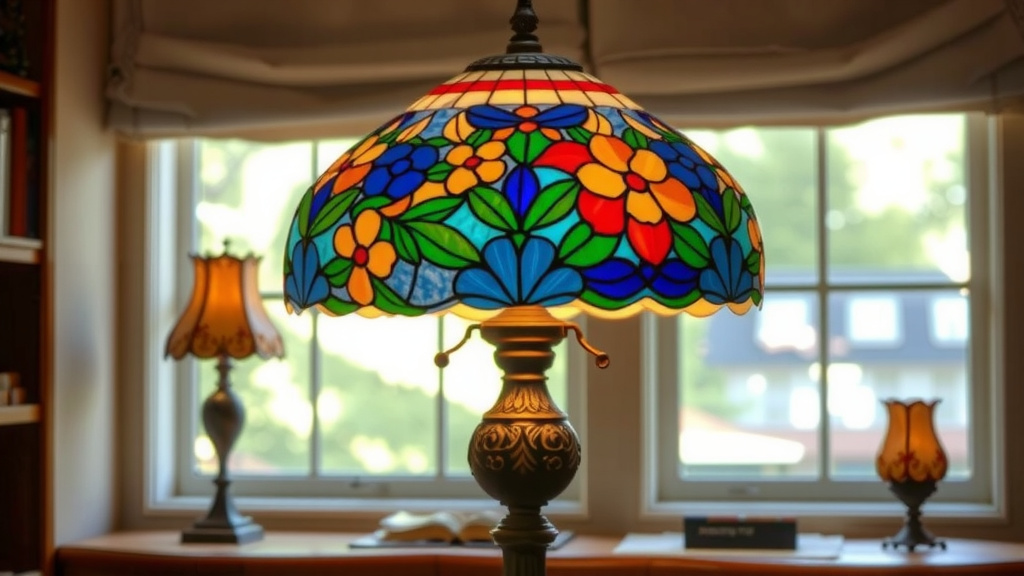
Authentic Tiffany glass often displays a beautiful iridescence. This means it shimmers with different colors when the light hits it. Think of a soap bubble or an oil slick. The glass isn’t perfectly smooth, either. You’ll find slight variations in texture and thickness. This irregularity is a sign of hand-blown glass, not mass-produced uniformity. Many fakes use smooth, flat glass that just doesn’t have that depth.
Color Variations and Opalescence
Tiffany lamps are known for their opalescent glass. This means the glass is milky or cloudy, allowing light to diffuse softly. Look for subtle shifts in color, where one hue blends into another. The glass pieces themselves should appear to have depth, not just a thin colored layer. Researchers have found that the company experimented with hundreds of glass formulas to achieve these effects (The Metropolitan Museum of Art).
The Signature: A Subtle Mark of Genius
The signature is a key identifier, but it’s not always obvious. Tiffany wasn’t one for flashy branding on his creations.
Where to Find It
You’ll most commonly find the signature etched onto the metalwork of the lamp. This could be on the base, the socket, or sometimes on a metal tag. It’s often small and discreet. Don’t expect a large, stamped logo. Many genuine lamps will have a signature that reads “Tiffany Studios” or “L.C.T.”.
What to Look For in the Etching
The etching should look deliberate and precise. It won’t be sloppy or look like it was added later. Some experts suggest that the font and style of the signature can also be a clue. If you’re unsure, it’s always a good idea to compare it with known authentic signatures. We found that comparing images online from reputable sources is a great starting point.
The Metalwork: The Lamp’s Skeleton
The metal components of a Tiffany lamp are just as important as the glass. This is where you see the structural integrity and the artisan’s touch.
Craftsmanship in the Base and Fixture
Authentic Tiffany lamps feature high-quality metal bases. These are often made from bronze or brass. The casting should be clean, with fine detail. Look for a rich patina, which is a natural aging of the metal. It shouldn’t look cheap, plasticky, or poorly finished. Many reproductions use cheaper metals that feel lighter and have a duller finish. The weight of the lamp can be a good indicator.
Copper Foil Technique
This is a hallmark of Tiffany lamps. Each piece of glass is wrapped in a thin strip of copper foil. This foil is then soldered together to hold the glass pieces in place. You should see clean solder lines that follow the pattern of the glass. The soldering should be smooth and consistent, not lumpy or uneven. Many experts say this meticulous technique is incredibly time-consuming and difficult to replicate perfectly. This copper foil wrapping is a critical detail for authenticity.
The Overall Impression: Quality Speaks Volumes
Beyond individual components, the lamp as a whole tells a story. It’s about the harmony of all the parts.
Weight and Balance
Genuine Tiffany lamps are substantial. They have a good weight to them, especially the bases. This comes from the quality of the metal used. They should feel balanced and sturdy when you handle them. Fakes often feel lighter and a bit flimsy. This difference in weight is something you can often feel immediately.
The Light Diffusion
When the lamp is lit, how does the light behave? Authentic Tiffany lamps cast a warm, inviting glow. The opalescent and iridescent glass work together to diffuse light beautifully. You shouldn’t see harsh shadows or bright spots where the light isn’t distributed evenly. The shade should illuminate as a cohesive piece of art. We found that the overall lighting effect is often described as magical.
What to Watch Out For: Red Flags
Even with a beautiful lamp, a few things can signal it’s not the real deal. Keep these in mind:
- Price too good to be true: Authentic Tiffany lamps are expensive collector’s items. If the price seems like a bargain, it probably is.
- Mass-produced look: Glass pieces that are all identical in shape or color.
- Glue instead of solder: Some fakes use glue to hold glass pieces together, which is a clear sign of a reproduction.
- Modern electrical parts: While lamps can be rewired, very modern-looking sockets or cords might indicate a newer piece.
Quick Checklist for Identifying a Tiffany Lamp
Before you make a decision, run through this quick mental checklist:
- Does the glass have a unique shimmer or iridescence?
- Is there a subtle, etched signature, likely “Tiffany Studios”?
- Are the metal parts heavy, well-finished, and detailed?
- Do you see fine copper foil work and clean solder lines around the glass?
- Does the lamp feel substantial and balanced?
- Does the overall piece exude quality craftsmanship?
By paying attention to these specific details, you’ll be well on your way to spotting a genuine Tiffany lamp.
Conclusion
You’ve learned how to become a discerning eye for authentic Tiffany lamps. Remember, it’s the iridescent glass, the subtle etched signature, and the quality of the metalwork that tell the true story. Don’t forget to feel the lamp’s weight and admire the meticulous copper foil technique. These details combine to reveal the artistry of a genuine piece. Your next step? Visit a reputable dealer or antique show with your checklist in hand. Trust your instincts and the evidence you’ve gathered to find your own piece of history.
Frequently Asked Questions
What if a lamp looks similar but doesn’t have a signature?
While many authentic Tiffany lamps do have signatures, some older pieces might have faded or were missed during production. In such cases, you’d need to rely more heavily on the quality of the glass, the copper foil technique, and the overall craftsmanship. It’s a stronger indicator if other elements align perfectly.
How can I tell if the glass is truly iridescent or just coated?
Authentic iridescence is part of the glass itself, creating a deep shimmer that changes with light and angle. Coated glass might look shiny but will often appear flat or have a uniform, less dynamic color shift. Gently cleaning authentic iridescent glass won’t remove the shimmer.
Are there any modern reproductions that are very good?
Yes, some modern reproductions are made with higher quality materials and techniques than older fakes. However, they still typically won’t match the specific glass formulas, hand-applied copper foil precision, and the weight and patina of a true Louis Comfort Tiffany original.
What’s the biggest red flag to watch out for?
A major red flag is the use of glue to hold glass pieces together instead of the copper foil and solder method. Also, a price that seems too good to be true for a lamp described as authentic is often a sign that it’s a reproduction.
How much does a real Tiffany lamp typically cost?
Authentic Tiffany lamps are highly collectible and can range in price from several thousand dollars to well over a million for exceptionally rare pieces. The price depends heavily on the artist, rarity, condition, and complexity of the design.

![10 Way Lamp Socket [2026]](https://bestdesklamp.com/wp-content/uploads/2026/09/10-way-lamp-socket-2026-featured-768x432.jpg)


![10 Best Battery Pack For Lamps With No Outlet [2026]](https://bestdesklamp.com/wp-content/uploads/2026/08/10-best-battery-pack-for-lamps-with-no-outlet-2026-featured-768x432.jpg)