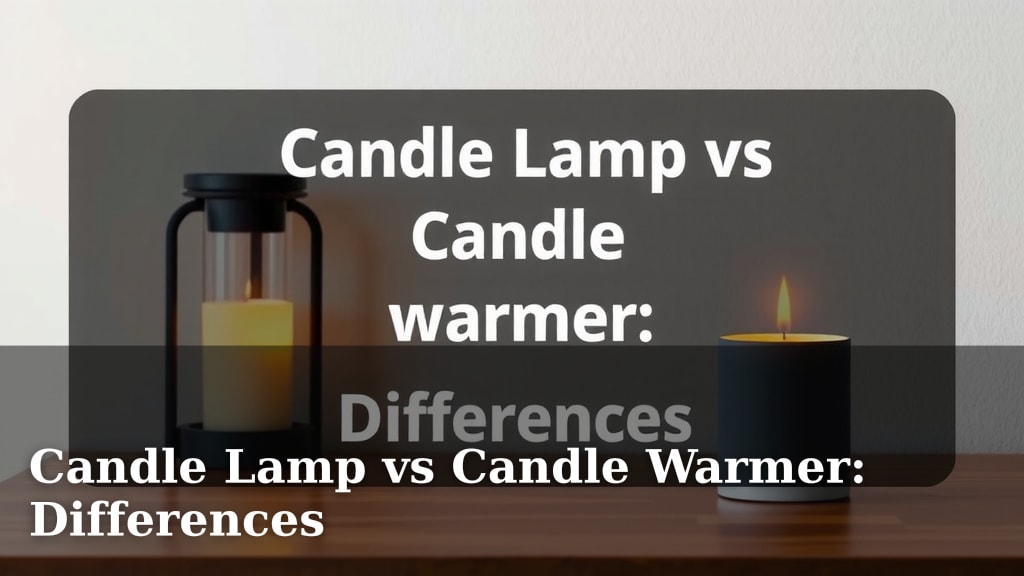
Candle Lamp vs Candle Warmer: Differences
When you want to enjoy the scent of a scented candle, the main difference between a candle lamp and a candle warmer comes down to how they melt the wax: a candle lamp uses a hot bulb to melt the wax from the top, while a candle warmer uses heat from below to melt the wax pool.
Both methods are great ways to enjoy your favorite candle fragrances without an open flame. You might be wondering which one is better for your home. We found that each has its own pros and cons depending on your preference and safety needs.
- Candle lamps melt wax with a hot bulb from the top.
- Candle warmers melt wax with heat from the bottom.
- Lamps offer a flame-free option with a brighter light.
- Warmers are often more compact and provide a gentler glow.
- Both are safer than open flames and preserve candle scent longer.
Let’s break down the key differences so you can pick the perfect way to warm your favorite scents.
You’ve decided to ditch the open flame for a safer, scent-filled experience. That’s smart! Now, you’re probably looking at two popular options: the candle lamp and the candle warmer. They both get the job done, but they do it in very different ways. Let’s look at how these devices work and which might be the best fit for your cozy corner.
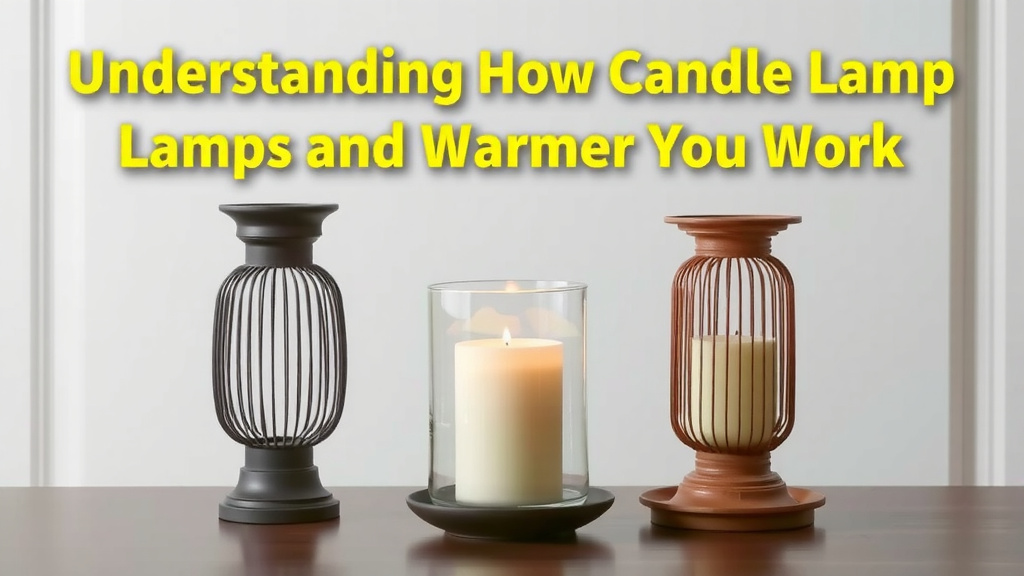
Understanding How Candle Lamps and Warmers Work
The core function is the same: melt candle wax to release fragrance. But the method is where they truly diverge. Think of it like a hot air balloon versus a steam engine – both provide lift or power, but the mechanics are worlds apart.
Candle Lamps: The Heat-from-Above Approach
A candle lamp, often called a top-down warmer, uses a light bulb to generate heat. This bulb sits above your candle. The heat from the bulb slowly melts the wax. It’s a bit like a miniature sun warming up your candle. We found this method is quite effective at warming the wax evenly from the surface.
The Bulb’s Role
The type of bulb matters. Most lamps use halogen or LED bulbs. These bulbs are designed to emit enough heat without getting so hot they scorch the wax. Research suggests that consistent, gentle heat is key to preserving the candle’s scent profile (National Candle Association).
Visual Appeal
Candle lamps often look like stylish lamps themselves. They come in various designs, adding to your home’s decor. Many offer a bright, ambient light. This can be a nice bonus, creating a warm atmosphere even before the scent fills the air. Some even have adjustable brightness settings.
Candle Warmers: The Heat-from-Below Method
A candle warmer, sometimes called a bottom-up warmer, uses a heating element at its base. This element heats the plate the candle sits on. The heat then travels up through the candle’s container. It melts the wax from the bottom upwards, creating a melt pool. This is a steady and consistent way to warm your wax.
The Heating Element
These warmers typically use a simple electric heating element. They are designed to maintain a specific temperature range. This temperature is hot enough to melt wax but not so hot that it degrades the fragrance oils. Many manufacturers recommend keeping the melt pool below a certain temperature for best results.
Compact and Subtle
Candle warmers are often smaller and more discreet than lamps. They don’t usually have a bright light feature. Instead, they provide a soft, gentle glow from the candle itself. This can be perfect for bedrooms or areas where you want a calming ambiance without extra light.
Key Differences to Consider
Now that you know how they operate, let’s get into the nitty-gritty. What does this mean for you and your candle experience? We’ve broken down the main points to help you decide.
Melting Process and Scent Preservation
Candle lamps melt the wax from the top down. This can lead to a faster scent release initially. However, some experts suggest that direct, high heat from a bulb might degrade fragrance oils over extended periods (Candle Science, a fragrance industry resource). We found that both methods are generally good for scent preservation compared to burning.
Candle warmers create a gentler, more consistent melt pool from the bottom. This method is often praised for preserving the full spectrum of scent notes. Many candle enthusiasts prefer this for complex or delicate fragrances. The gradual melt pool ensures the scent lasts longer without becoming overpowering. Research indicates that consistent low-level heat is ideal for releasing fragrance compounds (Journal of Sensory Studies).
Safety Features and Concerns
Both methods eliminate the open flame associated with traditional candles. This is a huge plus for safety. You don’t have to worry about flammable materials nearby or accidental tipping. The U.S. Fire Administration consistently highlights open flames as a leading cause of home fires.
Candle Lamps: Potential Overheating?
While safer than burning, some candle lamps can get quite warm. It’s important to ensure the bulb isn’t too close to the wax surface. Overheating can potentially damage the wax or wick. Always follow the manufacturer’s guidelines for bulb wattage and distance. We found that placing the candle at the correct height is crucial.
Candle Warmers: Stable Heat Source
Candle warmers generally offer a very stable and controlled heat source. The risk of overheating is lower because the heat is distributed more evenly from below. However, like any electrical appliance, you should always ensure they are placed on a stable, heat-resistant surface. Never leave them unattended for excessively long periods, just to be safe.
Aesthetics and Home Decor
Your home’s style is important! Both devices can be stylish additions to your decor, but they offer different vibes.
Lamps: Statement Pieces
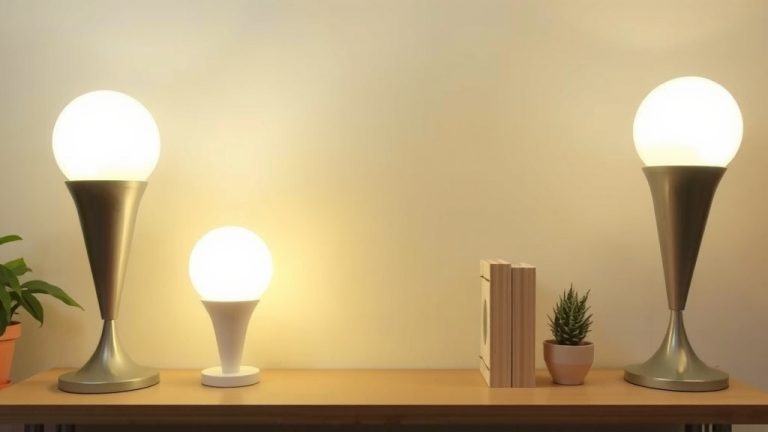
Candle lamps often act as decorative pieces themselves. They can be quite striking with their metallic finishes, elegant bases, and stylish shades. The bright light they emit can also contribute to your room’s ambiance. If you like a bit of sparkle and a brighter glow, a lamp might be for you.
Warmers: Understated Elegance
Candle warmers tend to be more minimalist. They focus on functionality while still looking neat. Their compact size makes them easy to place on shelves, nightstands, or desks. If you prefer a subtle heat source that doesn’t dominate your visual space, a warmer could be a better choice.
Making Your Choice: A Quick Comparison
To help you visualize the differences, here’s a quick breakdown:
| Feature | Candle Lamp | Candle Warmer |
|---|---|---|
| Melting Method | Heat from a bulb above | Heat from an element below |
| Scent Release | Can be faster, potentially more intense | Gentle, consistent, often longer-lasting |
| Light Output | Often bright, ambient light | Minimal light, gentle glow |
| Size & Design | Can be larger, more decorative | Typically compact, minimalist |
| Safety | Flame-free; monitor bulb heat | Flame-free; stable heat source |
Which One is Right for You?
Ultimately, the best choice depends on your personal preferences. Do you want a bright light source that also warms your candle? A candle lamp might be perfect. Are you looking for a discreet way to get a consistent scent throw? A candle warmer could be your go-to.
Consider Your Space
Think about where you’ll place your warmer or lamp. If it’s a small bedside table, a compact warmer might fit better. If it’s a living room centerpiece, a decorative lamp could enhance your decor. We found that both can work in most spaces, but size and style are key considerations.
Think About Ambiance
What kind of mood are you trying to create? A lamp’s bright light can make a room feel more lively and inviting. A warmer’s subtle glow creates a more tranquil and relaxing atmosphere. Many people choose based on the feeling they want their room to evoke.
Here’s a quick checklist to guide your decision:
- Do you prefer top-down or bottom-up melting?
- Is a bright light important for your ambiance?
- Do you need a compact device or is a decorative piece okay?
- How important is scent preservation for delicate fragrances?
- What level of heat control do you feel most comfortable with?
Conclusion
You’ve explored the ways candle lamps and warmers bring scent into your home without an open flame. A candle lamp uses a bulb to melt from the top, offering a brighter light and a decorative touch. A candle warmer heats from the bottom, providing a gentler melt and a more subtle glow. We found both methods offer great safety and scent preservation compared to burning. Now, consider your space, your desired ambiance, and your preference for light. You can confidently choose the device that best fits your lifestyle and creates the perfect atmosphere for your home.
Frequently Asked Questions
Can a candle warmer melt a candle too much?
Generally, candle warmers are designed to maintain a consistent temperature below the point where wax degrades. However, always place your warmer on a heat-resistant surface and follow the manufacturer’s instructions. We found that proper placement is key to safe and effective warming.
Which method preserves candle scent better: a lamp or a warmer?
Many enthusiasts find candle warmers offer slightly better scent preservation due to their gentler, bottom-up melting process. Research suggests consistent, low-level heat is ideal for fragrance oils. Lamps can sometimes produce hotter direct heat from the bulb, which might alter delicate notes over time.
Are candle lamps safe to leave on all day?
Candle lamps are much safer than an open flame, but it’s wise to follow manufacturer guidelines regarding continuous use. Ensure the bulb wattage is correct and the lamp is placed away from flammable materials. We recommend monitoring them, especially when first using a new device.
Can I use any candle with a candle warmer or lamp?
Yes, you can use most standard container candles with either a lamp or a warmer. Look for candles with a wider opening and shallower wax depth for optimal melting. Avoid extremely tall or narrow candles, as they might not melt evenly with either method.
What’s the main difference in ambiance between a lamp and a warmer?
The primary difference is light. Candle lamps often provide a bright, ambient light that can serve as a decorative light source. Candle warmers typically offer a much softer, more subtle glow directly from the candle itself, creating a cozier, more tranquil feel.
![10 Best Bankers Lamp [2026]](https://bestdesklamp.com/wp-content/uploads/2026/08/10-best-bankers-lamp-2026-featured-768x432.jpg)