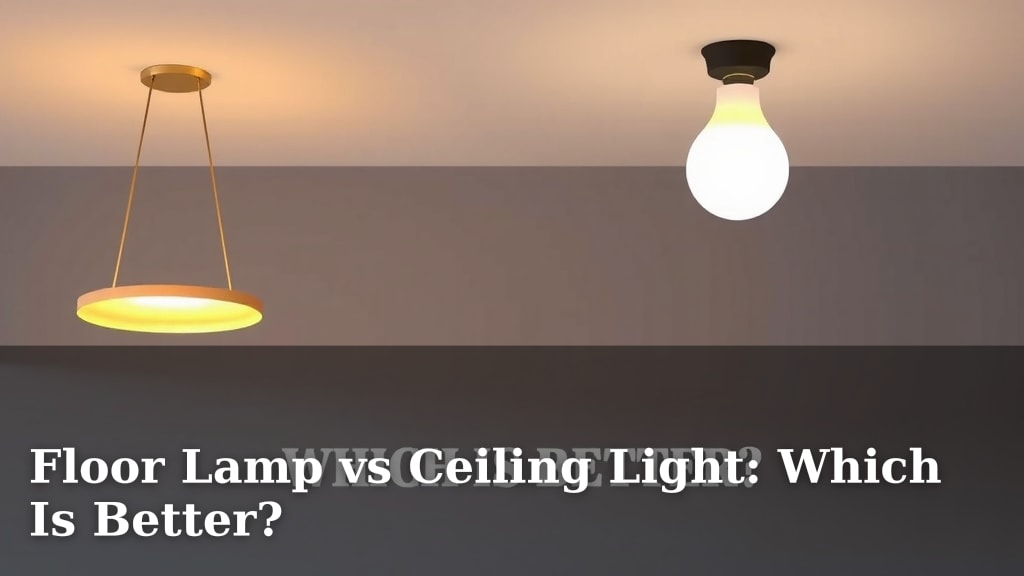
Floor Lamp vs Ceiling Light: Which Is Better?
Choosing between a floor lamp and a ceiling light depends entirely on your room’s needs. Ceiling lights offer broad, ambient illumination, perfect for general lighting. Floor lamps provide focused light for tasks or creating cozy moods. We found that neither is universally “better,” but one often suits your specific lighting goals.
Both lighting types play different roles in your home’s atmosphere. Ceiling lights are foundational, setting the overall brightness. Floor lamps are versatile accent pieces. They can fill dark corners or highlight specific areas. Understanding their strengths helps you design a well-lit and inviting space.
- Ceiling lights: Great for overall room brightness.
- Floor lamps: Ideal for task lighting and mood setting.
- Your room’s size and layout matter.
- Consider the specific purpose for the light.
- Layering both can create balanced lighting.
Let’s dive into the details of each to help you decide which is the right fit for your home.
Floor Lamp vs. Ceiling Light: Making the Right Choice
Deciding between a floor lamp and a ceiling light is a common decorating dilemma. Each offers unique lighting solutions for your home. We’ve researched how these two fixtures can transform your space. Let’s figure out which one, or maybe a combination, is best for you.
Understanding Ceiling Lights: The Foundation of Your Lighting
Ceiling lights are often the primary light source in a room. Think of them as the main stage spotlight. They cast a wide glow. This makes them excellent for general illumination. Many rooms rely on them to light up the entire area evenly. They are great for daily tasks and making a room feel bright.
Types of Ceiling Lights and Their Impact
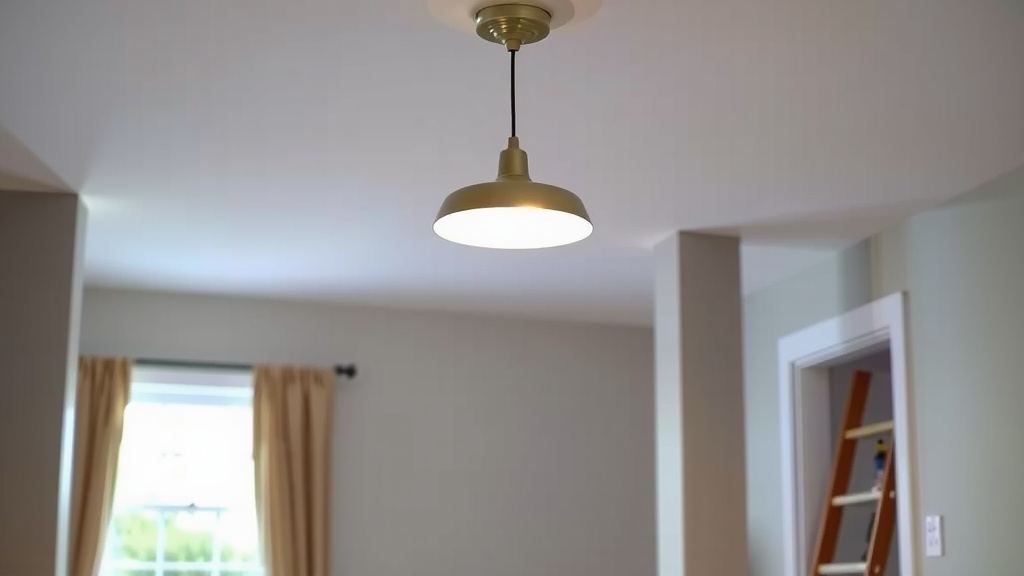
There are several popular types of ceiling lights. Flush mount fixtures sit close to the ceiling. They work well in rooms with lower ceilings. Pendant lights hang down. They add a decorative element and can direct light downwards. Chandeliers are grander. They are often a statement piece. Each type affects the room’s overall feel and light distribution.
When to Choose a Ceiling Light
You should consider a ceiling light when you need broad, ambient lighting. Kitchens, bathrooms, and living rooms often benefit from this. They ensure there are no dark corners. If you want a consistently bright space, a ceiling fixture is key. It sets the foundation for good lighting.
Exploring Floor Lamps: Versatility and Ambiance
Floor lamps are the flexible stars of your lighting plan. They don’t require permanent installation. You can move them around as needed. This makes them incredibly versatile. They can target light where you need it most. They also add a decorative touch to your decor.
The Many Roles of a Floor Lamp
Floor lamps excel at task lighting. Need to read a book in your favorite armchair? A floor lamp beside it is perfect. It shines light directly onto your page. They are also fantastic for creating mood lighting. A dimmable floor lamp can cast a soft glow. This makes a room feel cozy and inviting. They can fill empty corners too.
Task Lighting with Floor Lamps
For reading or hobbies, a torchiere-style floor lamp can bounce light off the ceiling. This provides softer overall light. An arc floor lamp is great for positioning light over a sofa or desk. The key is directing the light where you need it without glare.
Mood Lighting with Floor Lamps
Many floor lamps use upward-facing shades. This creates a warm, diffused light. It’s less harsh than direct overhead lighting. You can easily adjust the mood by dimming the bulb. This type of lighting is ideal for relaxation. It makes a living room feel more comfortable.
When to Choose a Floor Lamp
A floor lamp is a great choice when you need supplemental lighting. Perhaps your ceiling light is too harsh. Or maybe a corner of your room feels dark and uninviting. Floor lamps can fill these gaps. They are also perfect for renters. You can take them with you when you move. They offer flexibility that ceiling lights can’t match.
Comparing Floor Lamps and Ceiling Lights: Key Differences
The main difference lies in their function. Ceiling lights provide general illumination. Floor lamps offer more focused or ambient light. Ceiling lights are usually hardwired. They are a permanent fixture. Floor lamps are portable. You plug them in. This impacts installation and flexibility.
| Feature | Ceiling Light | Floor Lamp |
|---|---|---|
| Primary Use | General room brightness | Task lighting, mood setting |
| Installation | Hardwired, permanent | Plugs into outlet, portable |
| Light Distribution | Wide, even | Focused or diffused |
| Flexibility | Low | High |
| Aesthetic Role | Can be decorative or functional | Often decorative and functional |
Size and Scale Matter
In a large room, a single ceiling light might not be enough. You might need multiple fixtures. Or you’ll definitely need floor lamps to fill in the shadows. A small space can feel cramped with a large, dangling ceiling light. A slim floor lamp might be a better fit. Consider your room’s dimensions carefully.
Creating a Balanced Lighting Scheme
The best lighting design often uses multiple light sources. This is called layering. You can use a ceiling light for the base layer of brightness. Then, add floor lamps for task lighting and ambiance. This approach creates a well-lit and dynamic space. It’s like using different brushes for a painting.
A Checklist for Your Lighting Decision:
- Identify the main purpose for light in the room.
- Assess your room’s size and ceiling height.
- Consider if you need general or focused light.
- Think about your decor style.
- Decide on installation ease (hardwired vs. plug-in).
- Factor in your budget for fixtures and bulbs.
By considering these points, you can make an informed decision. You’ll create a space that is both functional and beautiful.
Conclusion
You’ve seen how floor lamps and ceiling lights serve distinct purposes in your home. Ceiling lights provide essential, widespread illumination. They are the foundation of any well-lit room. Floor lamps offer targeted light and create inviting moods. They are your go-to for flexibility. For the best results, we found that layering both is often the winning strategy. Start by assessing your room’s primary needs, then add the other type to fill in the gaps. Now, take a look at your rooms. Which lighting solution will you implement first?
Frequently Asked Questions
Can I use a floor lamp as my only light source?
While a floor lamp can provide some light, it’s rarely enough as the sole source. We found that most rooms need a general overhead light for overall brightness. A floor lamp is best used to supplement this or for specific tasks and ambiance.
How do I choose the right size floor lamp for my room?
Consider the scale of your room and furniture. A tall, slender lamp can work in a tight corner. A larger, more substantial lamp might be better suited next to a big sofa. We recommend a lamp that complements, rather than overwhelms, your existing decor.
Are ceiling lights always hardwired?
Yes, most ceiling lights are hardwired into your home’s electrical system. This means they require professional installation or some DIY electrical knowledge. Floor lamps, on the other hand, simply plug into a standard wall outlet.
What’s the difference between a flush mount and a pendant ceiling light?
A flush mount fixture sits directly against the ceiling, ideal for rooms with low ceilings. Pendant lights hang down from the ceiling by a cord or chain. We found pendants add a decorative touch and can direct light downwards more effectively.
Can I use both a floor lamp and a ceiling light in the same room?
Absolutely! In fact, using both is highly recommended. Layering light sources creates a more dynamic and functional space. Your ceiling light provides ambient light, while your floor lamp can offer task or accent lighting.
![10 Best Bedside Lamp For Elderly [2026]](https://bestdesklamp.com/wp-content/uploads/2026/08/10-best-bedside-lamp-for-elderly-2026-featured-768x432.jpg)
![10 Best Bulb For Desk Lamp [2026]](https://bestdesklamp.com/wp-content/uploads/2026/08/10-best-bulb-for-desk-lamp-2026-featured-768x432.jpg)
![10 Best Brand Uv Nail Lamp [2026]](https://bestdesklamp.com/wp-content/uploads/2026/08/10-best-brand-uv-nail-lamp-2026-featured-768x432.jpg)