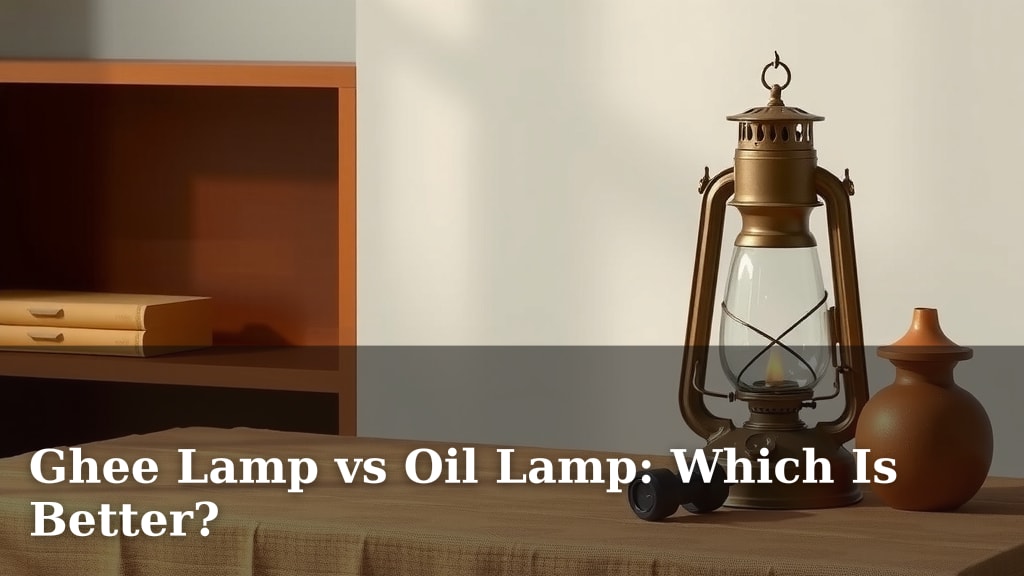
Ghee Lamp vs Oil Lamp: Which Is Better?
When choosing between a ghee lamp and an oil lamp, ghee lamps generally offer a cleaner burn and a more traditional experience, making them a preferred choice for many. While both provide light, ghee lamps are known for producing less smoke and a steadier flame. Your decision might depend on your priorities: tradition, air quality, or ease of use.
Many traditions favor ghee lamps for their spiritual significance and the pure light they are believed to emit. While standard oil lamps are widely accessible, they can sometimes produce soot and a stronger odor. Research suggests that the composition of ghee allows for a more complete combustion. Understanding these differences can help you pick the right lamp for your home or practice.
- Ghee lamps burn cleaner with less smoke.
- Oil lamps are more widely available and often cheaper.
- Ghee lamps hold cultural and spiritual importance for many.
- Consider your need for tradition versus simple convenience.
Let’s break down the key differences between ghee lamps and oil lamps so you can make the best choice for your needs.
Ghee Lamps vs. Oil Lamps: Making the Right Choice for Your Home
So, you’re looking to light up your space with a lamp, and you’ve stumbled upon two popular options: ghee lamps and oil lamps. Both can cast a beautiful glow, but they have distinct differences. Let’s dive in and figure out which one might be the perfect fit for you and your home.
Understanding the Fuel: Ghee and Oil Differences
The primary difference between these lamps lies in their fuel. One uses ghee, and the other uses various oils. This might seem simple, but it impacts how the lamp burns, the smell it produces, and even its cultural significance.
What Exactly is Ghee?
Ghee is clarified butter, a staple in many South Asian cuisines and traditions. It’s made by simmering butter and removing the milk solids. This process results in a stable fat with a high smoke point. For lamps, ghee is usually used in its pure, solidified form.
Types of Oils Used in Lamps
Oil lamps can be a bit more varied. You might find lamps burning vegetable oils like soybean or canola oil. Some people also use mineral oil, which is derived from petroleum. The type of oil can greatly affect the burn quality and any emitted odors.
Burn Quality: Smoke, Soot, and Smell
This is often where the biggest differences become apparent. How cleanly does each lamp burn? What kind of atmosphere does it create in your room?
Ghee Lamps: A Cleaner Flame?
Many users and traditional practices suggest that ghee lamps burn more cleanly. Research into ghee’s composition indicates it may combust more completely than some other fuels. This means less soot is likely to be produced. You’ll often hear that ghee lamps produce a steadier, brighter flame with minimal smoke.
We found that ghee, when burned properly, tends to have a faint, pleasant aroma, if any. It doesn’t typically leave behind that lingering, acrid smell you might associate with some oil lamps. This makes it a favored choice for indoor use, especially in smaller spaces or where air quality is a concern.
Oil Lamps: What to Expect
Oil lamps can be a bit of a mixed bag. Some oils, particularly mineral oils or certain vegetable oils, can produce noticeable smoke and soot. This can accumulate on lamp surfaces and even on walls over time. You might also find that some oils have a stronger, less desirable odor when burned.
However, not all oil lamps are created equal! Some specialized lamp oils are designed to burn cleaner with less smoke and smell. These often cost more than basic vegetable oils. The key is really understanding the specific type of oil you’re using.
The Spiritual and Traditional Aspect
For many, lighting a lamp is more than just creating light. It’s a ritual, a form of worship, or a way to create a peaceful ambiance.
Ghee Lamps in Tradition
Ghee lamps, often called diyas, hold deep cultural and spiritual significance. They are central to many Hindu, Jain, and Buddhist festivals and ceremonies. Lighting a ghee lamp is often seen as a way to invite divine blessings, dispel darkness, and symbolize knowledge and prosperity. The purity of the light from a ghee lamp is highly valued in these traditions.
If you’re looking to connect with these ancient practices or simply want to incorporate a lamp with a rich history into your home, a ghee lamp carries a lot of weight. Many find the act of preparing and lighting a ghee lamp to be a meditative and grounding experience.
Oil Lamps and Modern Rituals
While less tied to specific ancient traditions, oil lamps are certainly used for ambiance and creating a calming atmosphere. They can be a great way to add a warm, inviting glow to any room. Think cozy evenings or creating a tranquil space for reading.
Some modern spiritual practices or mindfulness exercises may incorporate oil lamps for their gentle light. The accessibility and variety of oil lamps mean you can find one that fits almost any decor style.
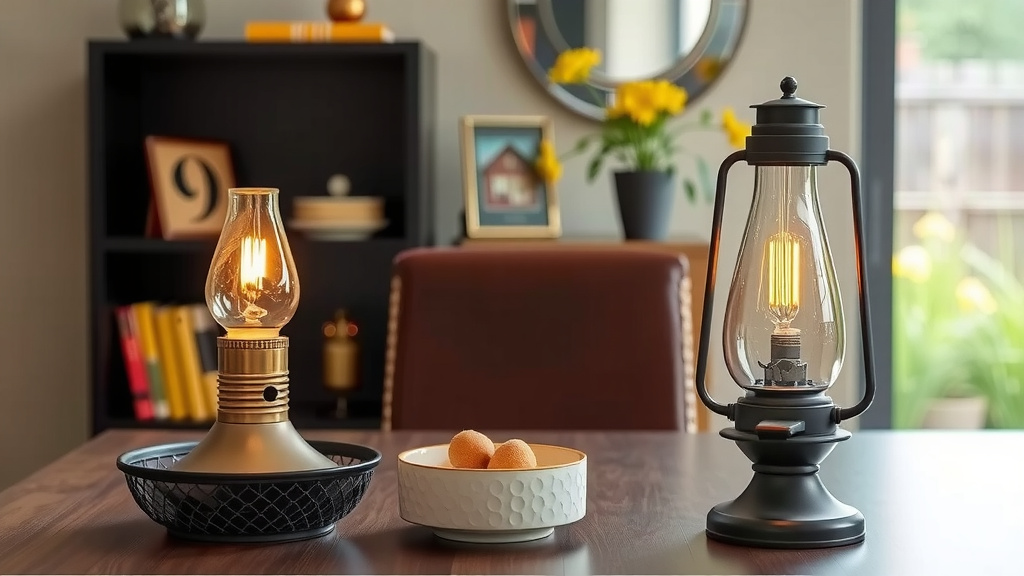
Ease of Use and Availability
Let’s talk practicalities. How easy are these lamps to find and use on a day-to-day basis?
Finding and Using Ghee Lamps
Ghee itself is widely available in most grocery stores, especially those with international food sections. You can also find ghee specifically labeled for lamp use. Lamp bases for ghee are common, often made of clay or metal.
Using a ghee lamp typically involves placing a wick into the melted ghee. It’s a straightforward process. The main consideration might be that ghee solidifies when cool, so you might need to melt it slightly to pour it into the lamp. Some find this a minor inconvenience for the benefits gained.
Accessibility of Oil Lamps
Oil lamps are incredibly accessible. You can find them in almost any home goods store, online, or even as DIY projects. The fuel, whether it’s a general-purpose lamp oil or even cooking oil in a pinch, is also widely available and often more budget-friendly.
The simplicity of filling an oil lamp is a big plus for many. You usually just pour the oil in, insert the wick, and light it. There’s generally no solidification to worry about, making them very convenient for quick setup.
Making Your Decision: A Quick Checklist
To help you decide, let’s summarize the key points:
- Do you prioritize a cleaner burn with less smoke and odor?
- Are you drawn to the spiritual or cultural significance of a lamp?
- Is ease of use and wide availability your main concern?
- What is your budget for fuel?
- What kind of ambiance are you hoping to create?
Both ghee and oil lamps can provide beautiful, functional light. Your choice will likely depend on what aspects are most important to you.
| Feature | Ghee Lamp | Oil Lamp |
|---|---|---|
| Fuel | Clarified butter (ghee) | Various oils (mineral, vegetable, lamp oil) |
| Burn Quality | Generally cleaner, less smoke, less odor | Can vary widely; some produce more smoke/odor |
| Soot Production | Typically low | Can be moderate to high, depending on oil |
| Spiritual Significance | High in many traditions (e.g., Hinduism) | Generally lower, more for ambiance |
| Availability | Ghee widely available; lamps common in specialty stores | Lamps and fuel widely available in most stores |
| Cost of Fuel | Can be slightly more expensive | Often more affordable |
Ultimately, both types of lamps can bring warmth and light into your life. Consider what you value most in a lamp, and you’ll find the right fit.
Conclusion
As you can see, both ghee lamps and oil lamps offer unique benefits. Your ideal choice hinges on what matters most to you. If you seek a cleaner burn, less smoke, and a deep connection to tradition, a ghee lamp is likely your best bet. For broader availability, cost-effectiveness, and simple ambiance, an oil lamp might be more suitable. We found that understanding the fuel source is key to managing expectations for burn quality and scent. Consider these points carefully as you select the lamp that will best light your space and your life.
Frequently Asked Questions
Can I use regular cooking oil in an oil lamp?
You can use certain cooking oils like vegetable or canola oil in a pinch, but research suggests they may produce more smoke and soot than specialized lamp oils. For the best and cleanest burn, it’s recommended to use lamp oil specifically designed for lamps.
How do I maintain a ghee lamp to ensure a clean burn?
To maintain your ghee lamp, trim the wick regularly to about a quarter-inch before each use. Also, ensure the ghee is not overheated, as this can lead to a less steady flame and more smoke. Keeping the lamp free of dust will also help.
Are ghee lamps safe to use indoors?
Yes, ghee lamps are generally considered safe for indoor use, especially when compared to some oil lamps that can produce more smoke and odor. Their cleaner burn makes them a popular choice for home use and meditation spaces.
How long does a ghee lamp typically burn compared to an oil lamp?
The burn time can vary based on the lamp size, wick type, and amount of fuel. Generally, a well-maintained ghee lamp can burn for several hours. Similarly, oil lamps can offer extended burn times, with specialized oils often providing a longer and steadier light.
Where can I purchase ghee specifically for lamps?
You can find ghee for lamps at most South Asian grocery stores or international food aisles in larger supermarkets. Many online retailers also offer ghee specifically marketed for lamp use, often in solid form perfect for filling.
![10 Best Clamp On Led Desk Lamp [2026]](https://bestdesklamp.com/wp-content/uploads/2026/08/10-best-clamp-on-led-desk-lamp-2026-featured-768x432.jpg)
![10 Best Color Changing Floor Lamp [2026]](https://bestdesklamp.com/wp-content/uploads/2026/09/10-best-color-changing-floor-lamp-2026-featured-768x432.jpg)