How Long Does It Take for a Lava Lamp to Flow? Timing Guide
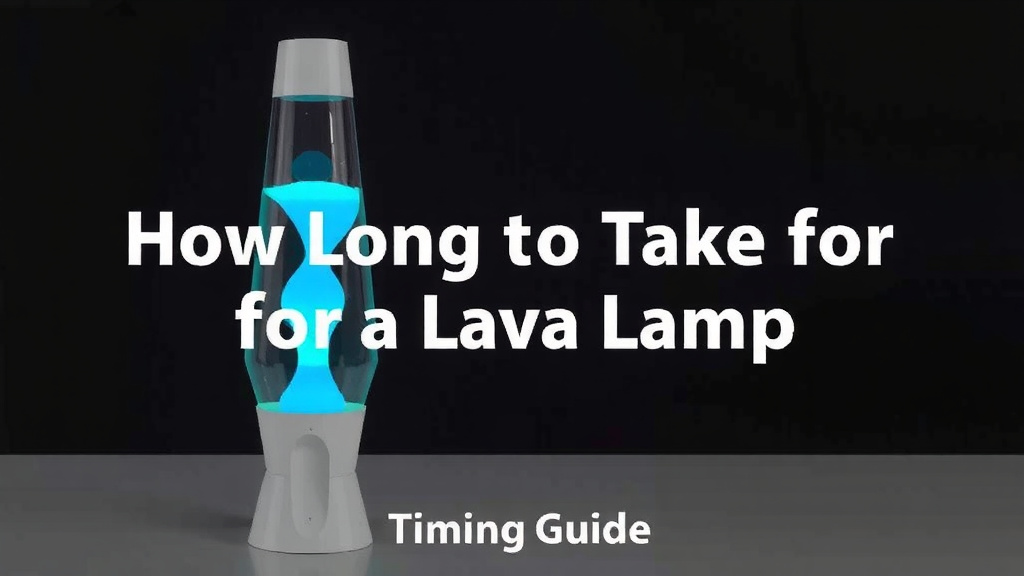
A new lava lamp usually takes two to three hours to start flowing properly. Once it’s warmed up, the wax inside will rise and fall in smooth, gloopy blobs for as long as the lamp stays on. So if you just plugged yours in and it looks like a sad wax brick at the bottom — don’t panic. That’s normal.
We researched this topic and found that heat-up time is the number one thing that trips people up. Some lamps take as long as four hours on a cold day, while a small lamp on a warm shelf might start moving in under two hours. Room temperature, bulb size, and lamp height all play a part. Ever noticed your lamp moves faster in summer? That’s why.
- Most lava lamps take 2 to 3 hours to flow fully.
- First-time use can take even longer — sometimes up to 4 hours.
- Cold rooms slow things down; warm rooms speed things up.
- The wax may look stiff at first, but it will melt with patience.
- Never shake or tip the lamp to speed things up — it can cloud the wax.
Below, we break down everything that affects your lamp’s flow time, plus a few easy tricks to help it move faster. Let’s get that wax dancing.
Typical Heat-Up Times for Lava Lamps
Most standard lava lamps need two to three hours to reach full flow. We found that timing depends mostly on lamp size. A classic 16-inch lamp takes longer than a 10-inch tabletop model, simply because there’s more wax to melt.
Think of it like preheating an oven. The bulb has to warm the liquid, the liquid warms the wax, and only then do you get those dreamy blobs. Rush it, and you’ll just stare at a motionless lump.
| Lamp Size | Average Heat-Up Time |
|---|---|
| 10–11 inches (tabletop) | 1.5 to 2.5 hours |
| 14–16 inches (classic) | 2 to 3 hours |
| 17 inches or taller | 3 to 4 hours |
What Affects How Fast Your Lamp Warms Up
Several factors speed things up or slow them down. We found that room temperature matters more than anything else. A lamp in a 72-degree room flows noticeably faster than one in a chilly basement.
- Bulb wattage: the correct bulb heats at the intended rate. The wrong bulb barely works at all.
- Room temperature: colder rooms can add an extra hour.
- Drafts: fans and AC vents pull heat away from the glass.
- Lamp placement: a warm shelf beats a cold windowsill every time.
The Bulb Makes All the Difference
Using the wrong bulb is the most common mistake we found. A bulb that’s too weak never melts the wax. One that’s too strong overheats the lamp, making the wax rise and never come back down.
Check the base of your lamp for the recommended wattage, usually printed right on the sticker. Many experts say matching the exact bulb type is the single easiest fix for slow lamps.
Room Temperature and Placement
Your lamp wants a cozy spot. Keep it away from air conditioners, open windows, and direct sunlight. Sunlight sounds helpful, but it heats one side of the glass unevenly, which throws off the flow.
Ideal placement is a stable surface, out of drafts, at normal room temperature. That’s it. No fancy tricks needed.
First-Time Use vs. Regular Use
A brand-new lamp takes the longest. We found that first runs can take up to four hours, because the wax has settled into a solid block during shipping and storage.
After a few full cycles, the wax “learns” its rhythm. Regular users often report faster, smoother flows once the lamp has been run five or six times. Be patient with a new lamp — it’s finding its groove.
Why the Wax Sits Like a Brick at First
The wax is a special blend that’s denser than the liquid when cold. It must melt and expand before it becomes buoyant enough to rise. Until that happens, it just sits there looking stubborn.
Many lava lamp guides compare it to butter in a hot pan. Solid one minute, loose and flowing the next — but only after enough heat builds up.
Signs Your Lamp Is Starting to Flow
Watch for these early cues. They tell you the warm-up is on track:
- A soft glow at the bottom where the wax meets the bulb.
- The wax block looks slightly glossy instead of matte.
- One small tower or bump starts lifting off the base.
- Thin strands begin stretching toward the top.
- Full, round blobs form within the next 30 to 60 minutes.
If you see the glow but no movement after three hours, don’t worry yet. Some lamps are just slow starters.
Why You Should Never Shake or Stir the Lamp
We can’t say this enough: never shake, tip, or stir your lava lamp. Shaking breaks the wax into tiny suspended particles that never re-form into clean blobs. Once clouded, the lamp often looks foggy forever.
Manufacturers like Mathmos and Lava Labs state this clearly in their care instructions. If your lamp got shaken by accident, let it rest and run a full warm cycle. It may partially recover, but patience is your only tool here.
Can You Make a Lava Lamp Flow Faster?
Sort of — but only gently. There’s no safe shortcut that cuts heat-up time in half. Still, a few habits help you hit the faster end of the range:
Quick Checklist for a Speedier Warm-Up
- Use the exact bulb wattage listed on your lamp.
- Run the lamp in a room that’s at least 68 degrees.
- Keep it away from drafts, fans, and AC vents.
- Turn it on before you need it — let it warm while you do other things.
- Leave it running in 6 to 8 hour sessions so the wax stays conditioned.
- Give a new lamp several full cycles before judging its speed.
Notice what’s missing from that list? Shaking, hair dryers, and hot water baths. All of them risk cracking the glass or ruining the wax.
How Long Can You Safely Leave It Running?
Once flowing, a lava lamp can run for hours, but we found most manufacturers recommend six to ten hours max. Running it longer can overheat the wax, causing it to clump at the top or bottom and lose its flow pattern.
A simple rule: turn it on when you get home, turn it off before bed. That gives you a full evening of flowing wax and plenty of cool-down time. Speaking of which — the wax also needs about two hours to solidify fully before you turn the lamp back on.
When Slow Flow Means Something Is Wrong
If your lamp still hasn’t moved after four hours, something’s off. The most likely culprits, in order:
Troubleshooting a Lamp That Won’t Flow
First, check the bulb. Swap in a fresh bulb of the correct wattage and see if the lamp warms up evenly. A burnt or dim bulb is the number one cause we found of lamps that never flow.
Second, check the coil spring at the bottom of the glass. It helps break surface tension so wax can rise. If it’s missing or shifted, the wax may stay stuck despite being fully melted.
Third, consider the room. A garage in January is no place for a lava lamp. Move it somewhere warm and give it another full cycle.
Wax Stuck at the Top Instead?
Wax that rises and never falls means the lamp is too hot. Turn it off, let it cool completely, and swap to a lower-wattage bulb if your model allows it. Overheating flattens the temperature difference that makes the wax cycle up and down.
The Bottom Line on Warm-Up Time
Give your lamp two to three hours, keep the room warm, and use the right bulb. That’s the whole formula. Lava lamps reward patience — the slow warm-up is exactly what makes the flow so relaxing once it starts.
Conclusion
A lava lamp isn’t broken just because it’s slow. We found that two to three hours is the honest answer for most lamps, with new ones taking up to four. Give yours the right bulb, a warm draft-free spot, and a little patience, and the wax will find its rhythm. Resist the urge to shake it — that’s the one mistake that can ruin a lamp for good. Your next step is simple: plug it in now, set a timer for two hours, and go enjoy something else. By the time you check back, you should see those first lazy blobs starting to rise.
Frequently Asked Questions
Can I leave my lava lamp on overnight?
We’d advise against it. Most manufacturers recommend a maximum of six to ten hours per session, and overnight runs can overheat the wax and throw off its flow pattern. Turn it off before bed and let it cool fully before the next cycle.
Why is my lava lamp staying in one big blob at the bottom?
That usually means the wax hasn’t melted enough yet, especially in the first few hours or on a new lamp. Check that the bulb matches the recommended wattage and that the room isn’t too cold. Give it another hour before troubleshooting anything else.
Does a lava lamp use a lot of electricity while warming up?
No — the bulb is small, typically between 25 and 40 watts. Running a lava lamp for a full evening costs roughly the same as keeping a nightlight on. The warm-up period doesn’t use any extra power beyond what the bulb normally draws.
Can I use a higher wattage bulb to make the wax flow faster?
You shouldn’t. A stronger bulb overheats the lamp, which can push the wax to the top and keep it there permanently. Stick with the exact wattage printed on your lamp’s base — it’s calibrated for the wax blend inside.
How often should I run my lava lamp to keep the wax in good shape?
We found that regular sessions of six to eight hours a few times a week keep the wax conditioned and flowing smoothly. Lamps that sit unused for months often get sluggish and need several full cycles to loosen up again.