How Long Does a Lava Lamp Take to Start Moving? Explained
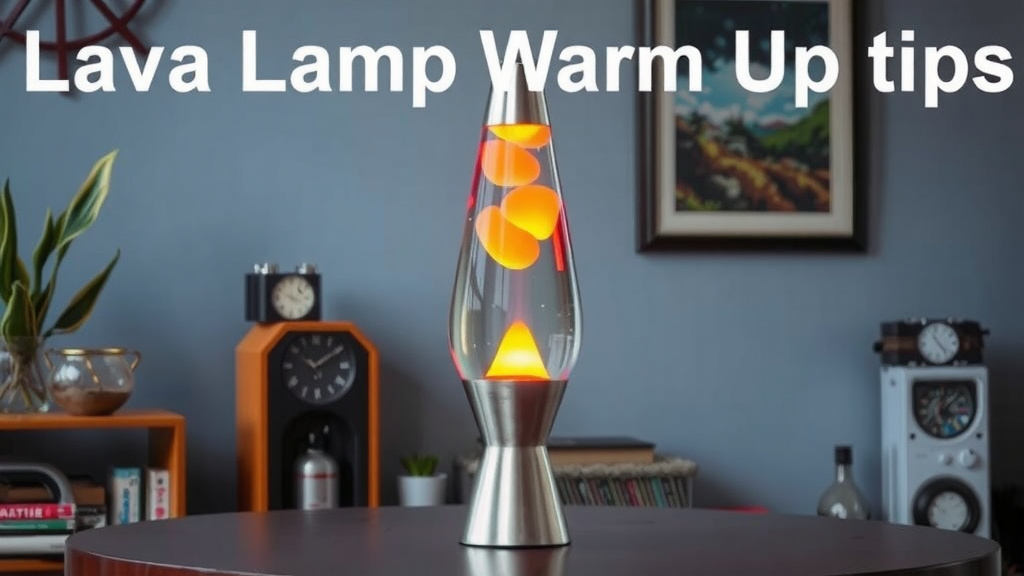
Most lava lamps take one to three hours to start moving properly after you turn them on. The wax needs time to warm up and soften before it can rise and fall. So if yours looks frozen, don’t panic — that’s totally normal.
Why so long? Lava lamps work by gentle heat from the bulb at the bottom melting the wax blend inside. New lamps, cold rooms, and even a slightly loose bulb cap can make the wait longer. We researched the most common causes so you don’t have to guess.
Quick answers you’ll find below:
- The typical warm-up time is 1 to 3 hours, and up to 4 for brand-new lamps.
- Cold rooms and small bulbs are the top reasons your lamp moves slowly.
- New lava lamps often need a few runs before the wax flows smoothly.
- There’s a safe “break-in” trick that helps speed things up.
- Signs of a real problem (like cloudy liquid) and how to fix them.
Below, we break down everything you need to know about lava lamp warm-up times, plus easy fixes if yours seems stuck. Let’s get that wax flowing.
Lava Lamp Warm-Up Times: What to Expect
A standard lava lamp needs 1 to 3 hours of warm-up before the wax starts flowing. We found that most first-time owners think their lamp is broken during this window. It isn’t. Think of it like preheating an oven — you wouldn’t expect cookies after two minutes.
The wax blend inside is designed to melt slowly. That’s on purpose. A fast-melting lamp would look like soup, not lava.
Average Time by Lamp Size
Not all lamps heat at the same pace. Bigger lamps hold more wax, so they take longer. Here’s a quick breakdown we put together based on manufacturer guidance and owner reports.
| Lamp Size | Typical Warm-Up | Notes |
|---|---|---|
| Mini (under 12 inches) | 30–60 minutes | Great for impatient folks |
| Classic 14–16 inch | 1–3 hours | The most common style |
| Grande (27 inches) | 2–4 hours | Bring a book |
Why the Wax Takes So Long to Move
Inside your lamp sits a special wax blend that’s slightly denser than the surrounding liquid when cool. The bulb heats the wax from below. As it warms, it expands and becomes lighter than the liquid — that’s when it rises.
Many experts say this density flip only happens in a narrow temperature range. So the whole lamp has to reach a steady warmth before anything moves. No shortcuts, unfortunately.
Factors That Slow Down Your Lamp
Several things can stretch that wait time from one hour to half a day. The good news? Most are easy to fix.
Room Temperature Matters More Than You Think
A cold room is the number one culprit we found. If your space sits below 68°F (20°C), the wax has extra work to do before it softens. Some owners in chilly basements wait four hours or more.
Keep the lamp away from drafts, air conditioners, and open windows. A cozy spot speeds things up.
Bulb Size and Wattage
Using the wrong bulb is a sneaky problem. Too weak, and the wax never fully softens. Too strong, and the liquid can get cloudy or the wax can clump at the bottom permanently.
- Check the base label for the recommended wattage.
- Stick with incandescent bulbs — LEDs don’t give off enough heat.
- Replace bulbs that have dimmed with age.
- Make sure the bulb is screwed in snugly, not loose.
- Never swap in a higher wattage “to speed things up.” It won’t help.
A Brand-New Lamp Needs a Break-In Period
Fresh out of the box, the wax inside is often settled into a hard, solid blob. Manufacturers typically suggest running a new lamp through several full cycles before the wax flows the way it should.
Some owners notice their first session takes up to four hours. Don’t worry — each run gets a little better. Patience here pays off for years.
How to Help Your Lamp Warm Up Faster (Safely)
You can’t rush physics, but you can remove the obstacles. Here’s a quick checklist we found that covers the essentials:
- Place the lamp in a room that’s at least 68°F.
- Use the exact bulb wattage listed on the base.
- Set the lamp on a hard surface, not thick carpet.
- Keep it away from windows and cooling vents.
- Run it for a full cycle before judging the flow.
- Give new lamps two or three sessions to “learn” their rhythm.
One thing you should never do: use a hairdryer, heat gun, or microwave. Rapid heating can crack the glass and ruin the wax blend. Warm water baths aren’t recommended either — sudden temperature swings stress the glass.
The Gentle Shake Myth
Some folks online suggest tilting or swirling the lamp to “wake up” the wax. We found this usually makes things worse. You can create a big floating clump that takes hours to settle again. Let the bulb do its job.
When Slow Movement Means Something’s Wrong
Most sluggish lamps are just cold or new. But a few signs point to a real issue. Our guide to troubleshooting a lava lamp that might be broken walks through each of these warning signs.
Warning Signs to Watch For
If you notice any of the following, it’s time to look closer:
- Cloudy liquid — often caused by overheating or shaking the lamp.
- Wax stuck at the bottom after 6+ hours of warmth.
- Wax stuck at the top, refusing to sink back down.
- A bulb that burns out quickly or flickers.
- The lamp feels scorching hot to the touch, not just warm.
Overheating is the main enemy here. Leaving a lava lamp on for more than 8 to 10 hours at a stretch can degrade the wax and cloud the liquid. Many experts recommend limiting runs to a normal evening’s length, then letting it cool fully before restarting.
Fixing an Overheated Lamp
If your wax has turned into one giant blob or the liquid looks milky, turn the lamp off and let it rest for a full day. Then run it in shorter sessions. Some lamps recover after a few gentle cycles. Some don’t — and at that point, replacement liquid or a new lamp may be the honest answer. For step-by-step help with cloudy liquid or stubborn wax, see our guide on how to fix a lava lamp.
Setting Realistic Expectations for Flow
Once moving, a healthy lava lamp forms slow, lazy blobs — not fast churning action. We found that many new owners expect dramatic movement right away. Real lava lamps are more like honey dripping than popcorn popping.
If your wax takes 5 to 10 minutes to complete a full rise and fall, that’s actually ideal. Fast movement means it’s too hot. No movement means it’s too cool. You’re aiming for the sleepy middle ground.
So next time your lamp sits there like a frozen sculpture, take a breath. It’s warming up exactly as designed. Give it an hour or three, keep the room comfy, and the show will start.
Conclusion
Waiting for your lava lamp to wake up can feel like watching a kettle that never boils. But now you know the truth: one to three hours is normal, and new lamps can take even longer on their first run. Keep your room above 68°F, use the right bulb, and resist the urge to shake or heat things manually. Slow and steady is exactly how these lamps are built to work.
Your next step is simple: check the wattage label on your base, set your lamp in a warm spot away from drafts, and let it run a full evening. Then sit back and enjoy the show.
Frequently Asked Questions
Can I leave my lava lamp on overnight?
We don’t recommend it. Running a lamp longer than 8 to 10 hours can overheat the wax and cloud the liquid over time. Turn it off before bed and let it cool completely before the next session.
Does a lava lamp use a lot of electricity while warming up?
Not really. Most lava lamps use a bulb between 25 and 40 watts, which costs only a few cents per hour. Even a three-hour warm-up barely moves your electric bill.
Why is my wax sitting at the top and won’t come down?
That usually means the lamp has run too long and the wax got too hot to sink. Turn it off, let it cool for several hours, and restart with shorter sessions. If it keeps happening, your bulb may be slightly too powerful.
Is it safe to touch or move my lava lamp while it’s on?
You should never move a warm lava lamp. The glass gets hot, and shifting the liquid while warm can cause the wax to break apart into tiny blobs. Wait until it’s fully cooled before relocating it.
Do lava lamps wear out over time?
They can. Years of heat cycles may cause the wax to lose its smooth flow or the liquid to discolor. Good habits — proper bulbs, limited run times, and full cool-downs — help your lamp last much longer.