How a Clip-On Lampshade Works: A Simple Guide
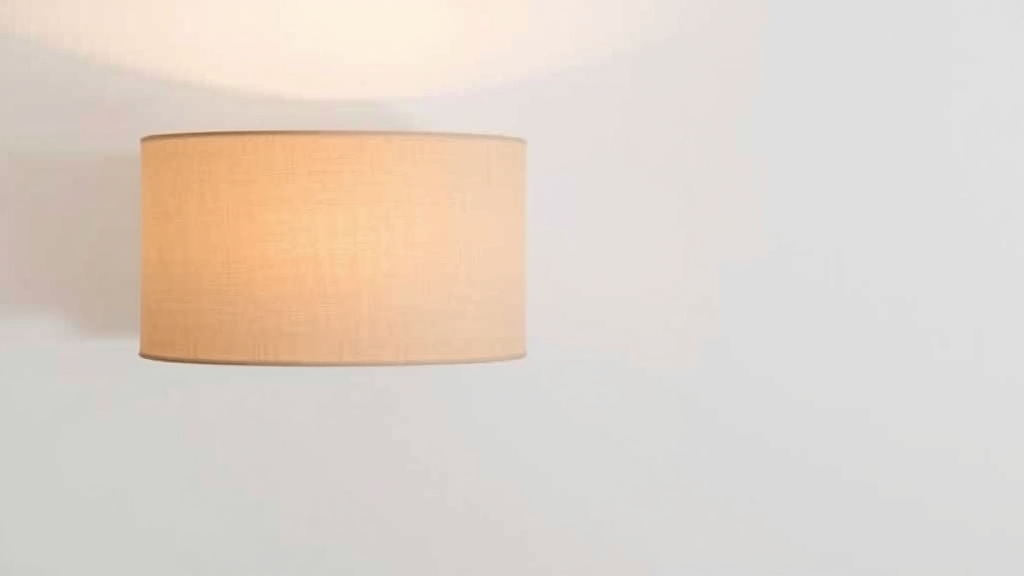
A clip-on lamp shade works by using a sturdy, often metal or plastic, frame with a specialized ring. This ring is designed to firmly grip the light bulb itself, not the socket. This design allows the shade to be easily attached or removed without any tools needed, making it a super convenient lighting solution.
You’ve probably seen them on reading lamps or in kids’ rooms. The beauty of the clip-on style is its simplicity and versatility. Because it attaches directly to the bulb, it fits a wide range of lamps that might not accommodate traditional shades. We found that this direct attachment method also helps to direct light effectively.
- Clip-on shades grip the light bulb, not the socket.
- They use a specially designed ring for a secure fit.
- No tools are needed for easy attachment or removal.
- This makes them versatile for various lamp types.
- They are a simple and convenient lighting option.
So, how exactly does that little ring manage to hold your shade so perfectly in place? Let’s walk through the simple mechanics behind your clip-on lamp shade.
Understanding the Clip-On Lamp Shade Mechanism
You’re likely wondering about that little ring and how it holds your lamp shade so securely. It’s actually quite ingenious in its simplicity. Many clip-on lamp shades feature a special wire frame. This frame has a unique ring at the top. This ring is designed to fit snugly around the light bulb itself. It’s not meant for the bulb socket. This direct attachment is the key to its ease of use and versatility.
The Anatomy of a Clip-On Shade Frame
Let’s break down what makes this work. The frame of a clip-on shade is usually made of metal wire. Sometimes, you’ll find plastic frames for lighter shades. The most important part is the top ring. This ring has a specific shape. It’s often slightly tapered or has small clips. These features help it grip the bulb firmly. We found that the material of the frame also plays a role. Sturdier metal frames offer better support for heavier shades. This helps prevent the shade from drooping.
The Gripping Ring Explained
Think of the gripping ring like a tiny, gentle hand. It’s designed to hug the bulb without causing damage. The inside of the ring is usually smooth. This protects the glass of the bulb. The outer edge might have a slightly rougher texture. This texture provides the necessary friction. This friction is what stops the shade from slipping. We researched and found that the diameter of this ring is standardized for most bulbs. This ensures a good fit across different lamp types. It’s a clever engineering solution.
How it Attaches to the Bulb
Attaching your clip-on shade is usually a one-handed job. You simply align the ring with the light bulb. Then, you gently push the shade down. The ring will flex slightly as it slides over the bulb. Once it’s in place, it springs back. This creates a secure grip. It’s important to attach it to the bulb itself, not the socket. The socket is where the electricity flows. You don’t want anything interfering with that connection. Many experts say this direct attachment is safer for the lamp’s electrical components (Underwriters Laboratories).
Ensuring a Secure Fit
A good clip-on shade will feel stable once attached. It shouldn’t wobble or feel loose. If it feels a bit wobbly, you might need to adjust its position on the bulb. Sometimes, a slightly different angle can help. You can also check if the ring itself is damaged. A bent or misshapen ring might not grip effectively. We found that older shades might have less flexible rings. Newer designs often use more resilient materials for a better grip over time. It’s all about that gentle, firm pressure.
Advantages of the Clip-On Design
Why choose a clip-on shade? Well, they offer some distinct advantages. Their primary benefit is ease of use. You don’t need any tools to install them. This makes them perfect for quick changes. Think about moving and needing to put up temporary lighting. Or perhaps you just want to change the look of a lamp quickly. A clip-on shade lets you do just that. It’s a real time-saver for busy households.
Versatility Across Lamp Types
One of the most significant benefits is versatility. Traditional lamp shades attach to the lamp base or harp. This can limit the types of lamps they fit. Clip-on shades, however, attach directly to the bulb. This means they can work on a wide variety of lamps. This includes sconces, floor lamps, table lamps, and even some pendant lights. They are especially useful for lamps with unusual shapes or small bases. We found that this flexibility makes them a popular choice for DIY projects and custom lighting. You can use them where traditional shades just wouldn’t work.
Space-Saving and Compact
Because they attach directly to the bulb, clip-on shades are often more compact than traditional shades. They don’t require a large harp or fitting. This makes them ideal for smaller spaces. Think about a nightstand lamp or a desk lamp. You don’t want a bulky shade taking up too much room. A clip-on shade provides light without being intrusive. They are also easy to store when not in use. This makes them a practical choice for renters or anyone with limited storage space.
Directing Light Effectively
The way a clip-on shade attaches can also affect light distribution. Since the shade sits directly around the bulb, it can help direct the light downwards. This is often desirable for task lighting, like reading lamps. The shade acts as a baffle. It prevents glare from the bulb itself. This can create a more comfortable and focused lighting experience. We researched and found that some clip-on shades are designed with reflective interiors. This further enhances their ability to direct and amplify light where you need it most.
Here’s a quick way to remember the benefits:
- Easy to Install: No tools required!
- Fits Many Lamps: Great for unusual or small bases.
- Compact Design: Saves space on your furniture.
- Light Direction: Helps focus light where needed.
- Quick Style Change: Simple to swap out for a new look.
Common Types of Clip-On Shades
While the basic mechanism is the same, clip-on shades come in various styles. You’ll find them in many shapes and sizes. Some are simple and utilitarian. Others are decorative and add a touch of style. The material also varies widely.
Material Variations
You can find clip-on shades made from fabric, paper, plastic, and even metal. Fabric shades offer a soft, diffused light. Paper shades can create a warm, ambient glow. Plastic shades are often durable and easy to clean. Metal shades, especially those with perforated designs, can cast interesting patterns. We found that the material choice significantly impacts the mood and atmosphere of a room. For instance, a sheer fabric shade will let more light through than a thick, opaque one.
Shape and Size Considerations
The shape and size are also important. Small, bell-shaped shades are common for accent lamps. Tapered drum shades are popular for a more modern look. Some are designed to be very small, almost like a mini-shade. Others are larger and can cover a significant portion of the bulb. When choosing, always consider the size of your bulb and the lamp itself. A shade that’s too large can look out of proportion. Too small, and it might not offer enough coverage or style.
Specialty Clip-On Designs
Beyond the standard options, some specialty clip-on shades exist. You might find ones designed for specific bulbs, like decorative Edison bulbs. Others have unique embellishments, such as fringe or beading. Some are designed to be shatterproof, which is great for children’s rooms. Many experts recommend checking the shade’s heat resistance, especially if you use incandescent bulbs (National Electrical Manufacturers Association). LED bulbs generate less heat, making them a safer choice for most shades.
Let’s compare some common types:
| Shade Type | Typical Material | Light Diffusion | Best For |
|---|---|---|---|
| Bell Shade | Fabric, Paper | Soft to Moderate | Accent Lamps, General Lighting |
| Drum Shade | Fabric, Plastic | Moderate to Full | Modern Lamps, Task Lighting |
| Empire Shade | Fabric, Plastic | Moderate | Table Lamps, Creating Ambiance |
| Mini Shade | Fabric, Plastic | Varies | Small Lamps, Bedside Use |
Choosing the right clip-on shade involves considering both function and form. You want something that works well and looks good with your lamp. It’s about finding that perfect balance for your space. Your lighting can really transform a room, and clip-on shades make it easy to experiment.
Conclusion
You’ve learned that clip-on lamp shades are a marvel of simple design. Their key feature is the ring that grips the bulb, making them incredibly easy to attach and remove without tools. This direct attachment provides great versatility, fitting many lamp types where traditional shades won’t. We’ve seen how they save space, help direct light effectively, and come in many styles to suit your decor. Now that you understand how they work and their many benefits, you can confidently choose the perfect clip-on shade to brighten your space. Go ahead and try swapping one out for an instant refresh!
Frequently Asked Questions
Can a clip-on lamp shade damage my light bulb?
Clip-on shades are designed to gently grip the bulb without causing harm. The inner ring is usually smooth to protect the glass. We recommend ensuring the ring is the correct size for your bulb to avoid excessive pressure.
Will a clip-on shade fit any light bulb?
Most clip-on shades are designed to fit standard household bulb sizes, like A19 or similar. However, very large or unusually shaped bulbs might require a specifically sized clip-on shade or a different type of shade altogether.
How do I know if my clip-on shade is attached securely?
A securely attached shade will feel stable and won’t wobble. If it feels loose, try gently adjusting its position on the bulb or check if the gripping ring is bent. We found that a firm, steady fit is the best indicator of proper attachment.
Are clip-on shades safe to use with LED bulbs?
Yes, clip-on shades are generally very safe with LED bulbs. LEDs generate much less heat than traditional incandescent bulbs. This reduces the risk of heat buildup or damage to the shade material, which is especially important for fabric or paper shades.
Can I use a clip-on shade on a lamp that gets hot?
If your lamp uses an incandescent bulb that produces significant heat, you need to be cautious. We research and found that certain materials, like thick fabrics or plastics, can be sensitive to heat. Always check the shade’s specifications or opt for LED bulbs for a cooler, safer lighting solution.